

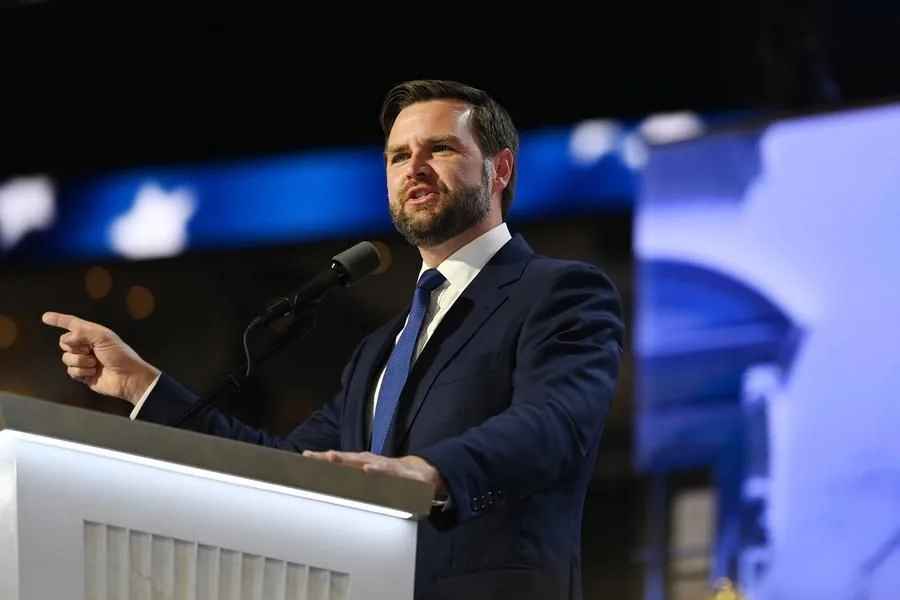
Negotiations between the United States and Iran in Doha are moving forward positively, according to US Vice President JD Vance. Discussions involve American, Iranian, and Qatari officials, focusing on maintaining regional stability and addressing concerns raised by recent US military actions against Iranian targets.
While the talks are still in their early stages, Vance highlighted the importance of safeguarding commercial shipping routes through the Gulf, a critical factor for global energy markets. He noted encouraging signs such as a drop in oil prices and declining gas costs, linking these trends to stabilizing trade flows in the area.

Despite the emphasis on diplomacy, Vance underlined that the Trump administration continues to keep military options on the table. Any attempt by Iran to restart its nuclear program or to threaten commercial vessels would prompt a decisive response. Vance clarified that President Trump remains committed to avoiding military engagement unless there is a "clearly defined purpose," but warned that Iran’s actions would change the US approach.
The administration’s diplomatic efforts aim to negotiate from a position of strength, with authorization to pursue agreements in good faith. Vance suggested that within Iran’s government, there is growing support for improved ties with the West and Gulf neighbors, although a faction remains resistant to change. This division inside Tehran fuels cautious optimism from Washington about the prospects for a diplomatic breakthrough.
However, the US remains vigilant. Any Iranian refusal to allow international inspections or attempts to restart sensitive nuclear activities would trigger significant consequences. Vance emphasized that President Trump "still has a lot of options on the table" to respond to such provocations.