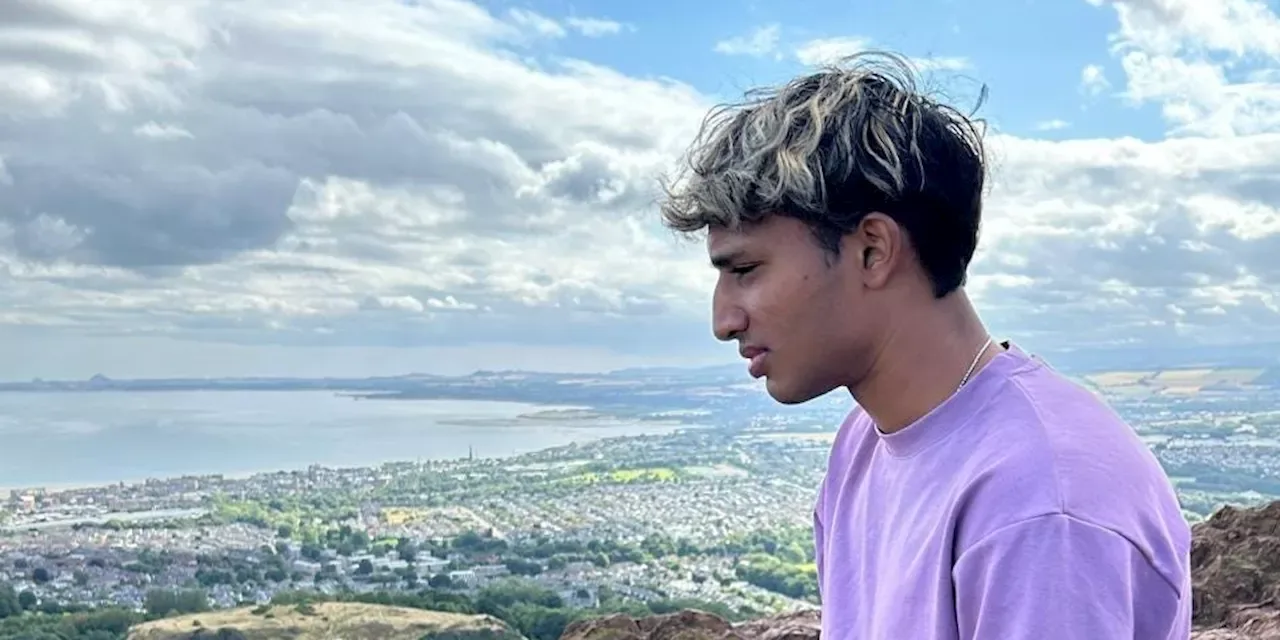
William Harper, a final-year student at a Dubai high school, was celebrating his father's birthday at a staycation in a historic port city north of the emirate when streaks of light lit up the sky above them. From their table, he watched missile interceptions arc across the night sky—flashes and trails that left no visible impact on the ground. Staff at the venue asked guests to remain calm.
Harper's family had already planned to leave Dubai that morning when they heard the first explosions. Uncertain whether roads might close or how events would unfold, they proceeded with their staycation anyway. The initial experience was not frightening, Harper said, because there was no visible damage or strikes landing nearby. However, on subsequent days, the explosions were loud enough to shake his house. The phone alerts—sudden, loud alarms warning of potential strikes—added to the intensity. It was the power of the interceptions themselves, rather than any direct threat, that felt genuinely frightening.

What struck Harper most was the disconnect between international coverage and what he witnessed on the ground. Media portrayals suggested Dubai had become unsafe overnight and that residents were panicking. This was not his experience. His family felt safe, and daily life largely continued as normal.
The real disruption came from schools. Harper is studying A-levels—the main qualification UK students pursue before university—in math, economics, and politics. His class had finished learning course content and entered revision when the situation unfolded. Schools announced a short delay initially, but the postponement kept extending. Eventually, A-level and IGCSE exams were canceled nationwide. Different exam boards had to determine how to grade students without final exams. Harper said he felt relieved by the cancellation, having worked toward the exams but always harboring uncertainty about readiness.
His younger brother's exams were also canceled, though his piano lessons continued uninterrupted. Graduation and prom events are still expected to proceed as planned.
At home, circumstances varied by profession. Harper's father, who works in media, continued going to work as usual. His mother, employed in banking, had to remain home for a period because the financial district was considered a potential target. She has since returned to work.
Most of Harper's friends and their families remained in Dubai, though some departed temporarily for previously planned holidays and later returned. A few left permanently. Once international contacts realized the situation had stabilized, check-in messages from abroad subsided, though many were more curious about his canceled exams than the security situation itself.
Looking forward, Harper hopes to attend the University of Warwick in England if his grades permit. Regarding his career, he said he would consider working in Dubai, describing it as business-friendly and safe, though job opportunities will ultimately determine his choice.