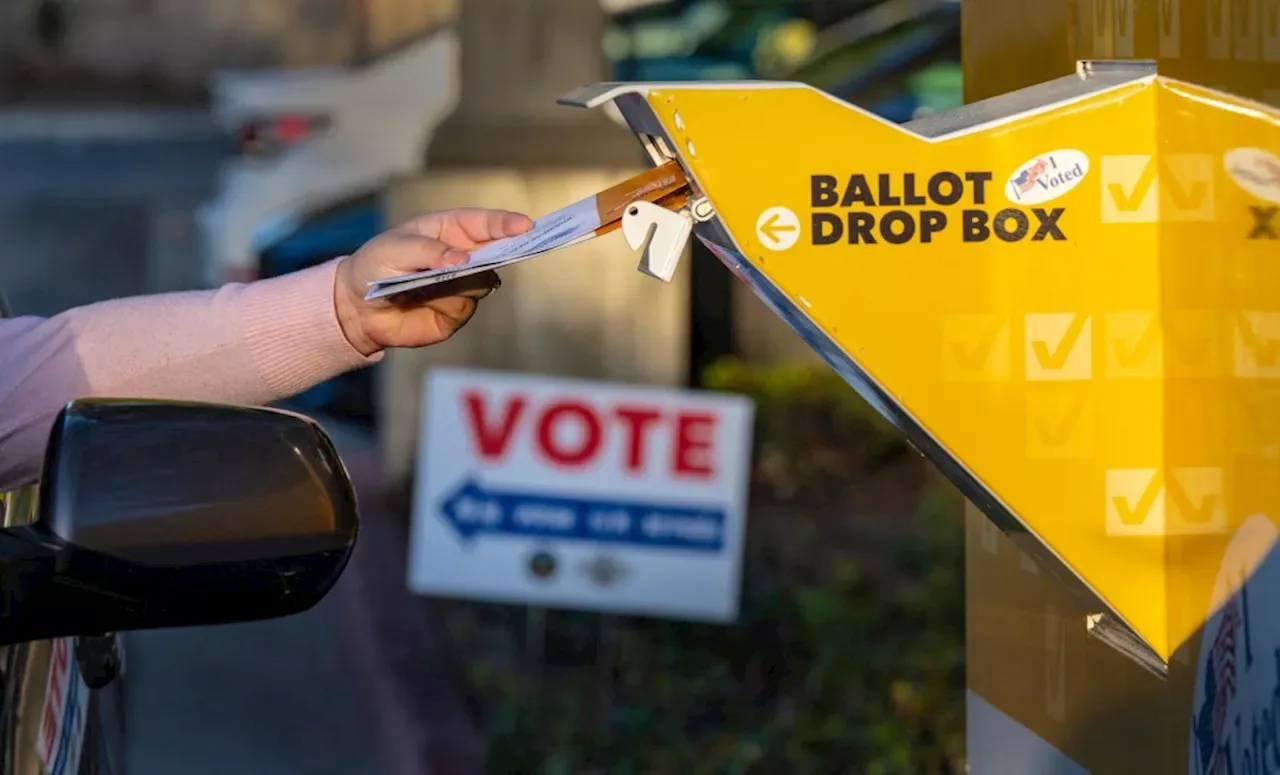
Don J. Grundmann, one of 61 candidates on California's primary ballot, submitted a statement for the official voter information guide that promoted conspiracy theories linking Israel to the murder of conservative activist Charlie Kirk and to the September 11 terrorist attacks. The statement was published online and in print materials mailed to millions of voters, alongside a disclaimer that the views expressed did not represent the Secretary of State's office.
Under current California law, candidates who agree to voluntary spending limits—approximately $11.7 million in the gubernatorial primary—may purchase space in the state's official voter guide to submit statements of up to 250 words about their personal background and qualifications. Candidates who reject the spending limit cannot purchase such space. The law requires that candidate statements not reference opponents and remain limited to recitations of the candidate's own background and qualifications.

The Secretary of State's office stated that legal professionals review candidate statements for compliance with law, and that the office is bound to operate within existing legislation. A press statement attributed to Secretary of State Shirley Weber's team noted that no challenges were raised during the review process. The office did not clarify whether the printed guide would be reprinted or if Grundmann's statement would be removed from online versions.
Assemblymember Jesse Gabriel, chair of the legislative Jewish caucus, denounced the inclusion of the statement as dangerous and offensive. "This is antithetical to California's proud tradition of standing up to hate," Gabriel said. Assemblymember Gail Pellerin, who chairs the Assembly Elections Committee, pledged to advance legislation ensuring such content does not appear in official election materials again.
A coalition of Jewish organizations, including the Jewish Federation of Orange County, has requested an explanation from the secretary of state's office regarding how the statement was approved and has sought assurances that similar content will be blocked in future elections. Joey Good, a senior director at the federation, noted that courts have upheld government authority to impose reasonable, viewpoint-neutral restrictions in official publications, despite broad protections for candidate expression in public discourse.
The Secretary of State's office stated it continues working with the Legislature to explore solutions that reflect the state's inclusive values and encouraged residents to contact legislative representatives as laws are proposed and updated.