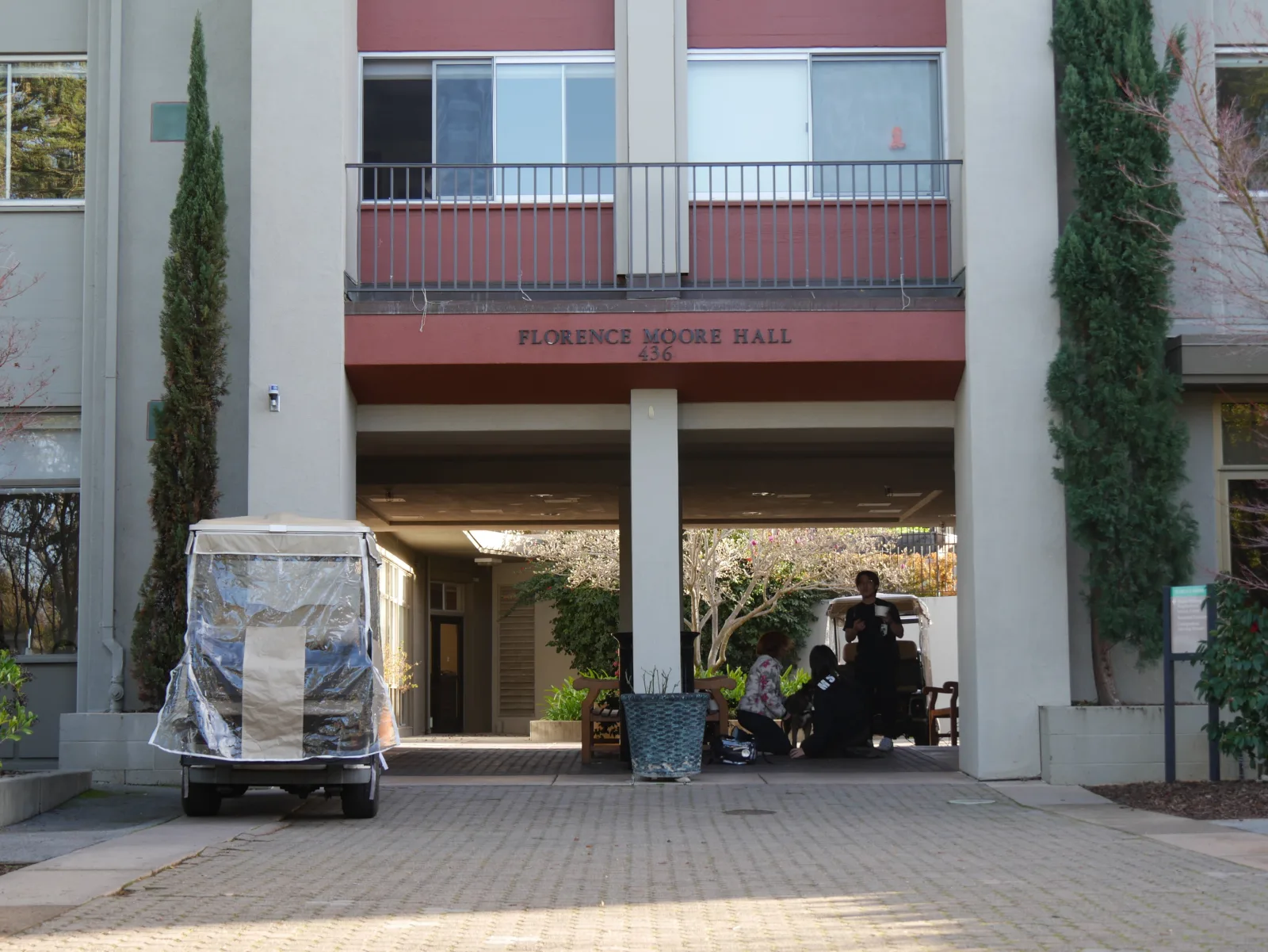
An opinion piece published in The Stanford Daily makes the case for student solidarity with residential assistants at Stanford University who are organizing to unionize. The author, a student, recounts a personal experience during their second quarter when an RA and dormmate provided critical support after a medical emergency, illustrating what the writer describes as the indispensable role RAs play in campus life.
According to the piece, RAs serve as advocates and community anchors during residents' most challenging moments, from navigating homesickness to addressing serious health crises. The author argues that Resident Assistants United Rising (RAUR), the proposed unionization effort, is not seeking radical change but rather "a consistent structure to bargain with the University as equals," as explained by a RAUR organizer cited in the article.
The piece identifies specific grievances RAs have raised, including concerns over compensation, communication from Residential Education (ResEd), and staffing vacancies. The author contends that RAs have been treated dismissively by university leadership and have no viable alternative but to unionize to establish fair bargaining conditions.
The author points to comparisons with peer institutions, noting that RAs at the University of Pennsylvania, Georgetown University, and UCLA do not pay for room and board. Securing similar arrangements at Stanford, the piece argues, would allow RAs to devote more attention to supporting residents while addressing chronic staffing shortages.
Beyond immediate workplace concerns, the author frames RAUR's potential success as part of a broader student advocacy agenda. The piece notes that Residential Education operates under Student Affairs, which also oversees the Office of Community Standards (OCS). A successful unionization campaign, the author suggests, could position students to press the university on related issues including free speech guidelines and student representation in administrative decisions.