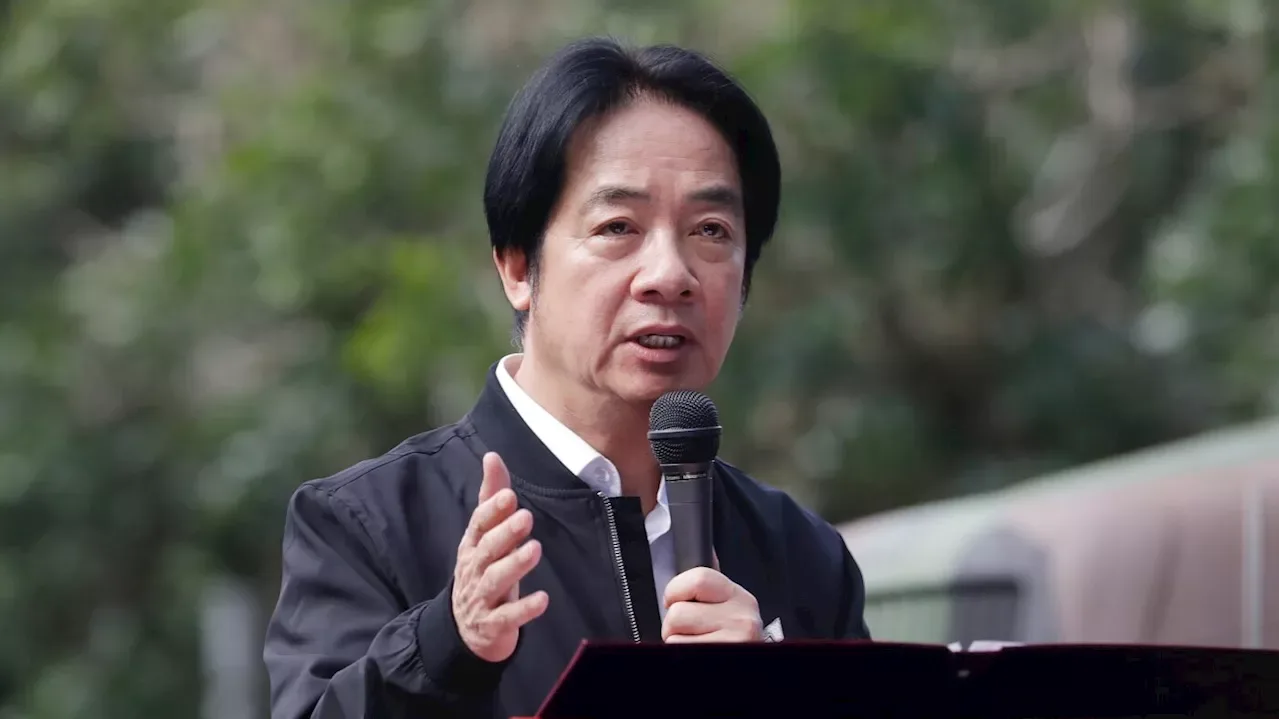
Taiwan's President Lai Ching-te arrived in Eswatini on Saturday, marking the completion of a trip that had been postponed after Seychelles, Mauritius, and Madagascar revoked flight permits. Taiwanese officials attributed the withdrawals to pressure from Chinese authorities, including what they characterized as economic coercion. Lai announced his arrival through social media, stating he had come to "affirm our longstanding friendship" with Taiwan's sole African diplomatic ally.
The visit was originally scheduled to begin on April 22 but was delayed following the permit revocations. Taiwan's government did not publicly announce Lai's travel plans before his arrival, citing security precautions with international precedent. In a statement, Taiwan's Foreign Ministry defended the trip as conducted "in accordance with international law, international norms, diplomatic practices" and Taiwan's regulations.

Lai used the occasion to reaffirm Taiwan's independence and resilience. "Taiwan, a self-ruled democracy that China considers part of its territory, will never be deterred by external pressures," he wrote on social media. He described the visit as an opportunity to deepen economic, agricultural, cultural, and educational ties between the two nations.
China's Foreign Ministry responded sharply to the visit. A spokesperson characterized Lai's arrival as a "laughable stunt" and referred to him being "smuggled" out of Taiwan. The ministry reiterated that Taiwan "is part of China" and urged Eswatini and other nations to reconsider their relationships with Taipei, framing support for Taiwan as incompatible with historical inevitability.
Eswatini occupies a precarious diplomatic position. As Taiwan's only African diplomatic ally, the nation has faced economic consequences for maintaining ties with Taipei. The country remains excluded from tariff-free access to China's market due to its recognition of Taiwan. This economic isolation underscores the costs other nations face when maintaining formal relations with the self-ruled island.
Lai's visit follows previous diplomatic travel by Taiwanese leadership. In 2023, then-President Tsai Ing-wen visited Eswatini, demonstrating the importance both sides place on the relationship. China has consistently sought to isolate Taiwan diplomatically and has not ruled out military force to achieve unification. On Friday, China's Foreign Minister Wang Yi told U.S. Secretary of State Marco Rubio that Taiwan represents the "biggest risk" in Beijing-Washington relations.