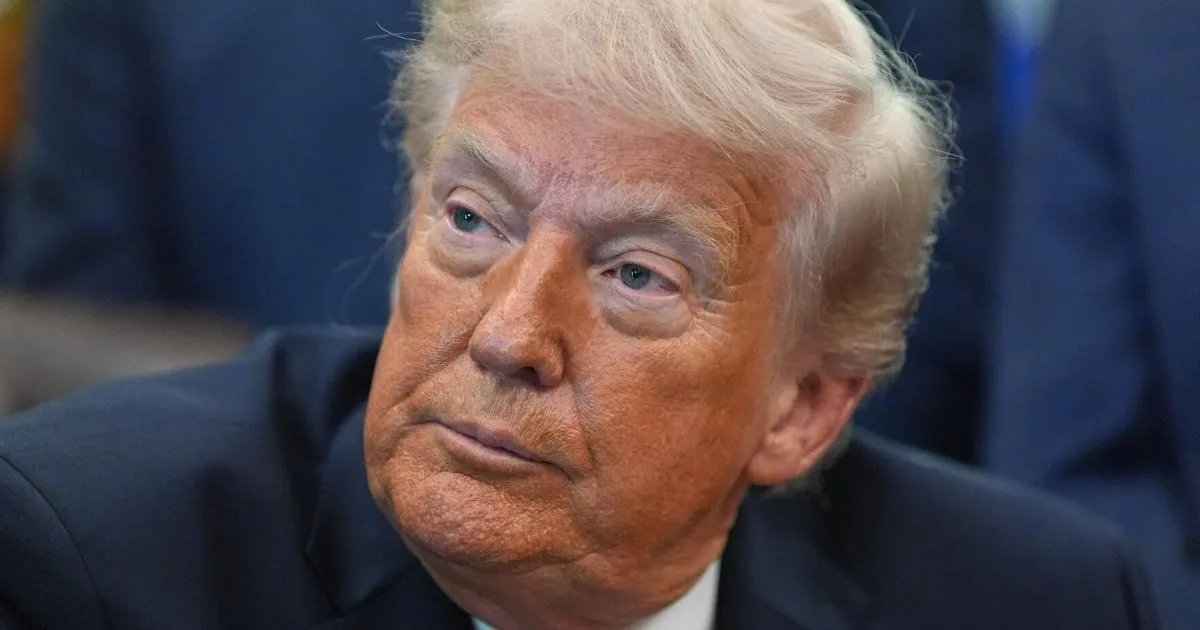
President Donald Trump signed an executive order on Friday that escalates economic pressure on Cuba, introducing sanctions targeting foreign individuals and entities operating in the island's energy, defense, financial services, metals, mining, and security sectors. The measure also authorizes penalties against foreign financial institutions conducting significant transactions with designated Cuban entities, potentially restricting their access to U.S. correspondent banking systems.
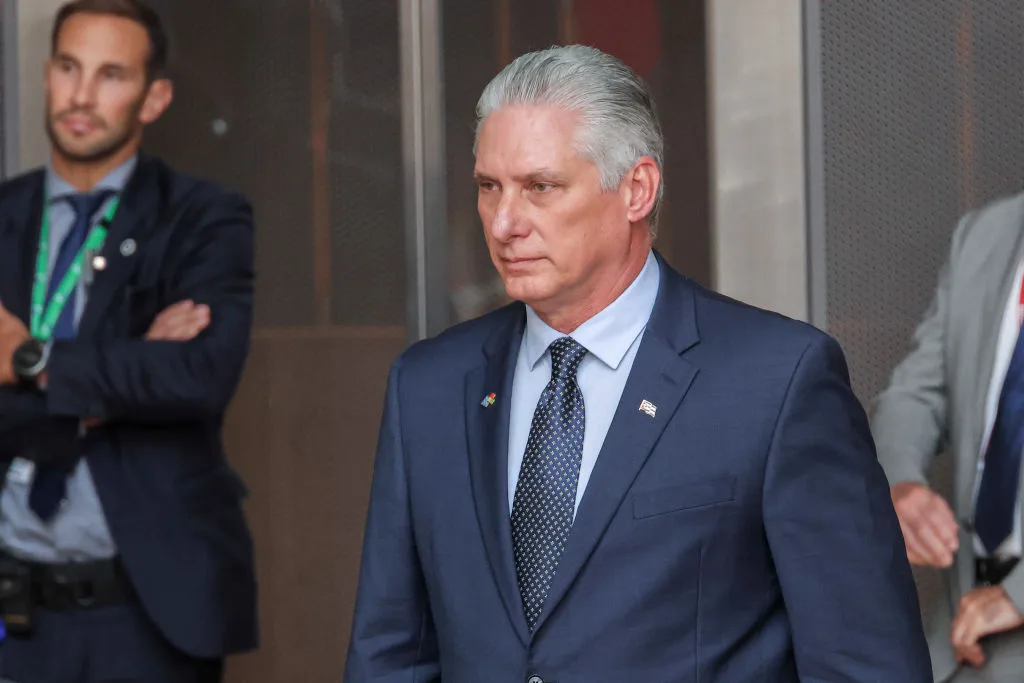
Cuban President Miguel Díaz-Canel responded Saturday with a combative statement, characterizing the actions as "dangerous and unprecedented" military aggression. "No aggressor, no matter how powerful, will find surrender in Cuba," he declared, pledging that his nation would defend "sovereignty and independence in every inch of the national territory" if attacked. Díaz-Canel framed the sanctions as driven by "a small but wealthy and influential group" motivated by "desires for revenge and domination" and called on the international community to take note.

The new sanctions regime goes beyond asset freezes. By targeting foreign financial institutions that conduct business with Cuban entities, the order could further isolate Cuba from global financial systems, potentially limiting foreign investment and exacerbating existing shortages of medicine, food, and basic goods on the island.
Trump's threats escalated beyond the executive order. During a campaign-style event in Florida on Friday, he stated that the U.S. "will be taking [Cuba] over almost immediately." He suggested deploying the USS Lincoln aircraft carrier offshore, claiming the nation would capitulate without resistance. These remarks followed his return from Iran, where he referenced an ongoing military operation.
The administration's stance drew criticism from some lawmakers and civil society voices. Senator Chris Van Hollen of Maryland issued a floor speech earlier in the week rebuking what he termed a "failed, bipartisan" policy toward Cuba spanning decades. He warned that avoiding conflict with the island required reining in the president and learning from historical mistakes in U.S.-Cuba relations.
David Adler, co-general coordinator of Progressive International, criticized what he characterized as muted opposition to the administration's Cuba policy, saying U.S. critics had not adequately challenged the blockade or condemned repeated invasion threats. "Donald Trump has given Marco Rubio the green light to annihilate a peaceful nation and its people — and the 'resistance' is silent," he said.