

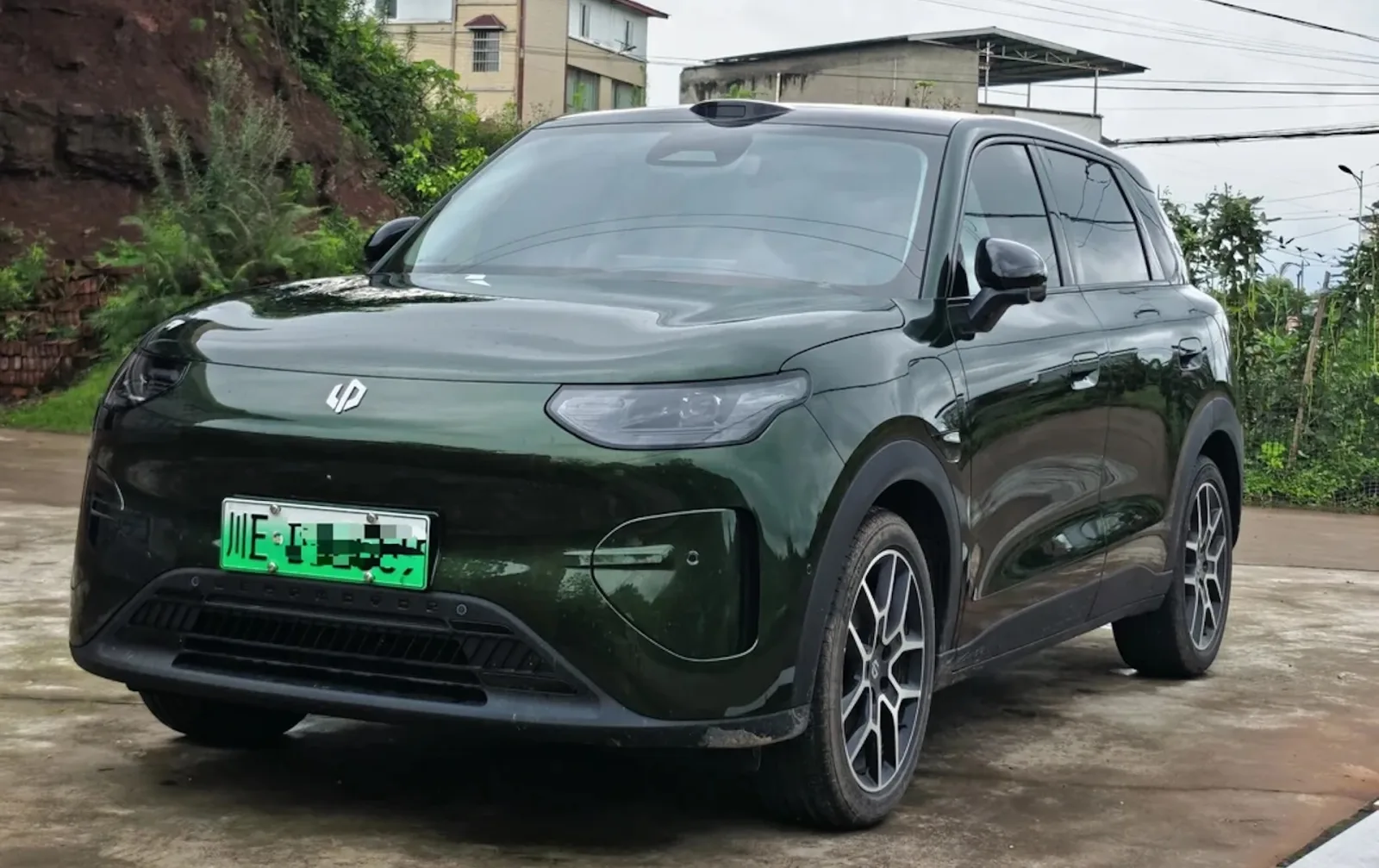
A Reddit user in China detailed their purchase of a Leapmotor A10, a compact electric SUV priced at roughly $14,075 after taxes and fees. This surprising affordability includes the vehicle itself, insurance, purchase tax, and registration, illustrating how accessible electric vehicles (EVs) can be in some markets.
The purchase price broke down to approximately 86,800 RMB ($12,808) for the car, with 4,348 RMB ($641) for insurance, 3,840 RMB ($566) for tax, and 400 RMB ($59) for registration and handling. Beyond upfront costs, the owner highlighted exceptionally low running expenses by using an off-peak home electricity rate for charging.

The owner installed a dedicated home charger with a separate electricity meter to take advantage of cheaper nighttime power priced at 0.23 RMB ($0.034) per kilowatt-hour. This arrangement resulted in a driving cost of around 0.03 RMB per kilometer, or less than one cent per mile, emphasizing the cost efficiency of charging an EV at home under favorable conditions.
The Leapmotor A10 was selected for its combination of features, including a competitive 500-kilometer range and the inclusion of LiDAR technology for driver assistance. According to the buyer, this tech performs particularly well on highways and expressways but still demands attentive driving in city environments. The user praised the vehicle’s highway capabilities and expressed strong satisfaction with the overall experience.
Government incentives in China further supported this setup by subsidizing the installation of the separate home charging meter. While the EV manufacturer provided the wallbox charger, the buyer paid a modest fee to a local electrician—50 RMB ($7.38)—to complete the installation quickly. This demonstrates how infrastructure improvements and policy support can reduce EV ownership costs.
This case exemplifies how electric car ownership in China can become financially accessible when affordable vehicle models, government incentives, and low-cost home electricity converge. It also underlines the potential for EVs to reduce reliance on fluctuating gasoline prices and lower maintenance costs compared to traditional combustion engines.