

As artificial intelligence usage surges, two of the world’s largest tech companies, Google and Amazon, have reported substantial increases in their greenhouse gas emissions. Google's total emissions climbed by 25%, while Amazon's rose by 16%, highlighting the growing environmental impact of expanding AI operations. These developments challenge prior assumptions that digital services could decouple growth from carbon footprint through efficiency and renewable energy investments.
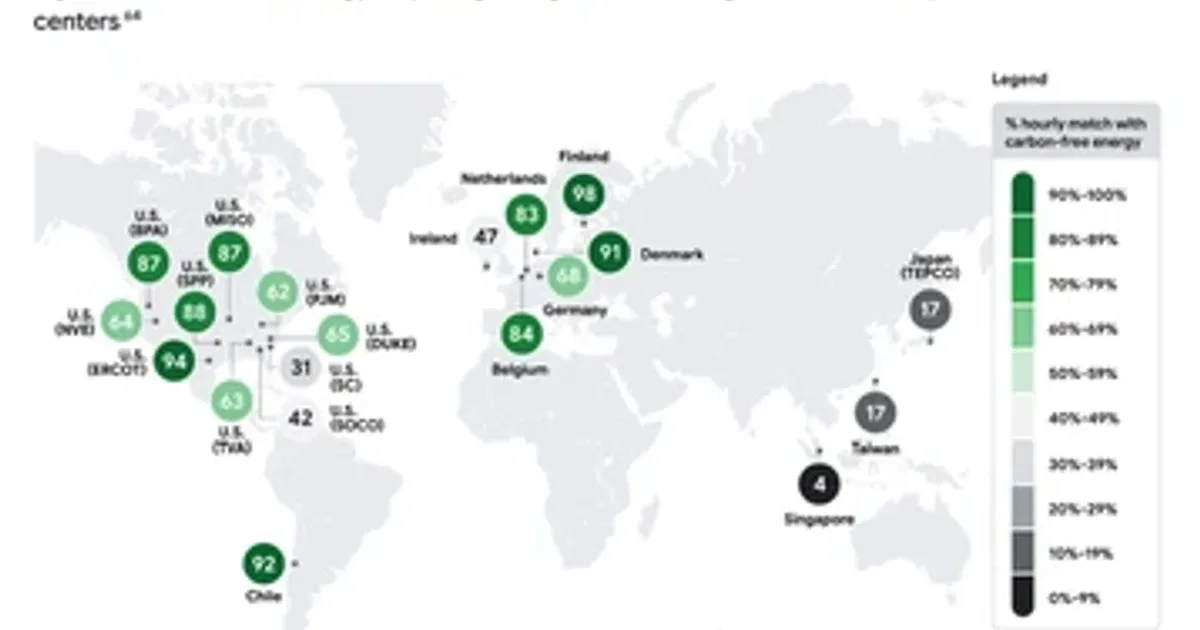
Both companies continue to invest heavily in clean energy and water stewardship, yet the reports show that the scale of AI's resource demands is testing these gains. Google's 2025 Environmental Report reveals that although the company cut emissions from its data centers by 12% through efficiency and renewable energy purchases, its overall electricity consumption rose notably. Meanwhile, Google increased freshwater replenishment from 18% in 2023 to 64%, replenishing billions of gallons of water to balance usage. It also committed to acquiring more than 12 gigawatts of new clean energy capacity in 2025, a record annual investment for the company.

Amazon’s Sustainability Report for 2025, covering its full calendar year, emphasizes how AI is intensifying demand not only for energy but also for water and physical infrastructure. The company maintains its Climate Pledge to reach net-zero carbon emissions across global operations by 2040, a target supported by investments in renewable energy, more efficient data centers, sustainable transportation, and supply chain improvements. Nevertheless, Amazon acknowledges that the growing AI workload drives an increased need for hardware and cooling, which in turn raises energy and water use despite ongoing efficiency improvements.
These environmental impacts extend beyond data centers to encompass the entire supply chain and operational footprint. In both firms, Scope 3 emissions—which include indirect emissions from supply chain activities—remain a significant driver of their overall carbon footprint. As AI demands scale, the ratio of emissions per unit of revenue (carbon intensity) becomes a critical metric, illustrating how expanding services require more physical resources even as processes improve.
While Google and Amazon’s climate pledges and investments in renewables indicate a commitment to long-term sustainability, their recent reports underscore the challenges posed by rapid AI growth. The rising energy and water consumption necessitated by these advances pose complex questions about balancing innovation with environmental responsibility.