

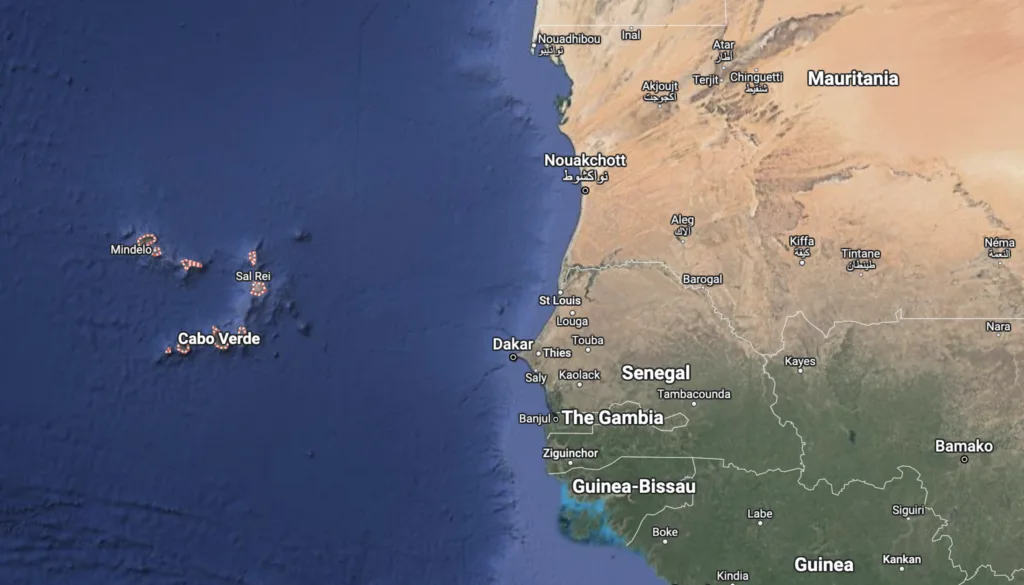
Cape Verde, a small island nation off Africa’s coast, has transitioned its entire government vehicle fleet to battery electric vehicles (BEVs) supplied by BYD. This full electrification effort highlights the country’s commitment to sustainable transport and energy independence, aligning with its broader goals to reduce reliance on imported fossil fuels.
The move comes amid Cape Verde’s appearance on the world stage in the ongoing World Cup, where the nation faces some of the sport’s biggest stars. Beyond sports, the decision to adopt electric vehicles (EVs) addresses multiple challenges faced by island nations, including high fuel costs and vulnerability to climate change effects like rising sea levels and extreme weather.

Island countries typically face inflated petroleum prices because they depend entirely on fuel shipments, making the operational costs of internal combustion engine vehicles especially burdensome. Cape Verde’s abundant sunlight and wind resources create an ideal environment to support EV infrastructure and renewable energy integration. Additionally, the compact geography means BEVs can effectively meet daily travel needs without concerns about range limitations.
Adopting a full fleet of BYD BEVs offers several practical and economic advantages. BYD vehicles often come with lower upfront costs than traditional gasoline vehicles while delivering reduced operating expenses over time. The government’s transition to electric transport frees up budget resources that can be redirected to public services and infrastructure development.
Moreover, Cape Verde’s alignment with the Belt and Road Initiative has enabled partnerships focusing on infrastructure and public health projects, further supporting its sustainability agenda. The country’s BEV adoption also exemplifies resilience by lessening dependence on imported fuel, which can be disrupted or become prohibitively expensive. Features like vehicle-to-load (V2L) capability add emergency power backup, an important benefit for island communities prone to natural disasters.
This comprehensive electrification strategy illustrates how small island nations can lead in climate action and clean technology adoption. By reducing emissions from government vehicles, Cape Verde contributes to combating the environmental threats that disproportionately impact island states while promoting cleaner air and quieter streets, particularly benefiting its crucial tourism industry.