

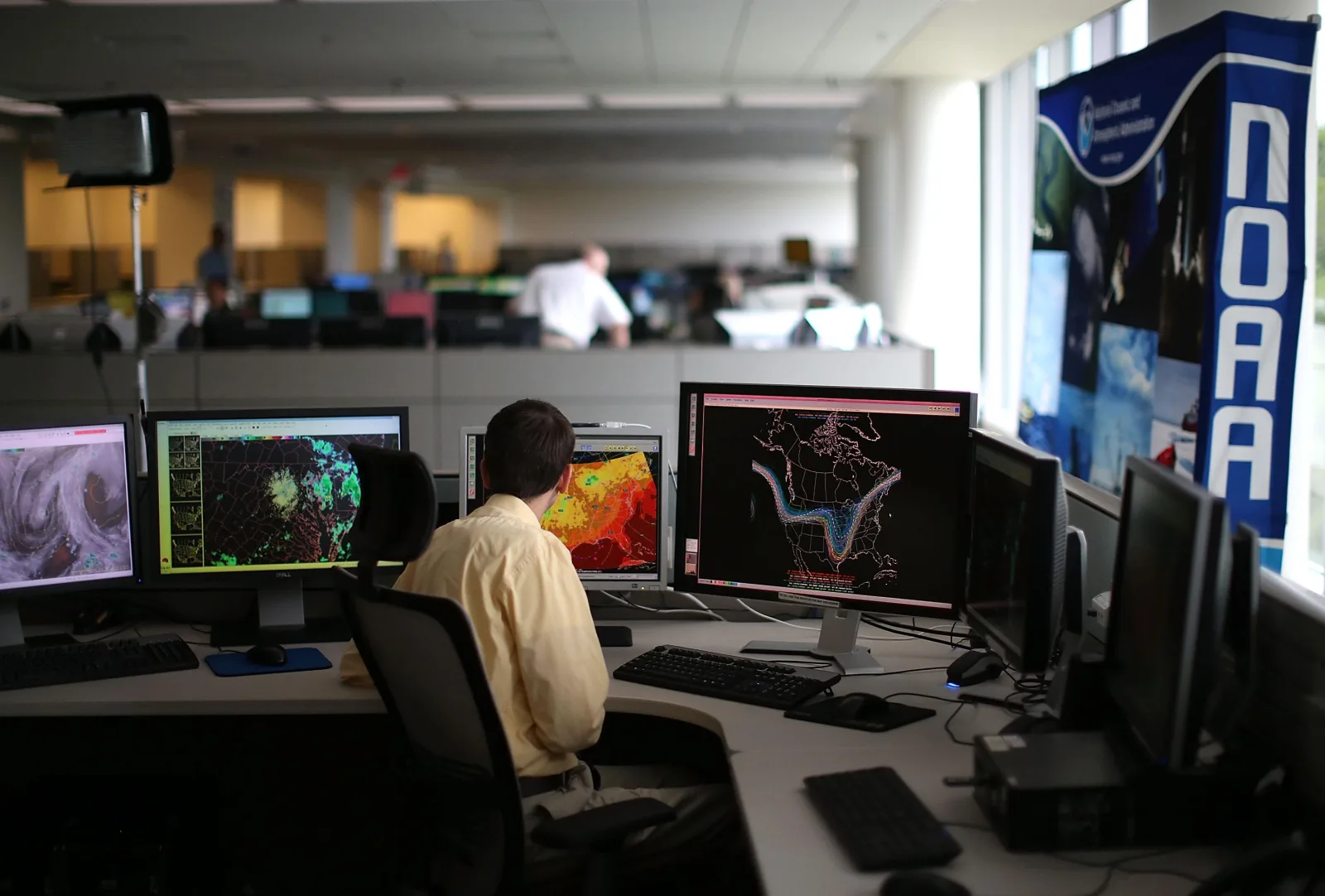
After the federal government shut down Climate.gov and removed numerous climate-related pages from official websites, a dedicated group of former NOAA staff took steps to preserve and continue providing accessible climate science information to the public. This initiative resulted in the creation of Climate.us, an independent platform designed to maintain and expand on the resources lost during the previous administration’s purge of government climate content.
Climate.gov, managed for years by Rebecca Lindsey and her team, served as a trusted source translating complex climate research into clear, user-friendly explanations for educators, policy makers, and community leaders. The abrupt closure not only erased a decade and a half of work but also deprived the public of a crucial tool for understanding climate science. Concerned about losing this valuable repository, the former team regrouped last summer to build a nongovernmental alternative that could continue delivering vetted, science-based information.

Launched recently, Climate.us aims not only to archive the original content but also to stay current by regularly updating visualizations, FAQs, and articles reflecting the latest scientific findings. Since its debut, the site has attracted nearly 800,000 page views, approaching the volume the NOAA site had garnered monthly. The platform’s mission is to respond dynamically to what climate scientists identify as critical topics for public education and engagement.
This effort comes amid widespread rollbacks of climate information across federal agencies. The National Climate Assessments, mandated reports that summarize climate risks for lawmakers and the public, disappeared from official channels. The Environmental Protection Agency (EPA) removed scores of pages detailing the causes and effects of climate change, including content that clearly identified human activities as a primary driver—a narrative replaced with misleading emphasis on natural processes. Advocates monitoring these changes have characterized them as an aggressive effort to dismantle trustworthy climate knowledge.