

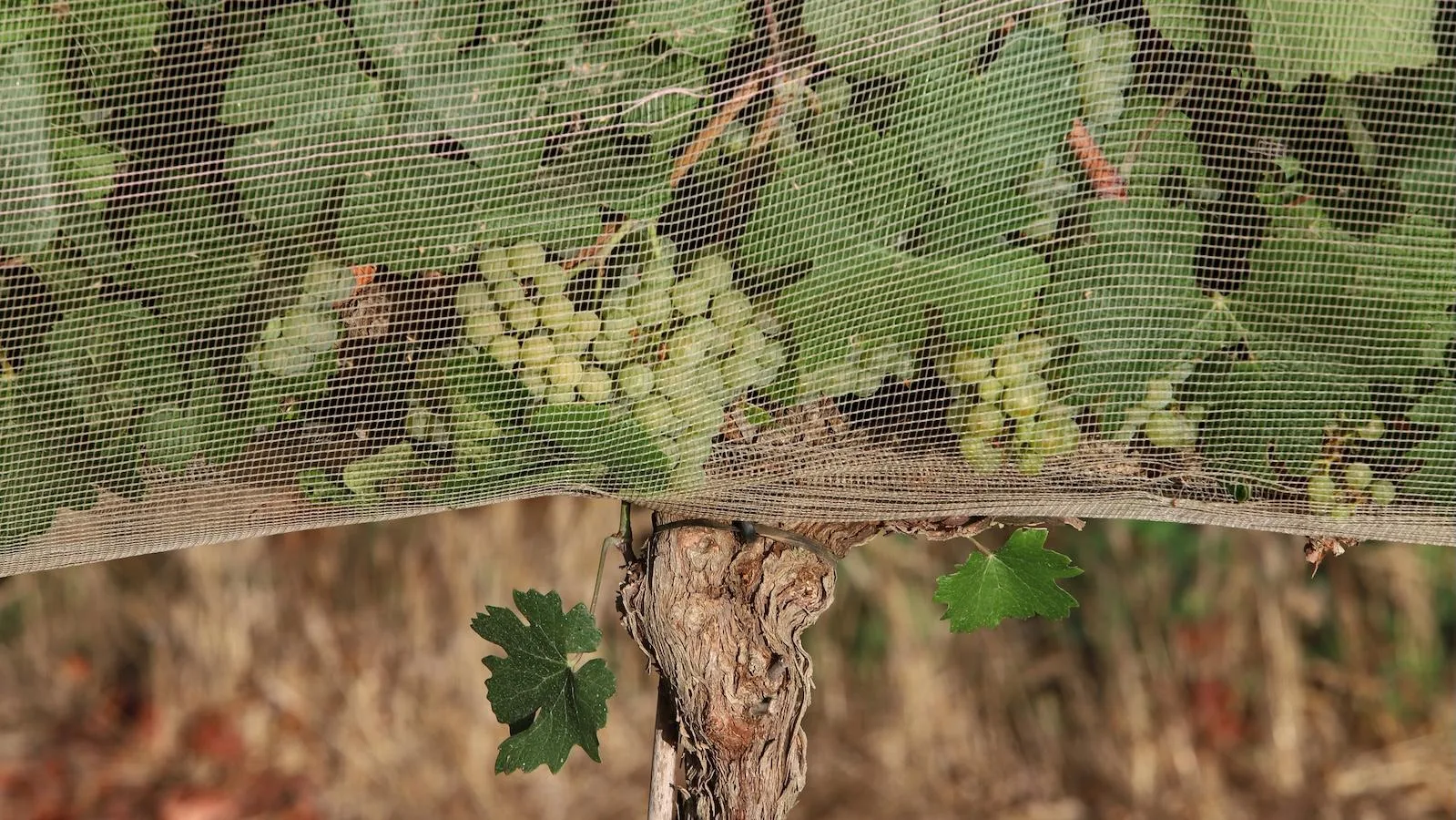
As climate change reshapes viticulture worldwide, wine producers face difficult choices to preserve their craft. A recent study from Cornell University highlights three main approaches wineries use to adapt to warming conditions: installing shade cloth to protect grapes, shifting to more heat-tolerant grape varieties, or relocating vineyards to cooler areas. The research shows that consumers support these efforts, expressing willingness to pay a premium for wines labeled as climate-resilient.
The study focuses on how these adaptation strategies influence consumer perception and market dynamics. While some changes remain hidden—such as the use of shade cloths, which typically would not be visible or indicated to buyers—others directly affect the product’s identity. For example, switching from a popular grape like Cabernet Sauvignon to Carignan, or shifting a vineyard’s location from Napa Valley to Lake County, alters fundamental markers consumers use to choose wines.

Among the options, relocating a vineyard received the lowest enthusiasm, with fewer participants ready to pay extra for wines lacking original regional branding. However, all three strategies—shade protection, grape variety change, and relocation—still attracted buyer support. This suggests that while traditional labels and names carry weight, consumers increasingly recognize the value of sustainability and climate adaptation in wine production.
The implications for winemakers are significant. The study aims to guide producers in balancing necessary climate adaptation investments with consumer preferences. As one of the authors, a Cornell professor specializing in food and beverage management, noted, the success of any adaptation depends not only on implementation but also on how well consumers accept and appreciate these changes. This is critical as climate impacts like droughts in Chile, wildfires in California, and frost in France continue to disrupt traditional viticulture practices.
Moving forward, transparent communication about production changes may become a key factor in maintaining customer loyalty. By educating consumers on the benefits and necessity of climate-resilient practices, wineries can foster a willingness to support products that safeguard quality amid environmental challenges—even if it means trading iconic names or grape types for more sustainable options.