

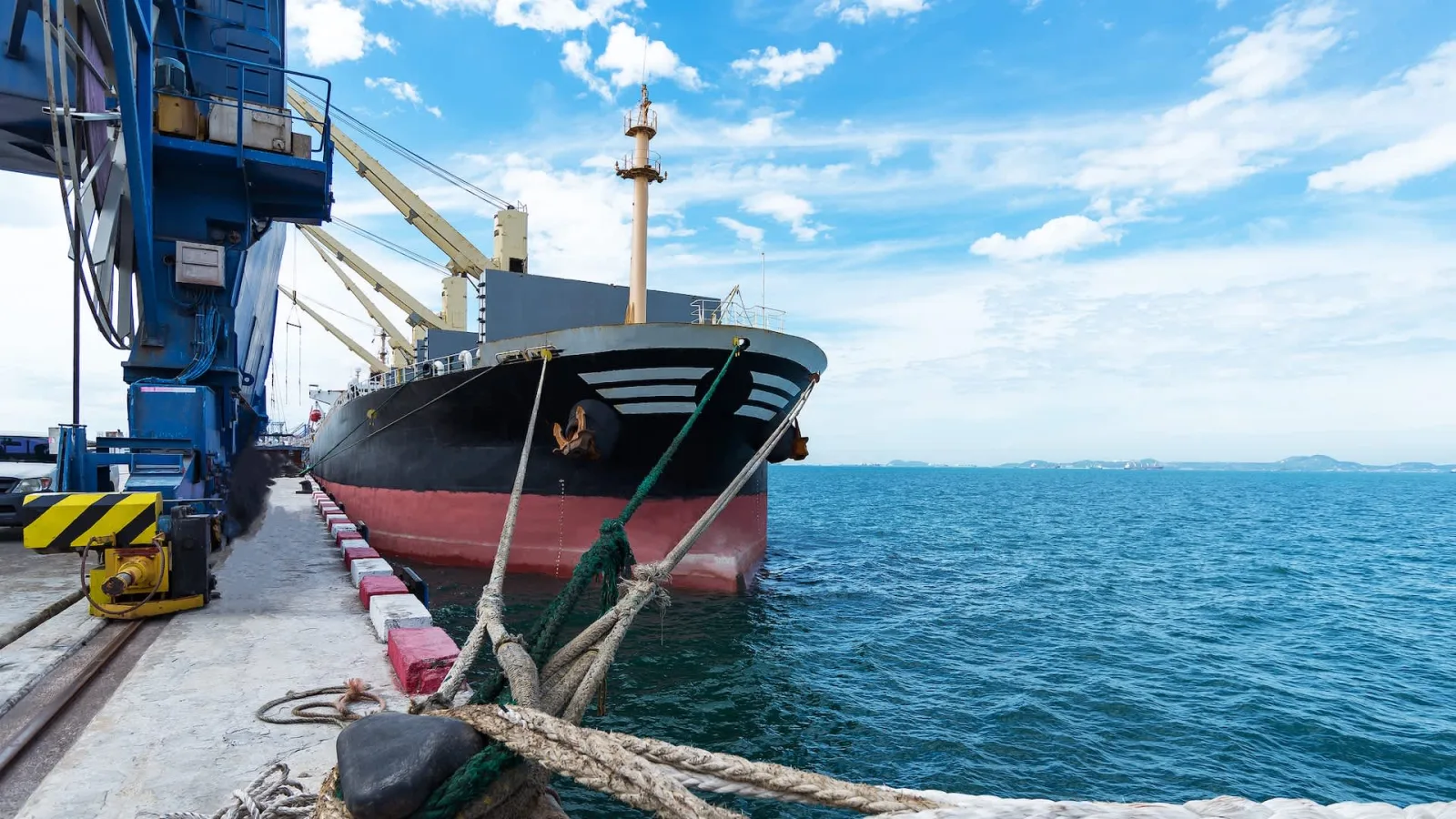
An innovative trial at the Port of Lianyungang in China showcased an all-electric tugboat not just charging its batteries but also sending electricity back to the shore. Over seven hours, the vessel delivered power to the grid at a steady rate of 80 kilowatts, supplying a total of 560 kilowatt-hours. This experiment marks a significant step toward using electric ships as energy storage assets for ports.
The technology builds on the vehicle-to-grid concept already used by electric cars, extending it to maritime applications. Making this possible involved overcoming challenges unique to the marine environment, such as salt corrosion and humidity, to ensure reliable, bidirectional energy flow between ship and shore.

If widely implemented, this system could turn port vessels into flexible battery reserves to support local power grids, addressing peak demand and reducing reliance on emergency power sources. This not only offers economic benefits for shipping operators by lowering energy costs but also contributes to grid resilience during extreme weather events or outages.
Beyond energy storage, electric tugboats reduce air pollution compared to conventional diesel-powered vessels, improving port air quality and advancing maritime decarbonization efforts. By integrating these vessels into port energy systems, the shipping industry gains a cleaner, smarter infrastructure model that can optimize fuel use and cut emissions.
Ports, as critical economic hubs, stand to benefit from becoming active partners in energy management through this approach. The trial suggests a scalable pathway to enhance how power networks incorporate storage and demand response within maritime and coastal communities, signaling a broader shift toward greener shipping and port operations.