

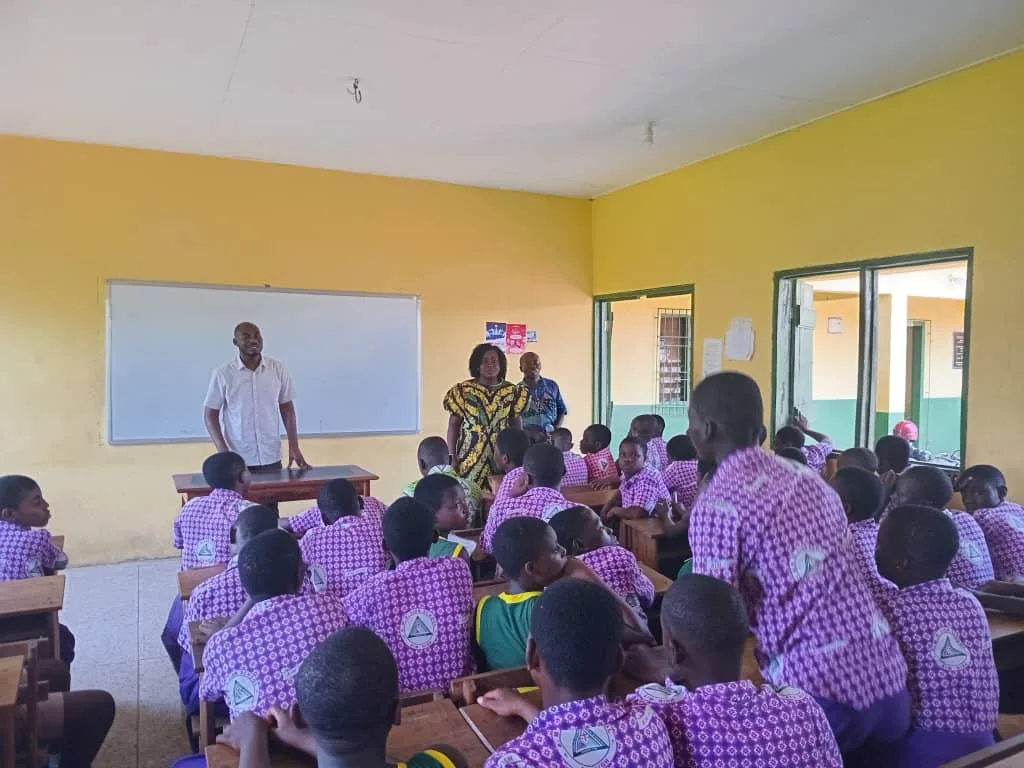
The Environmental Protection Authority (EPA) has taken a proactive approach to climate resilience by engaging schoolchildren across several Ghanaian municipalities in a comprehensive climate education campaign. This initiative, part of the activities marking World Environment Day 2026, targeted pupils in basic schools within the Effutu Municipality, Gomoa East District, and Agona West Municipality. It aimed to equip young learners with practical knowledge on climate change, environmental stewardship, and sustainable behaviors that could be shared within their communities.
EPA officers visited 25 schools during the week-long campaign, delivering lessons on climate change causes and impacts, waste management, tree planting, and conservation practices. The program encouraged students to adopt climate-smart habits both in school and at home, positioning them as key agents of environmental change. The campaign culminated in a major event in Winneba, where community leaders, including the Municipal Chief Executive for Effutu, highlighted the urgent need for collective action to protect the environment and build a climate-resilient Ghana.

Beyond education, the EPA incorporated a competitive evaluation of participating schools based on their understanding of climate change, engagement in sustainability efforts, and cleanliness. Unipra South Junior High School won first place, followed by Don Bosco 'A' Junior High School and Winneba M/A Junior High School. Prizes included grass trimmers and waste bins to assist with ongoing environmental management, while all schools received certificates recognizing their involvement.
The EPA’s Kasoa Area Head emphasized that climate change is already affecting livelihoods and natural resources, making resilience essential. He called on schools to convert climate knowledge into actionable practices. The initiative also featured a tree-planting exercise involving students, educators, EPA officials, and local authorities, symbolizing a joint commitment to environmental sustainability.
This campaign forms part of the EPA’s broader strategy to empower the youth as key players in environmental protection and readiness against climate-related challenges, fostering communities prepared to navigate the impacts of climate change.