

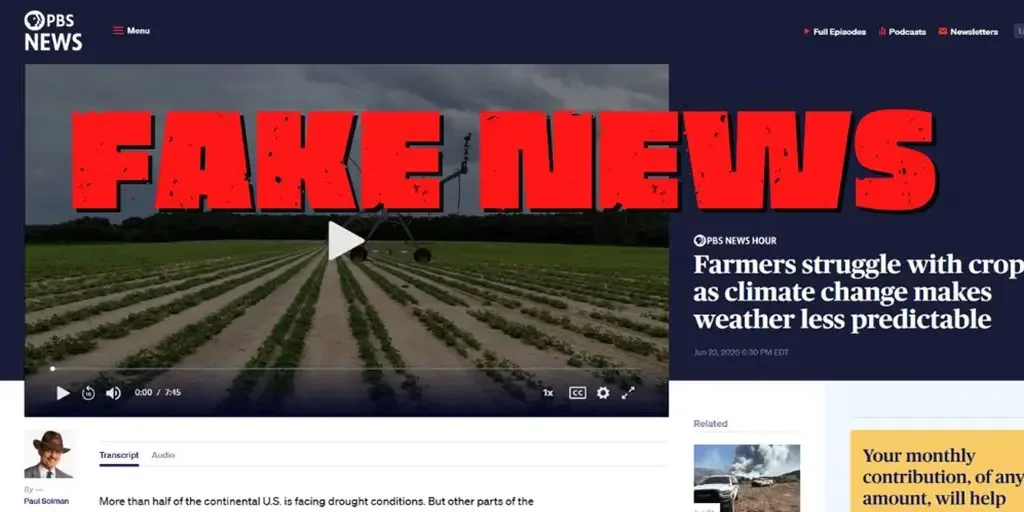
A recent claim that climate change is driving an unprecedented drought in Georgia does not align with historical drought data. Official records indicate that the current dry spell is less severe than past episodes in the state, some of which occurred long before modern concerns about global warming.
The report in question featured farmers describing this year’s drought as the worst they have seen, suggesting a new climate pattern of extremes. However, data from the National Oceanic and Atmospheric Administration (NOAA) reveal that Georgia has endured multiple severe droughts in recent decades, including notably harsh conditions in the early 2010s and the mid-twentieth century. The most intense drought recorded predates modern warming trends entirely, occurring in 1925 when atmospheric carbon dioxide levels were much lower.

Experts often cite phenomena such as alternating cycles of drought and heavy rain—sometimes described as "weather whiplash"—as increasing due to climate change. Yet this pattern is common in natural drought recovery, where hardened soil limits water absorption, intensifying runoff and flooding once rains return. This interplay of dry and wet phases is well documented and does not necessarily indicate a shifting climate regime.
The farmers interviewed claimed their experience differed from any previously documented droughts and blamed irregular rainfall patterns on climate change. But meteorological data for their specific region contradict these anecdotal accounts. For instance, Long County, where some of the interviewees reside, has previously faced severe drought conditions comparable or worse than the current situation.
While the debate over climate change’s role in extreme weather continues, Georgia’s recent drought highlights the importance of grounding discussions in comprehensive historical data rather than isolated observations or unverified assumptions.