

General Motors is betting on silicon anode technology as the next leap forward in electric vehicle batteries, aiming to substantially extend driving range and reduce charging times. Unlike the long-anticipated but still distant solid-state batteries, silicon anodes offer a more immediate upgrade compatible with existing lithium-ion infrastructure.
During a recent event in San Francisco, GM’s battery and sustainability lead highlighted silicon as the near-term alternative to graphite-based anodes, which dominate today’s EV batteries but rely heavily on supply chains centered in China. Replacing graphite with silicon could improve energy density and speed up charging without major changes to battery architecture.

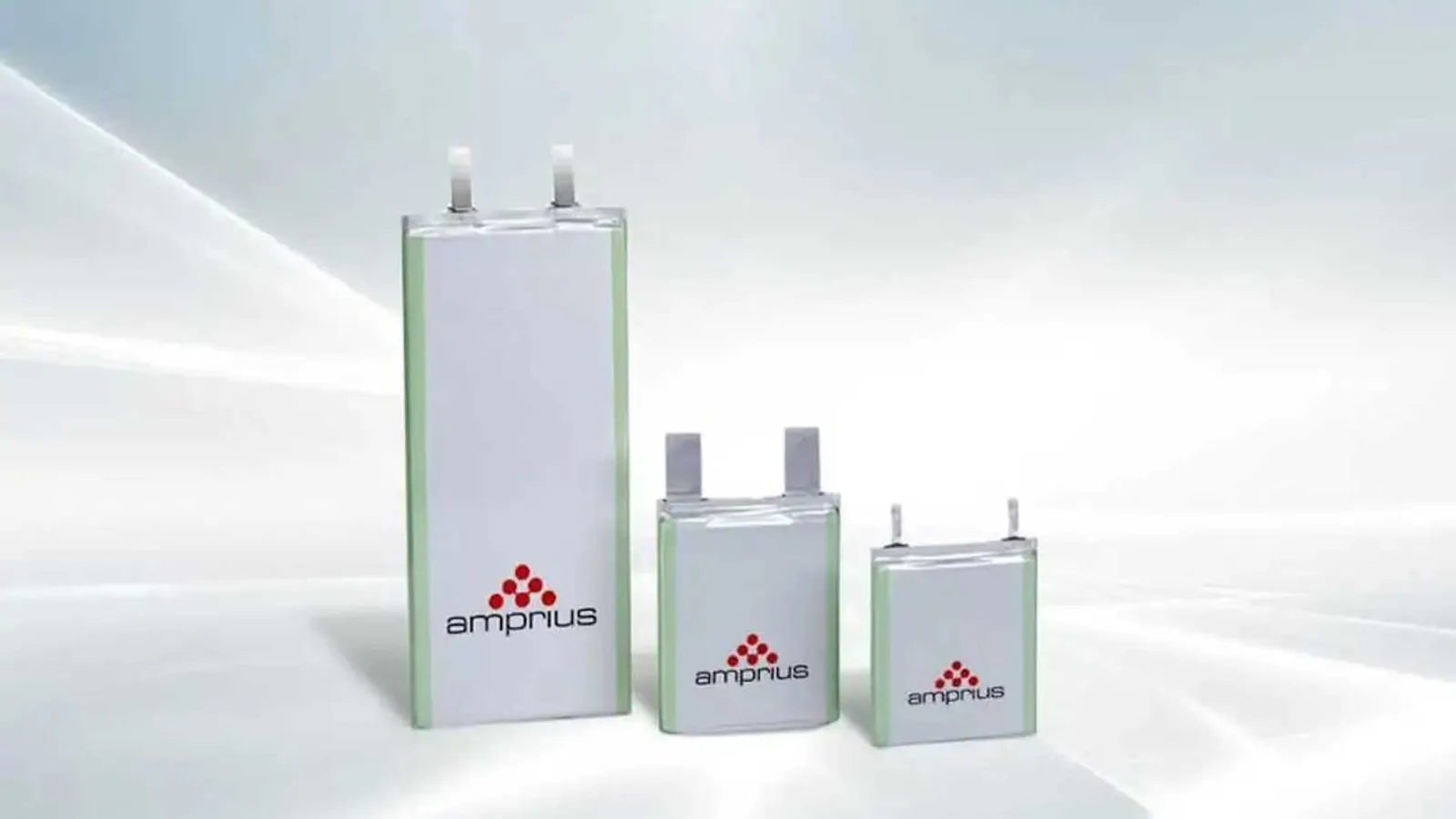
This shift could benefit EV drivers with longer trips and less frequent stops for charging. Silicon anodes reportedly boost range by around 20% without increasing battery size. Some startups, including Amprius Technologies, claim their silicon anode batteries could nearly double range on a typical pack—from about 310 miles to over 570 miles. Faster recharge from 10% to 80% in under a quarter-hour, demonstrated by Mercedes-Benz’s AMG GT equipped with silicon anodes, underscores the technology's promise for both everyday users and high-performance vehicles.
Aside from consumer advantages, silicon anode production is scaling up in multiple locations, hinting at broader adoption beyond luxury models. Group14 manufactures related materials in South Korea, while Sila reports a U.S. facility capable of supporting tens of thousands of EVs annually with plans for expansion. Economies of scale could make these advancements accessible to mainstream markets sooner than expected.
Despite this focus, GM remains open to exploring all battery technologies, including solid-state prototypes, to find the most effective solution. Still, silicon anodes represent a tangible step toward improving EV usability and easing range anxiety through longer mileage and faster, more convenient recharging.