

India is witnessing a rapid shift toward electric vehicles (EVs), driven in part by the lasting impact of the West Asia crisis and the resulting geopolitical instability. A recent SBI Research report highlights that increasing EV penetration to 20 percent by 2030 could save the country an estimated Rs 1 lakh crore in oil import expenses, significantly easing the pressure on foreign exchange reserves.
The shift in consumer behavior has already produced tangible results. Following the escalation of US-Iran tensions earlier this year, EV registrations in India jumped sharply, rising from an average of 1.3 lakh per month in 2025 to 2.3 lakh monthly registrations between March and June 2026. Analysts anticipate that total EV registrations will surpass the 25 lakh mark by the end of this year, reflecting a substantial acceleration.

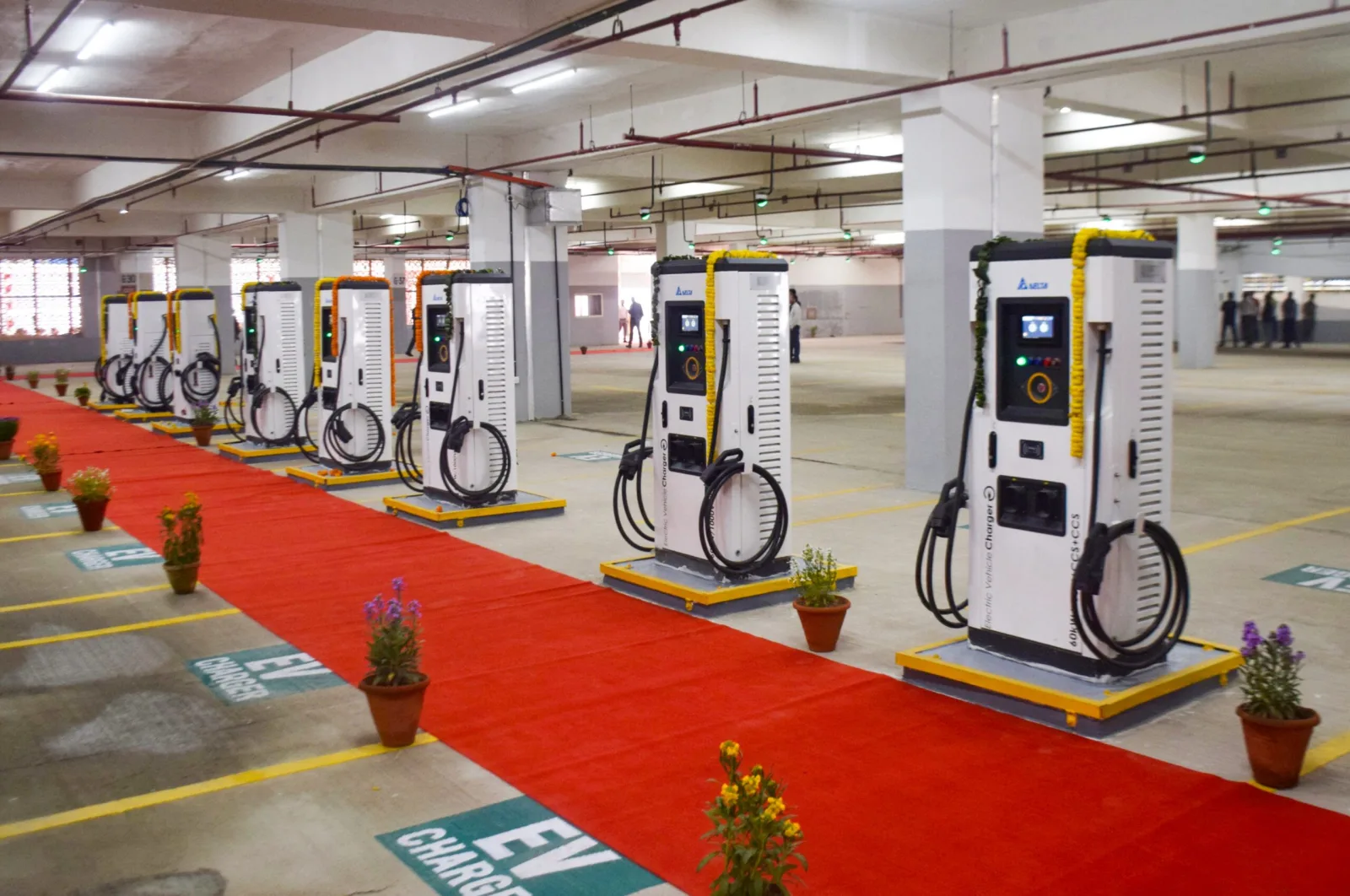
Pure electric vehicles now represent a growing share of overall vehicle registrations, climbing from below 2 percent in 2024 to more than 8 percent so far in 2026. Certain states have recorded EV penetration exceeding 10 percent, indicating pockets of rapid adoption. This expansion is supported by the existing network of 29,151 public charging stations nationwide, with Karnataka and Maharashtra housing 35 percent of these facilities.
To further stimulate the EV market, Delhi has unveiled an ambitious plan to install 32,000 additional charging points over the next four years. The success of the sector largely hinges on accessible charging infrastructure, as highlighted by researchers.
Looking ahead, projections estimate that India’s total vehicle registrations will grow from 2.86 crore in 2025 to 4 crore by 2030. Of these new registrations, approximately 20 percent—or 80 lakh vehicles—are expected to be electric, up from about 15.7 lakh in 2025. This entails that during 2027-2030, around 35 lakh petrol vehicles could be replaced by EVs, accelerating the transition beyond the baseline business-as-usual scenario.
Delhi’s recently introduced EV policy acts as a key catalyst in this transition. The government is offering cumulative purchase incentives of Rs 60,000 for two-wheelers over three years and Rs 1,20,000 for three-wheelers during the same period. Commercial N1 trucks will receive a Rs 1 lakh subsidy in the first year. Beyond subsidies, the policy grants eligible EVs a 100 percent waiver on road tax and waives one-time registration fees, removing financial barriers for consumers.
This multipronged approach combining financial incentives and infrastructure development paints a clear path for boosting EV adoption, which could reshape India’s energy landscape and reduce dependence on imported oil significantly.