

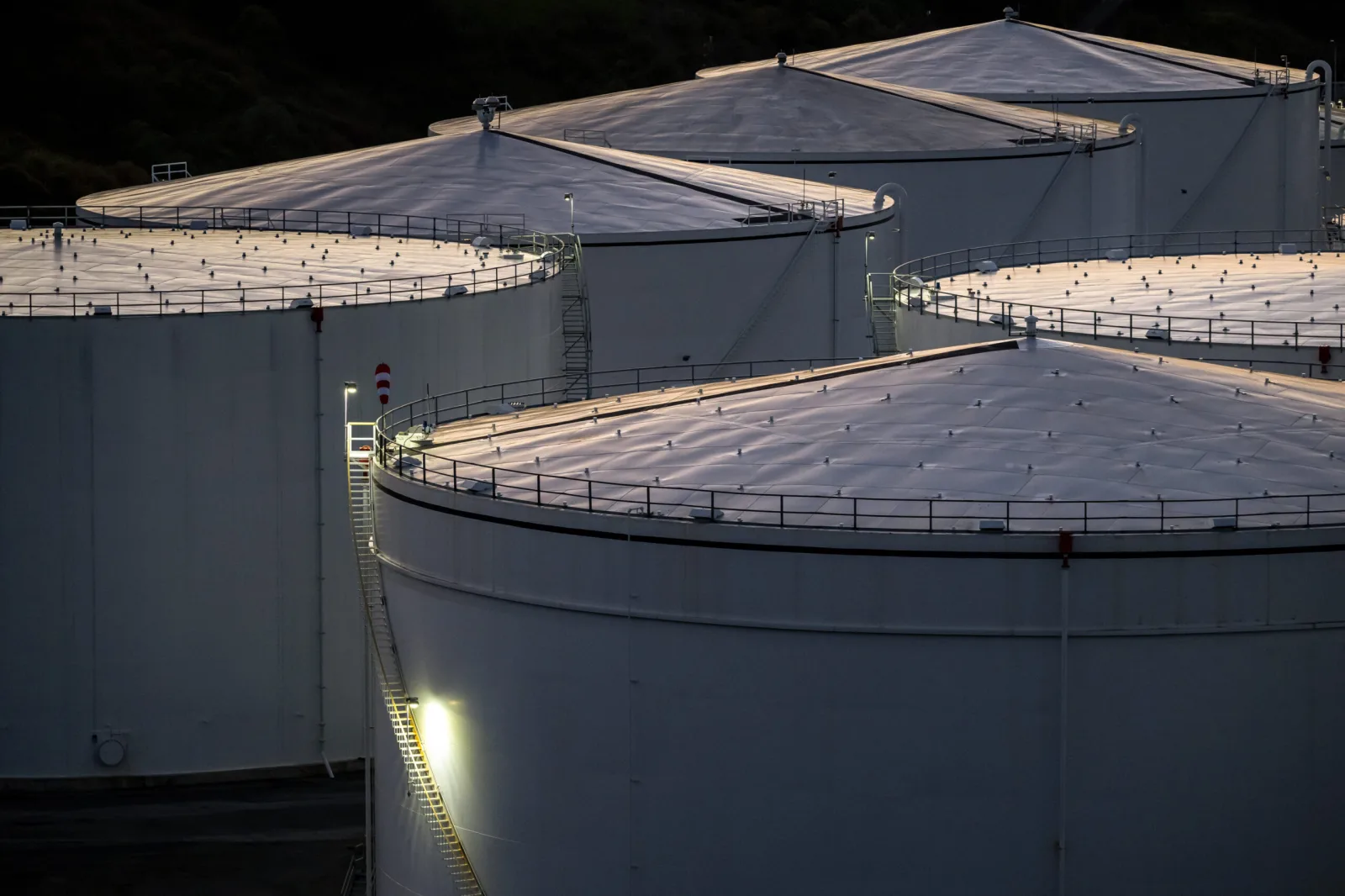
Iran faces mounting challenges unloading millions of barrels of crude oil now anchored in regional waters after Washington provided a temporary 60-day sanction relief window. More than 20 million barrels have lingered without movement for at least a week, marking a substantial increase in floating Iranian oil, according to data from Kpler Ltd. Estimates put the total volume of Iranian crude held at sea between 58 million and 68 million barrels. The majority of these shipments have no confirmed destination, reflecting hesitancy among buyers and logistical complications.
Most vessels either mark their next destination as “for orders” or list Singapore, suggesting potential ship-to-ship transfers in the strategically vital Malacca Strait. This inventory build-up threatens Tehran’s ability to generate urgently needed revenue and may weaken its negotiating position with the United States, which granted the temporary sanctions relief as part of an interim peace agreement. The relief window is set to expire by mid-August, adding a time-sensitive pressure to secure sales.

Tehran’s primary customers, including Chinese independent refiners, have shown subdued interest amid industry slowdowns, with China’s imports of Iranian crude dropping by more than half in June compared to the previous month. Meanwhile, Chinese state-owned refiners have largely refrained from purchasing Iranian oil due to financing uncertainties. Regional supply gluts, including cargoes from other Persian Gulf producers and previously stockpiled crude, have further softened demand in key Asian markets.
Beyond demand issues, the Iranian oil trade faces structural barriers. The European Union and the United Kingdom maintain restrictions that complicate insurance and port acceptance, particularly for vessels associated with Tehran’s “dark fleet” tactics to evade sanctions enforcement. Some ports remain reluctant to receive these tankers, further limiting export routes. Additionally, the possibility of a premature termination of the US sanctions waiver injects additional risk for potential buyers wary of reimposed penalties.
Despite these hurdles, Iranian officials reported exporting over 40 million barrels since the US lifted its naval blockade, highlighting ongoing, albeit constrained, flows. Indian officials have engaged with Iranian counterparts recently, though New Delhi has stopped short of committing to new purchases amid the uncertain environment.