

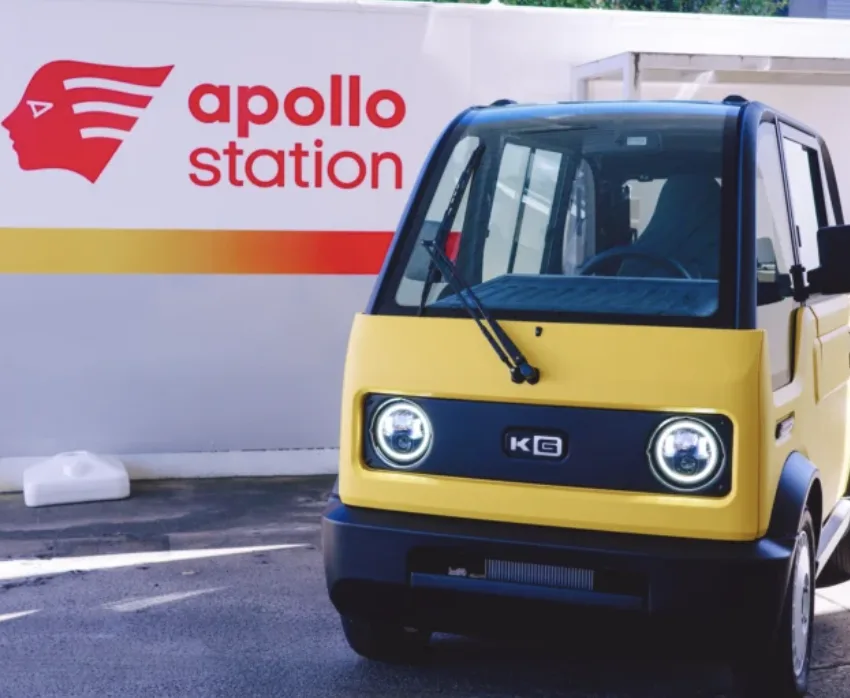
KG Motors, the Japanese electric vehicle startup behind the MiBot microcar, halted new customer reservations to concentrate resources on delivering vehicles already ordered. This decision deviates from the usual startup strategy of expanding preorder lists and instead reflects a focus on disciplined manufacturing and financial sustainability.
The MiBot’s unique monocoque chassis design demands substantial upfront investment in molds and tooling, unlike the lighter tubular frameworks common in other microcars. This commitment to build quality means KG Motors cannot rush production without risking delays or compromising safety. The company’s publicly stated goal of producing 10,000 units annually is now positioned as the minimum scale needed for the operation to remain financially viable.

Rather than targeting individual consumers, KG Motors aims to secure orders from corporate clients, municipalities, and organizations that require fleet vehicles for short-distance travel. Potential users include caregivers, maintenance crews, and businesses offering employee mobility solutions. Such contracts, often involving dozens or hundreds of units, could accelerate production growth while lowering customer acquisition costs.
This strategy aligns with the company’s partnership with Idemitsu Kosan, whose nationwide fuel stations are evolving into mobility hubs. Through this alliance, KG Motors gains access to a commercial market that supports fleet sales, underscoring the shift away from a traditional retail model toward volume-based orders.
KG Motors emphasizes that suspending new reservations does not mean deliveries have stopped. Rather, the company intends to fulfill all existing orders before accepting more, maintaining transparency and avoiding the hype-driven “announce first, build later” tendencies that have affected other EV startups. By prioritizing customer delivery and manufacturing discipline, KG Motors seeks to establish a stable foundation for its micro-EV business.