

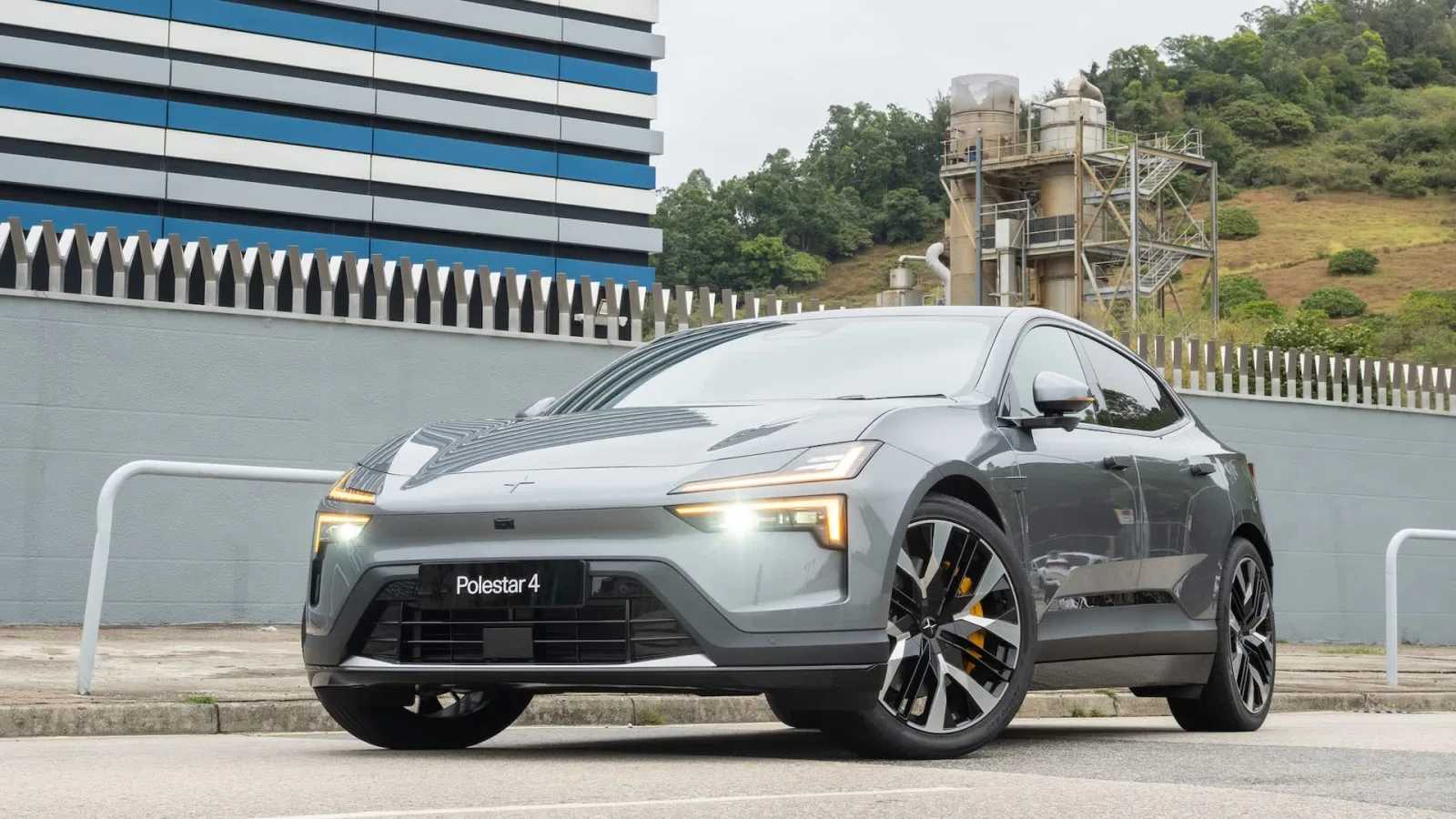
Polestar announced it will no longer be able to sell new vehicles in the United States beyond the current model year, citing a U.S. national security regulation targeting connected-car technologies linked to Chinese firms. This unexpected move has left Polestar’s 32 American dealerships scrambling, with dealers expressing frustration over the sudden disruption.
The restriction stems from a federal rule covering Bluetooth, Wi-Fi, cellular, and satellite functions within vehicles, which are considered part of national-security concerns. Polestar failed to obtain the necessary authorization from the U.S. Department of Commerce required for certification of its 2027 models and beyond. Although the regulation was first introduced under the Biden administration, it also remained in effect during the previous administration.

Dealers, who invested heavily in facilities and staffing anticipating continued sales, now face uncertainty as the brand transitions primarily to servicing existing customers. Polestar plans to sell off remaining inventory of the Polestar 3 and Polestar 4 models in the U.S. but will no longer introduce new vehicles past the current lineup. Franchise considerations and future investments are expected to be decided individually between dealerships and the company.
The decision has sparked debate, particularly since Volvo—a company with similar Chinese ties—reportedly received government approval to keep importing vehicles. This discrepancy has raised questions about consistent enforcement of national-security policies within the automotive sector.
Experts warn that removing an EV brand like Polestar from the American market could hinder the broader adoption of cleaner transportation. Reduced competition limits consumer choices, potentially slowing the transition away from fossil fuels and keeping EV prices elevated. Furthermore, the disruption impacts workers and local communities tied to Polestar’s retail network.
Electric vehicles are a critical component in cutting tailpipe emissions, improving air quality, and lowering household fuel expenditures. Polestar’s exit underscores challenges that global supply chains and national-security regulations pose for EV manufacturers operating across international markets.