

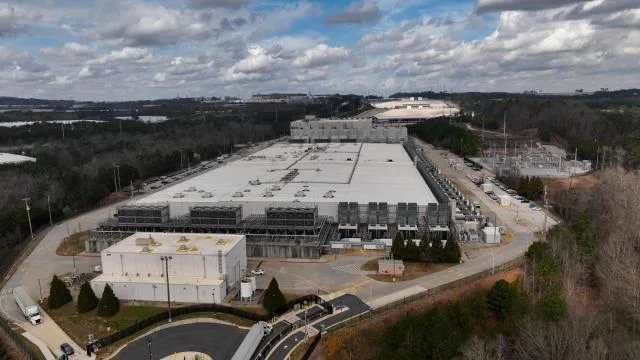
The environmental toll of artificial intelligence is emerging as a critical issue, with the United Nations Secretary-General António Guterres pressing AI companies to disclose the full scope of their resource consumption and pollution. Speaking at London Climate Action Week, Guterres introduced the AI Environmental Transparency Initiative, urging companies to quantify and publish data on their carbon footprint, water use, and land consumption linked to AI operations.
The demand comes amid increasing scrutiny over the rapid expansion of data centers, which serve as the backbone of AI technology but consume vast amounts of energy. Guterres emphasized that transparency is essential to avoid “hidden costs” transferred to vulnerable communities, calling on AI firms to commit to running their facilities using renewable sources like wind and solar by 2030.

Currently, the energy mix for global data centers remains heavily reliant on fossil fuels. According to the International Energy Agency, coal still provides about 30% of the electricity powering these centers, while renewables such as wind, solar, and hydro supply roughly 27%. Natural gas accounts for 26%, and nuclear energy covers 15%. Projections suggest that renewables will only meet half of the sector’s electricity demand within five years, even as AI-related power consumption grows sharply.
Data centers supporting AI already consume around 1.5% of global electricity, with expectations to nearly double that usage by 2030. This surge contributes significantly to greenhouse gas emissions, complicating broader commitments tech companies have made toward clean energy. Although major players like Amazon and Google have pledged to transition to cleaner electricity, regulatory hurdles and the sheer pace of AI deployment have made these goals challenging to achieve.
Despite concerns, Guterres highlighted that affected communities rarely receive clear information about the environmental consequences of nearby AI infrastructure. Increasing demands for transparency and uniform reporting standards are mounting globally, driven by governments and local entities impacted by data center expansion.
Beyond the challenges, proponents point to AI’s potential as a tool for advancing climate solutions, including improving energy efficiency and reducing pollution. However, a recent UN report warned that water, energy consumption, and emissions related to AI could double within four years, underscoring the urgency of managing the industry’s footprint responsibly.