

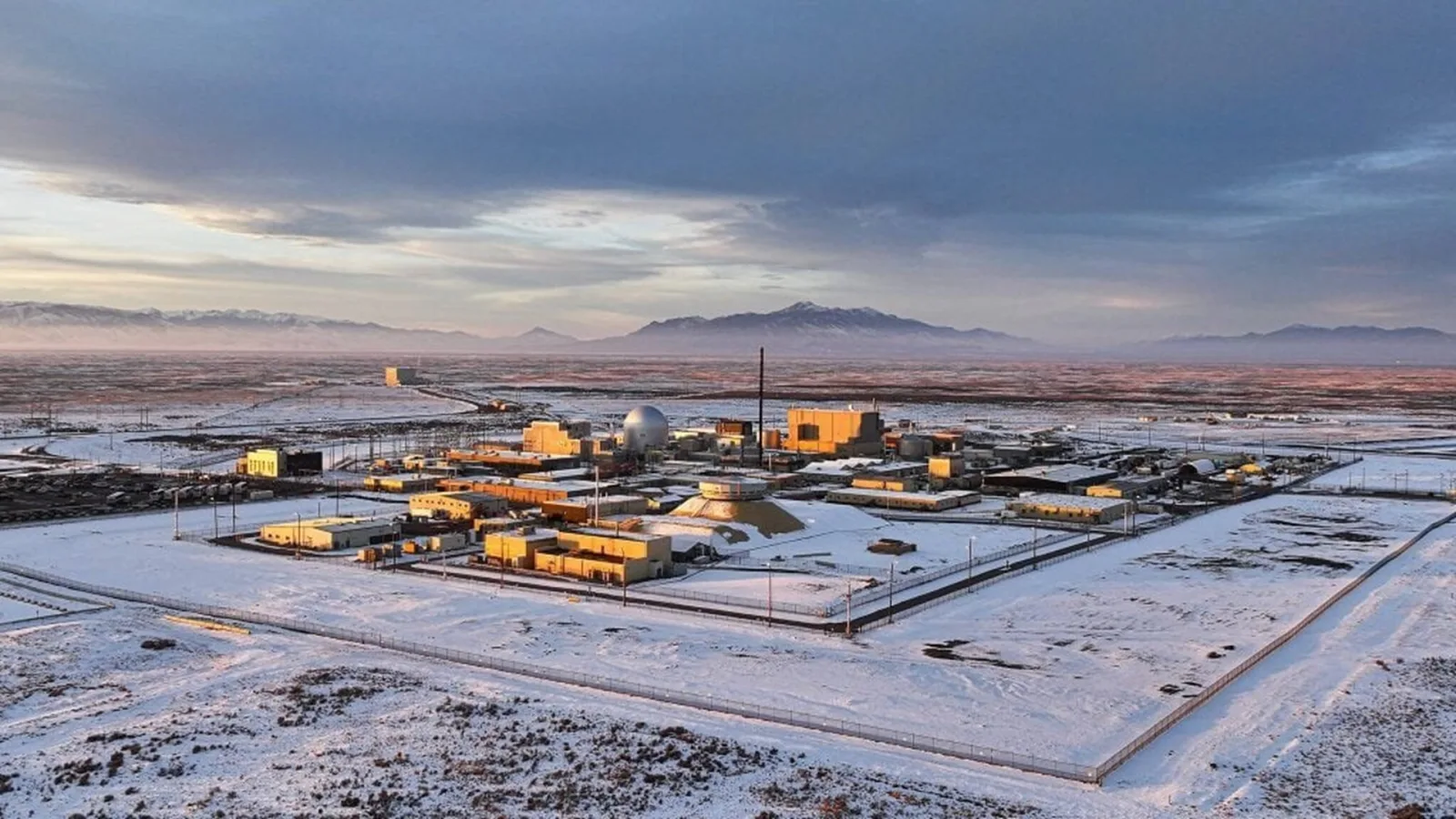
A microreactor developed by Houston-based Deployable Energy reached initial criticality at the Idaho National Laboratory’s National Reactor Innovation Center, achieving a key milestone before the upcoming Independence Day. The Unity demonstration microreactor attained a controlled, self-sustaining nuclear chain reaction in just 150 days, placing it among three reactors meeting the Trump administration’s goal to reach criticality before the nation’s 250th anniversary.
Unity is a compact nuclear battery designed to generate one megawatt of electric power. Its water-moderated, gas-cooled design aims to provide reliable, carbon-free energy to locations where traditional power infrastructure is unavailable, impractical, or vulnerable. Potential applications extend to remote communities, emergency response, defense operations, critical infrastructure, and industrial sites.

The reactor reached criticality through a full-scale core startup, enabling engineers to begin testing its physics, load-following capabilities, inherent safety features, and full-power operations. The data gathered will support efforts to validate the system, improve performance, and facilitate future licensing and commercialization.
This achievement marks the third US test reactor to reach criticality under the Department of Energy’s Nuclear Energy Launch Pad initiative. Energy Secretary Chris Wright praised the milestone as proof of a renewed focus on nuclear energy, linked to President Trump’s ambitious energy goals. The Idaho National Laboratory director highlighted the rapid pace of development as a major success for advanced nuclear technology in the United States.