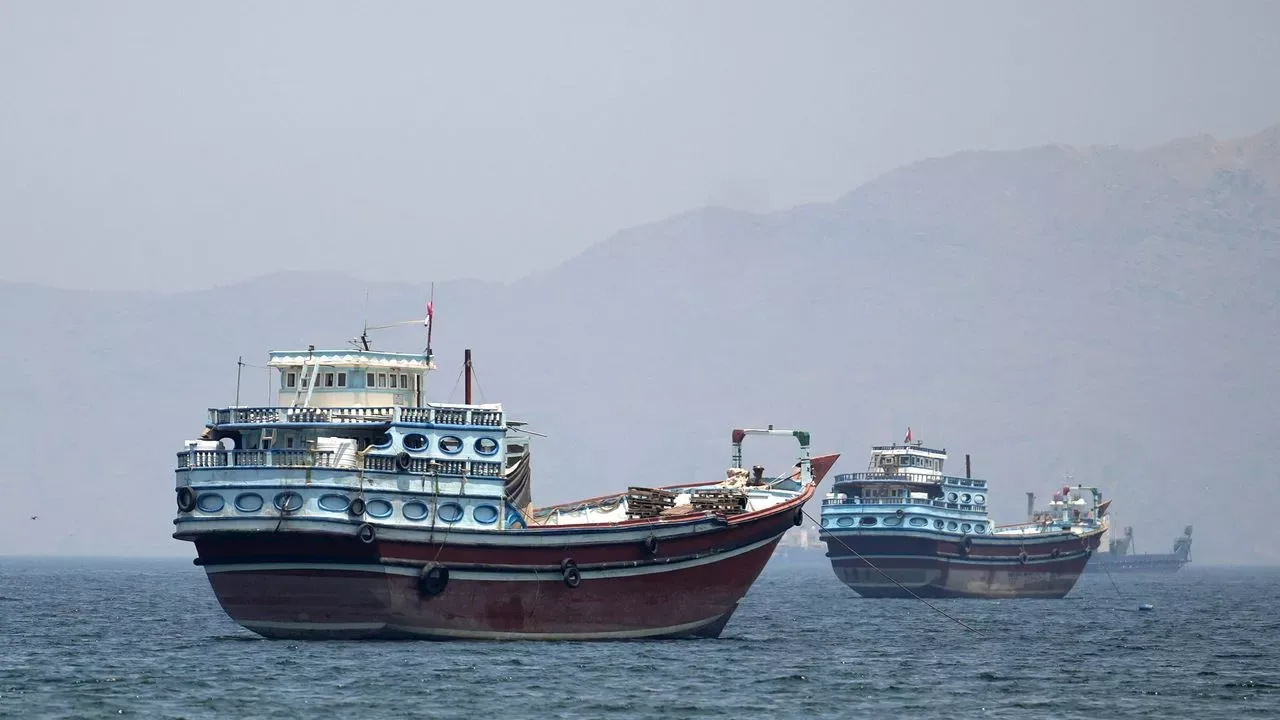
A northbound cargo ship came under attack off Sirik, Iran, east of the Strait of Hormuz on Sunday, according to the British military's United Kingdom Maritime Trade Operations center. All crew members were safe following the incident, which marks at least two dozen attacks in and around the strategically vital waterway in recent months. No group immediately claimed responsibility for the assault, the first reported in the area since April 22.
The attack occurred as Iran reviewed the U.S. response to its latest diplomatic proposal, according to Iran's judiciary news agency Mizan, citing Foreign Ministry spokesman Esmail Baghaei. Iran's 14-point proposal calls for the United States to lift sanctions, end its naval blockade of Iranian ports, withdraw forces from the region, and cease all hostilities—including Israeli operations in Lebanon. Tehran has emphasized that these discussions do not constitute nuclear negotiations.

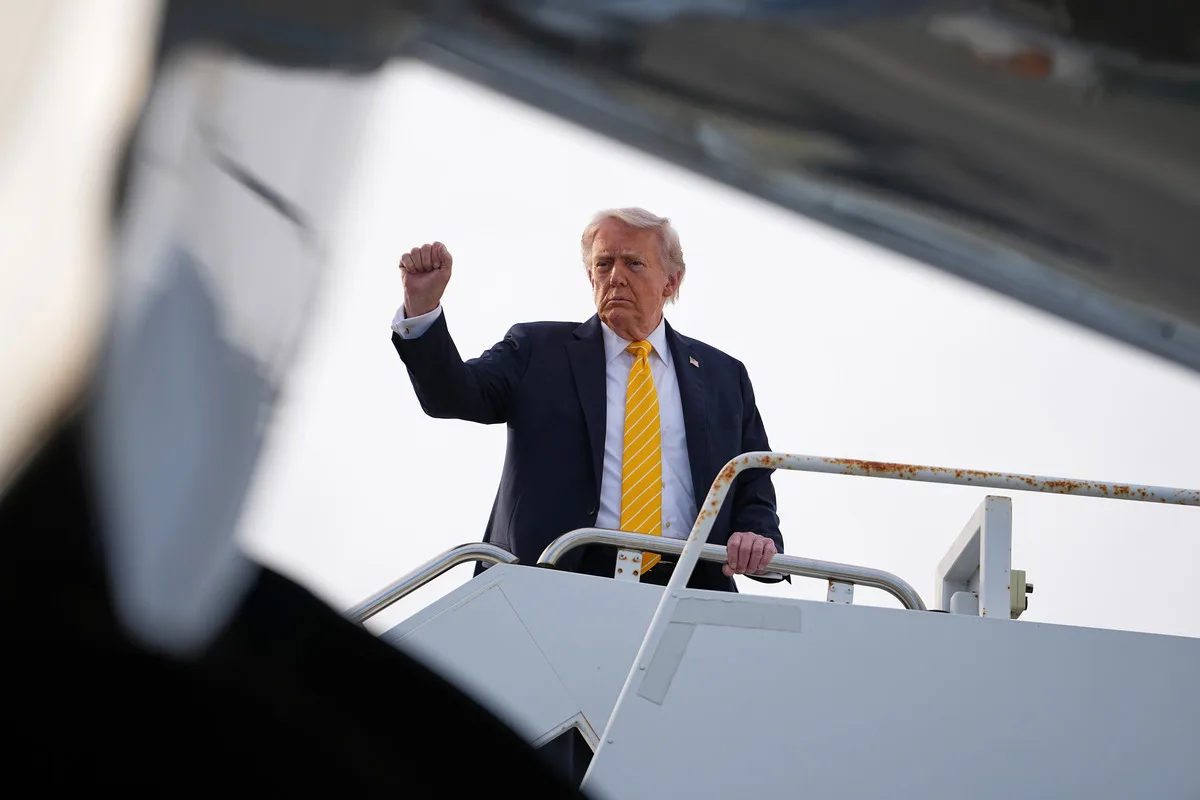
President Trump said Saturday he was reviewing the proposal but expressed skepticism about its prospects for a deal. "They have not yet paid a big enough price for what they have done" in the nearly 50 years since the Islamic Revolution, he stated on social media. Pakistan's prime minister, foreign minister, and army chief have continued encouraging direct dialogue between Washington and Tehran, according to two Pakistani officials speaking anonymously because they were not authorized to address the media.
Iran's control of the Strait of Hormuz, through which roughly one-fifth of the world's oil and natural gas trade typically flows, has rattled global markets since the conflict began on February 28. Iran's deputy parliament speaker said Sunday that Tehran would not reverse its position on the strait or return conditions to their prewar state. U.S. Treasury Secretary Scott Bessent told Fox News that Iran has collected less than $1.3 million in tolls from vessels transiting the waterway, a fraction of its former daily oil revenues. He added that Iran's oil storage is filling rapidly and the country could begin shutting in wells within a week.
Economic pressure on Iran has intensified. The rial weakened further against the dollar on Sunday, trading at 1,840,000 rials on Tehran's main currency exchange hub on Ferdowsi Street. Iranian media reports indicate that several factories have not renewed worker contracts following the Iranian new year in March, resulting in significant job losses. Yousef Pezeshkian, the son and adviser of President Masoud Pezeshkian, wrote on Telegram that both the United States and Iran view themselves as victors and remain unwilling to concede ground.
Iranian Foreign Minister Abbas Araghchi also spoke with Oman's Foreign Minister Badr al-Busaidi on Sunday, who had overseen previous rounds of talks before the war.