With the midterm elections months away, a convergence of political challenges is reshaping the electoral landscape for Republicans, according to political historian Nolan Higdon of UC Santa Cruz. The pressures stem from three distinct sources: deteriorating public support for military operations against Iran, a consequential Supreme Court ruling on redistricting, and widespread voter apathy in California's gubernatorial contest.
The Iran conflict has become a significant political liability. A recent poll shows American opposition to the war now matches levels seen during the final years of Vietnam, yet Higdon notes a crucial difference: the current conflict never benefited from an initial period of public support. "The public really was never sold on this war," Higdon said, pointing to confusion over the stated objectives. President Trump is reviewing an Iranian proposal to restart peace talks but indicated skepticism about its acceptability. Meanwhile, Iran's military leadership has suggested the window for negotiating on American terms has narrowed. Trump has stated his intention to maintain a Navy blockade of Iranian ports until the country makes nuclear concessions and reopens the Strait of Hormuz to international shipping.

A congressional deadline requiring administration approval to extend military operations passed without action. Defense Secretary Pete Hegseth argued the deadline did not apply because the conflict is technically paused. Higdon characterized the administration's measured response as reflecting a harsh reality: the United States cannot unilaterally control whether the conflict continues. Gulf States have begun resisting alignment with U.S. regional policy, complicating matters further. Rising domestic gas prices tied to the conflict leave Republicans with limited positive messaging ahead of November. "Politically, this is really a disaster," Higdon said. "There's no kind of positive about this war that Republicans can sell the public on."
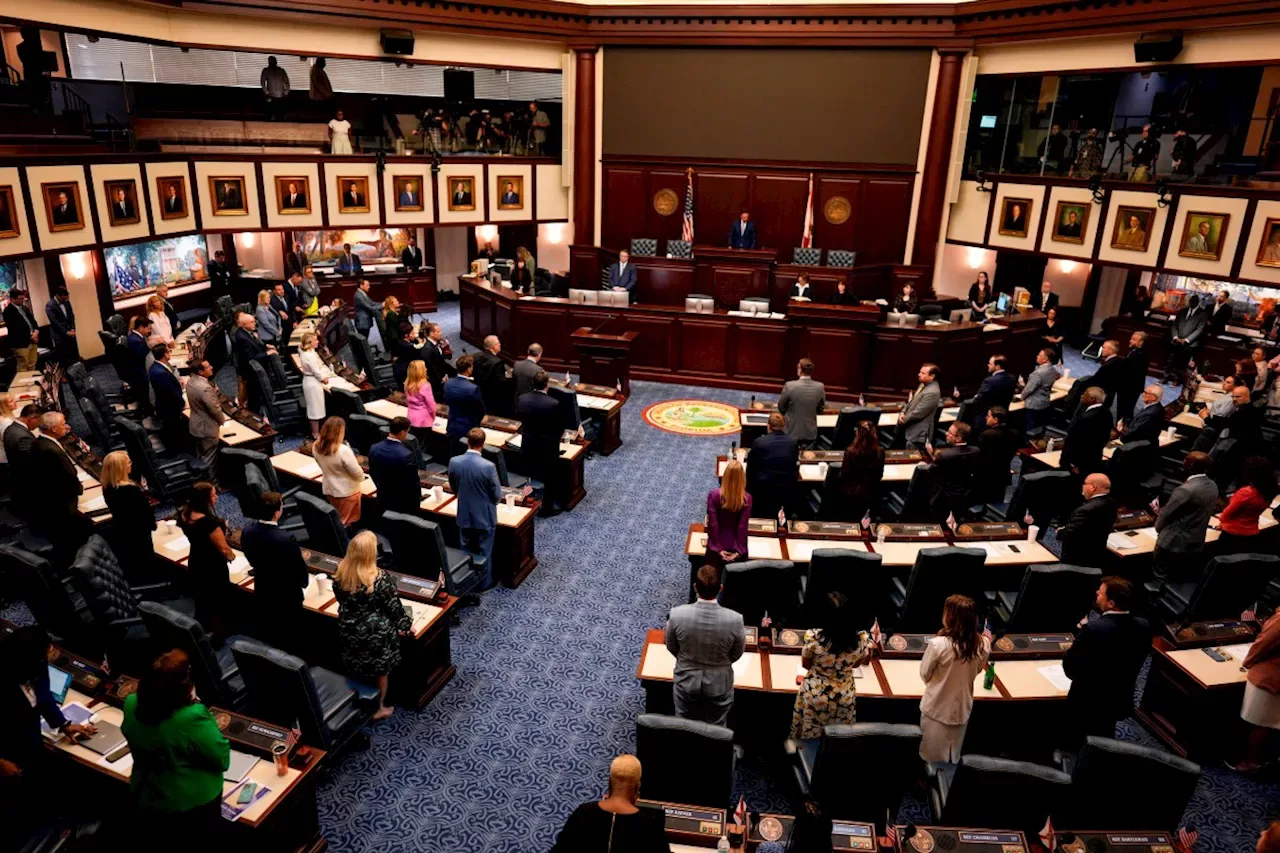
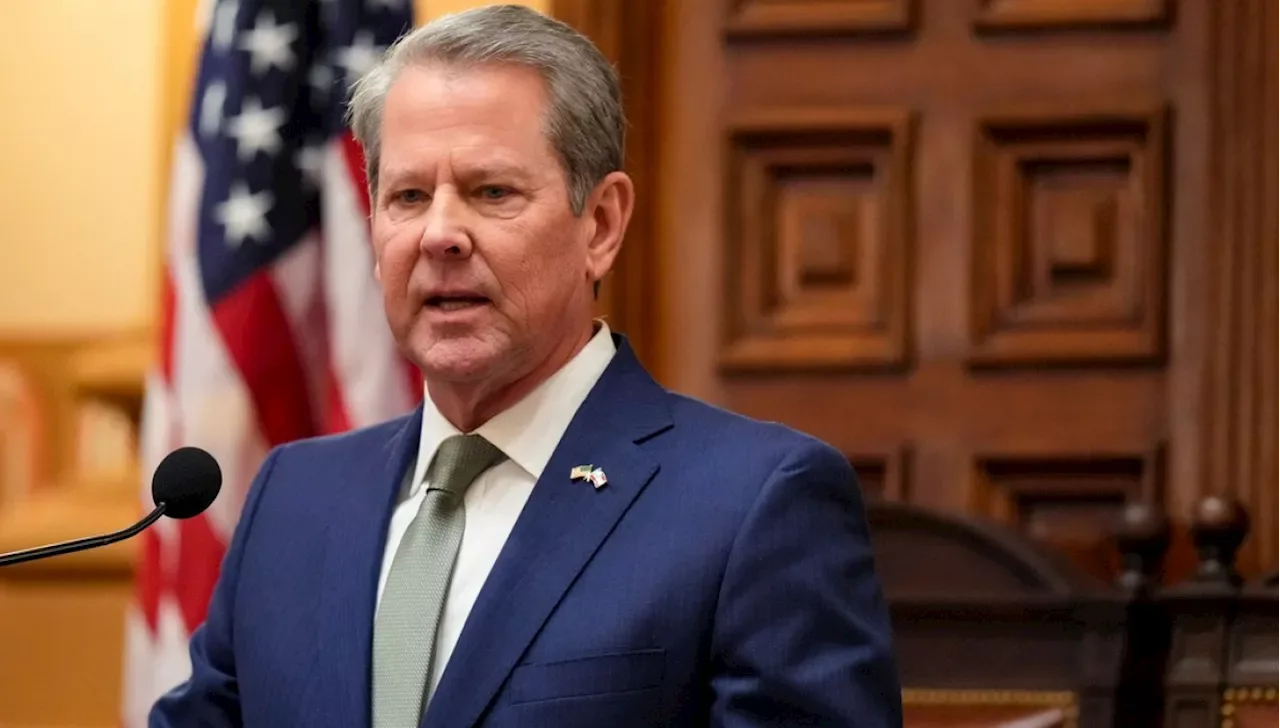
The political terrain shifted further this week when the Supreme Court ruled that minority-majority districts constitute unconstitutional gerrymandering. Louisiana, Alabama, and Florida quickly initiated redistricting efforts following the decision, with Tennessee and Georgia considering similar action. Higdon cautioned that Republicans may be miscalculating. Gerrymandering strategies depend on historical voting patterns, yet the political environment has shifted considerably since 2024. "Republicans are playing a really dangerous game here," he said. "It really depends on what the voters do in these new districts."
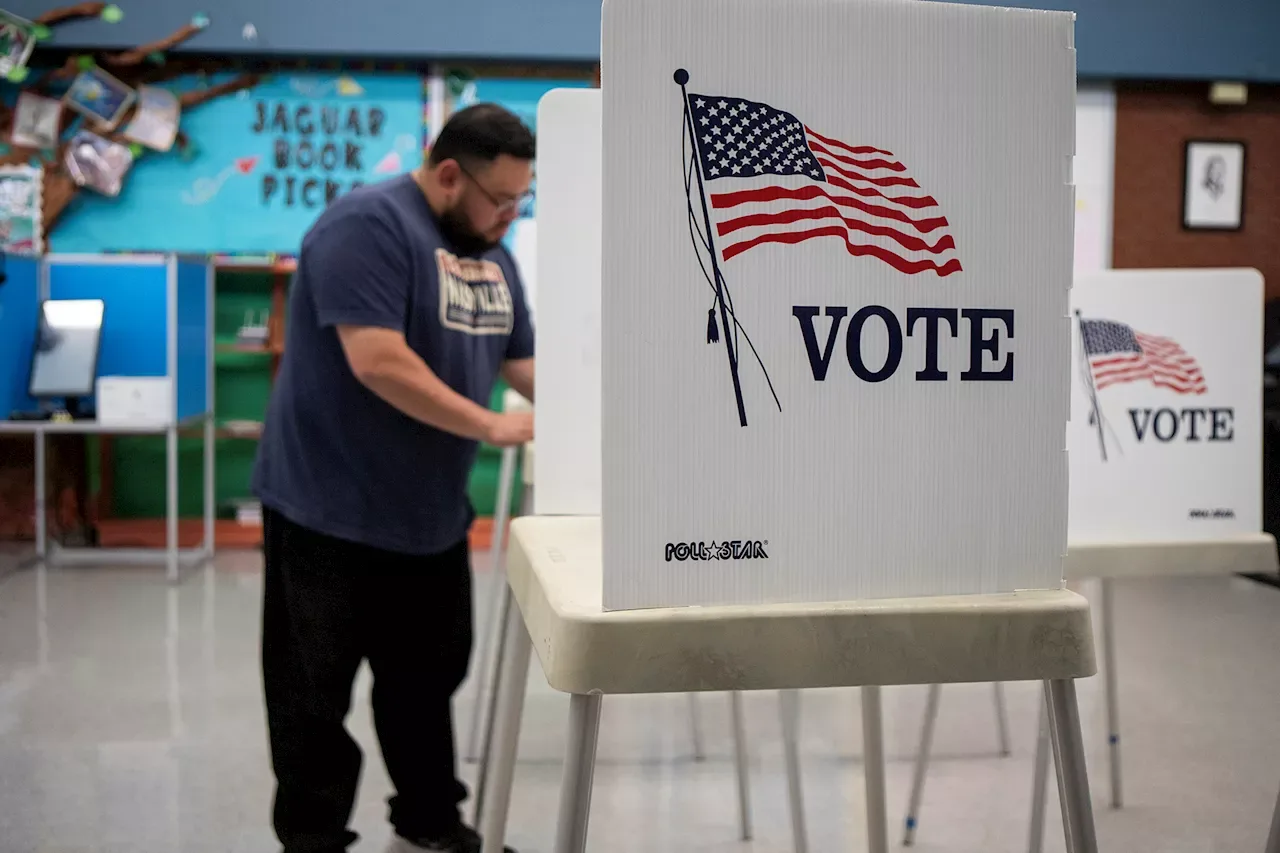
In California, the governor's race is generating apathy rather than engagement. Early voting begins this week, with approximately 25% of expected voters remaining undecided independents. The leading candidates include Tom Steyer, former Attorney General Javier Becerra, and conservative commentator Steve Hilton, with Riverside County Sheriff Chad Bianco trailing. Higdon expressed surprise at two candidates in particular: Steyer has consolidated backing from progressive organizations tied to the Bernie Sanders movement, an unexpected coalition for a billionaire; Becerra has surged in polling and spending since Rep. Eric Swalwell exited the race. With independents potentially deciding who advances to the general election, the outcome remains uncertain both in California and nationally. "It really illustrates that the state is kind of divided in how it sees its future," Higdon said.