Republicans in Congress passed a funding framework for ICE and Border Patrol last week, ending a 10-week lapse in Department of Homeland Security appropriations. The measure, which included $70 billion for both agencies, required no Democratic votes or input—a departure from standard legislative practice that has drawn sharp criticism from Democrats and government watchdogs.
To achieve this, Republicans invoked reconciliation, an arcane Senate procedure that allows bills to bypass the filibuster if they meet certain fiscal criteria. The move came after Democrats had refused to fund the agencies without reforms, including mandatory body cameras for agents, restrictions on warrantless home raids, and commitments to keep ICE and CBP away from election activities. Republicans rejected all such conditions, prompting the extended funding gap.

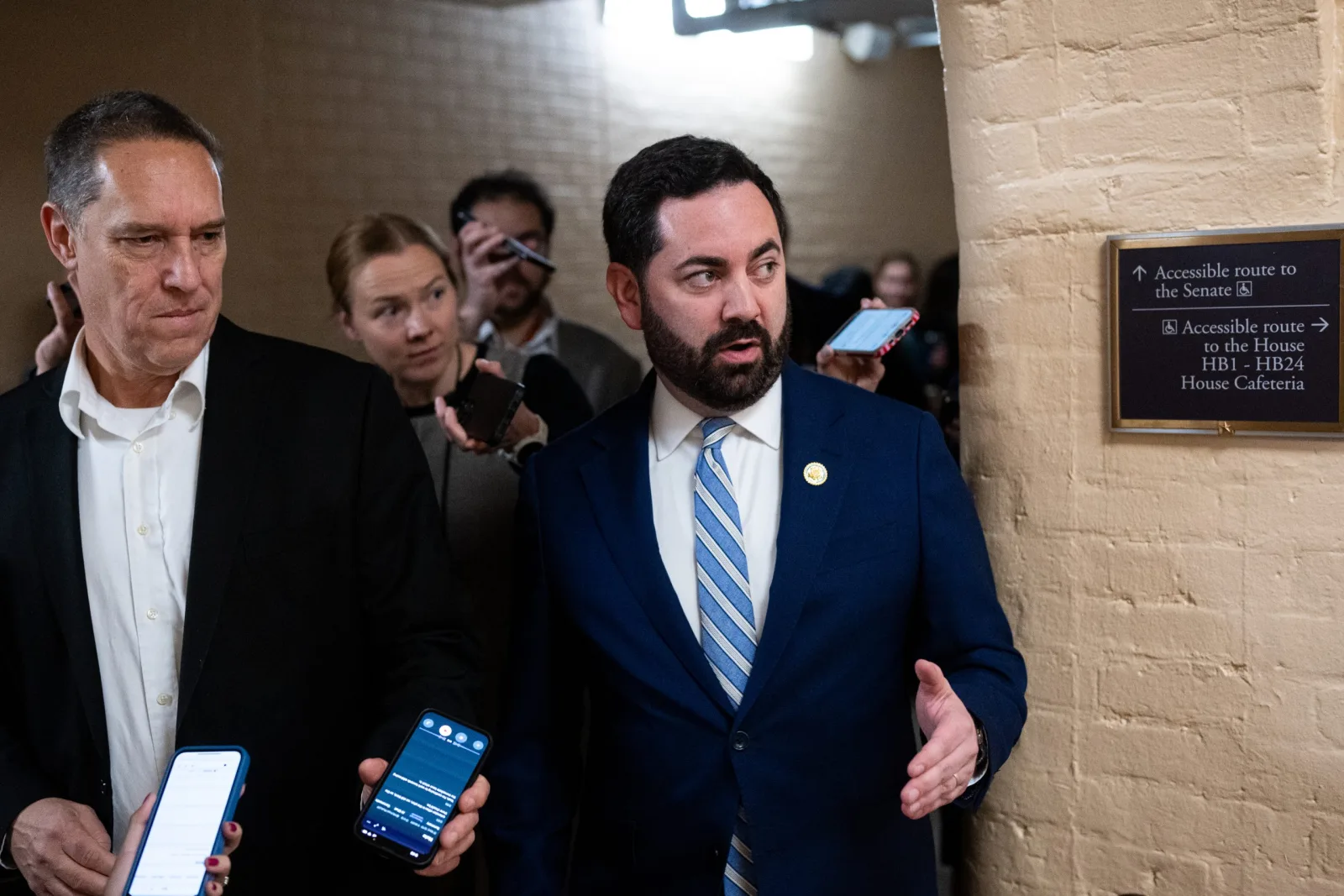
Republican Congressman Mike Lawler defended the funding level when questioned on Capitol Hill, responding to inquiries about the additional money—on top of nearly $140 billion previously allocated—by asking whether the questioner supported abolishing ICE entirely. He offered no detailed justification for the specific amount.
The framework has raised concerns about its potential use. Congressman Mike Flood suggested reconciliation could be deployed again for additional priorities, telling reporters: "This, for me, makes the case for reconciliation 3.0. We have to pay for the effort in Iran."
Under current Trump administration policies, federal immigration enforcement has intensified in Democratic-led cities including Los Angeles, Minneapolis, and Chicago. The Department of Homeland Security now holds a record 73,000 detainees, resulting from stricter policies that no longer permit recent immigrants to remain free while awaiting asylum hearings. The administration has characterized its approach as a "mass deportation" campaign.
Democrat Congressman Rob Menendez expressed concern that the $70 billion could be weaponized during upcoming elections. "I am worried they would use the $70 billion to have ICE and CBP in blue districts across the county to try to intimidate voters," Menendez said at a press conference, noting that preventing such electoral interference had been a core Democratic demand during shutdown negotiations.
Historically, Congress relied on regular order—a process established by the 1974 Congressional Budget and Impoundment Control Act—which mandated public hearings, testimony, and debate for individual agency appropriations. That system gradually eroded as partisan gridlock increased, replaced by continuing resolutions and omnibus spending bills negotiated in leadership offices rather than open committee sessions. Reconciliation, however, has never before been used for routine agency budgeting until now.
The procedural shift marks a significant departure from established practice. If Republicans can sustain this approach, critics warn it would allow one party to fund agencies unilaterally, without the participation or consent of the opposition or broader electorate.