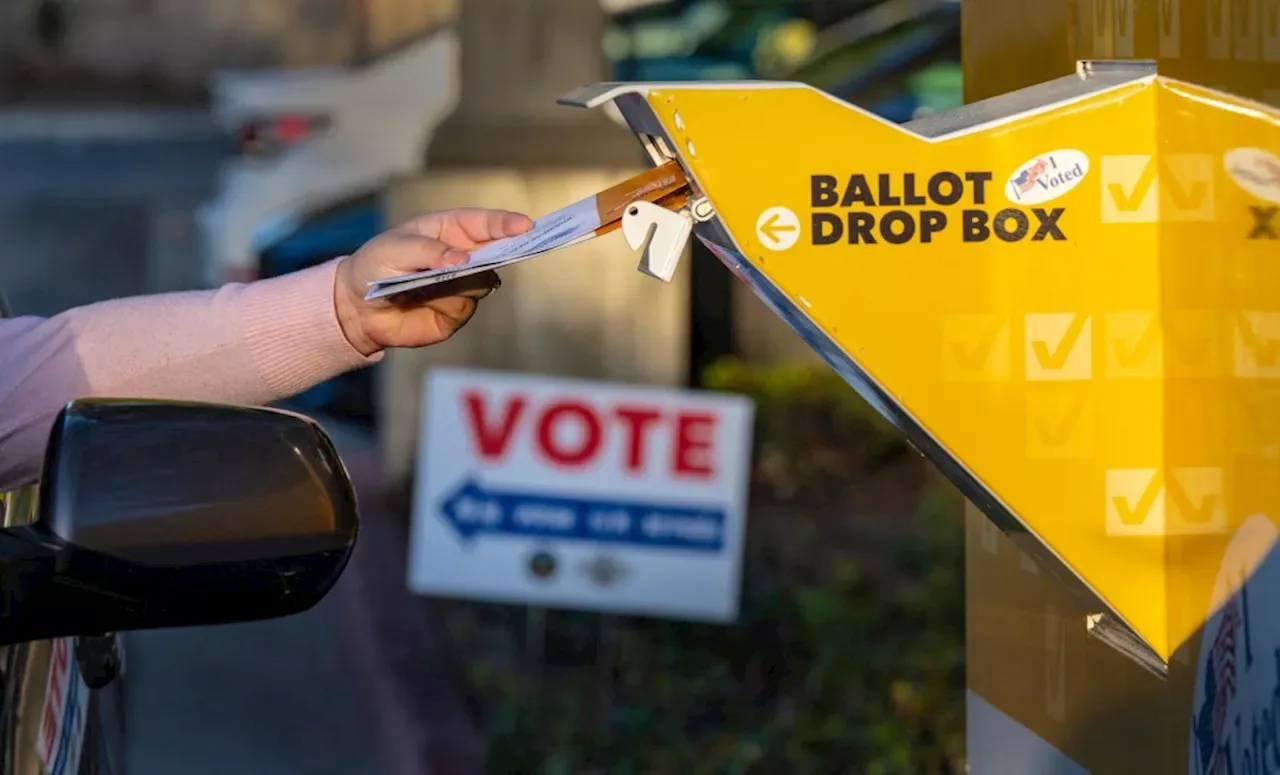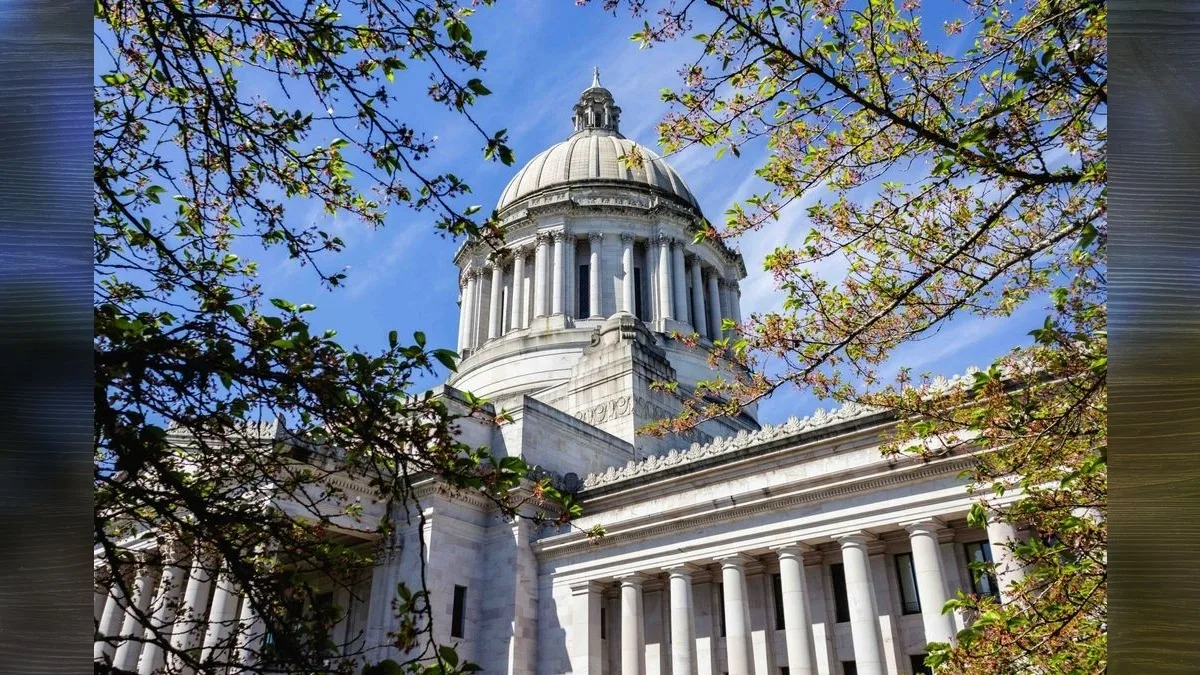
Candidate filing opens Monday in Washington, marking the formal start of an unusual midterm election season. State legislators, members of Congress, and judicial candidates can submit filings beginning at 8 a.m. Monday through 5 p.m. Friday, May 8, with all submissions handled through the Office of the Secretary of State. The primary election is scheduled for August 4, with the general election on November 3.
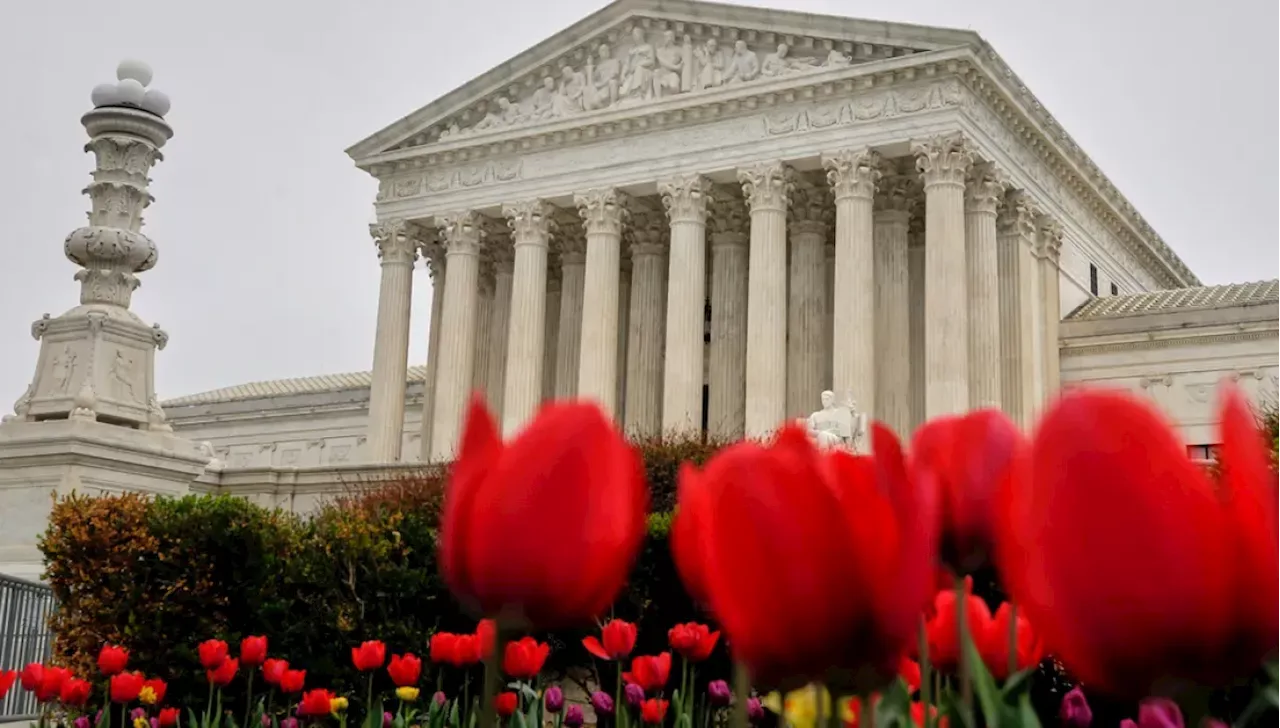
A contentious new income tax on high-earners will dominate much of the political conversation this cycle, particularly in state legislative races and judicial contests. The law, which supporters call the "millionaires' tax," will ultimately face scrutiny from the state Supreme Court, making the court races especially significant. Five of the nine state Supreme Court seats are on the ballot this year, including those of recent appointees Colleen Melody and Theo Angelis, who are seeking to retain their positions. Chief Justice Debra Stephens is the only incumbent justice running for re-election.

Competition within the same party will characterize several races this cycle. Multiple incumbent Democratic state lawmakers are facing primary challenges from fellow Democrats who view them as insufficiently progressive. All 98 House seats and 24 of 49 Senate seats are up for election in the state Legislature. The House will see significant turnover, with 14 open seats as representatives retire or pursue other offices. In the state Senate, five members are not seeking re-election.
At the federal level, nine of Washington's 10 U.S. House members are running for re-election. In the 4th Congressional District, Republican U.S. Rep. Dan Newhouse is retiring, leaving three well-known Republicans competing to advance through the primary. The 3rd Congressional District in southwest Washington will again be highly competitive. Two-term Democratic U.S. Rep. Marie Gluesenkamp Perez faces challenges from Republican John Braun, the state Senate minority leader, and fellow Democrat Brent Hennrich.
Washington employs a top-two primary system where the two candidates receiving the most votes in each race advance to the general election, regardless of party affiliation. This structure can create scenarios where two members of the same party face off in November.
Candidates for local offices should verify deadlines with their county auditor, as filing periods may differ from state and federal candidate deadlines.