

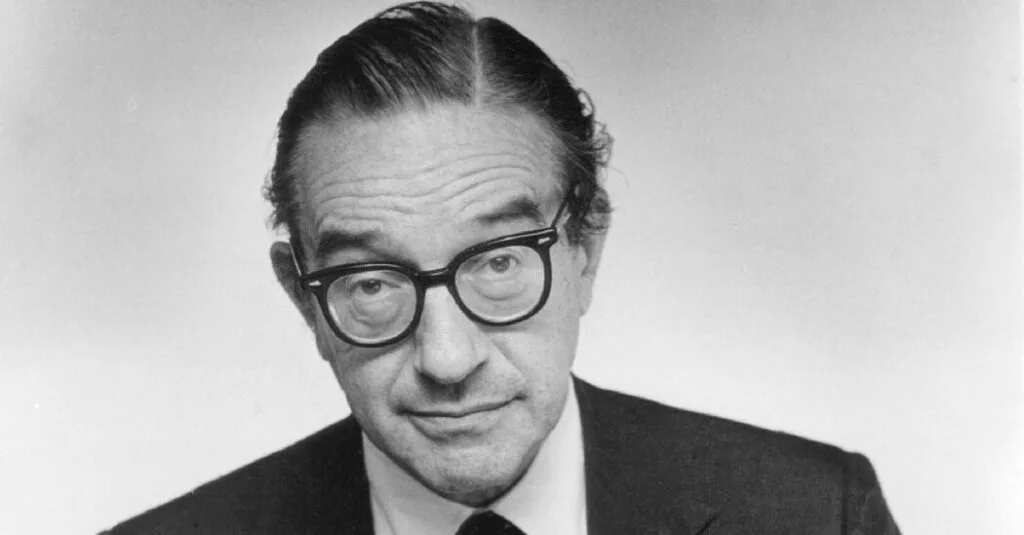
Alan Greenspan, the influential chairman of the U.S. Federal Reserve from 1987 to 2006, died at the age of 100. His passing, announced by his wife, Andrea Mitchell, marks the end of an era for American economic policy that spanned the administrations of four presidents from both major political parties.
During his tenure, Greenspan presided over a lengthy period of economic growth and relative stability, cultivating a market-friendly approach that emphasized deregulation, technological innovation, and free trade. His leadership helped define a vision of capitalism confident in the power of markets to raise living standards, particularly in the post-Cold War era.

However, Greenspan’s legacy remains complex and contested. His commitment to minimal regulation has been linked by some analysts to the vulnerabilities that surfaced in financial markets, including the deregulation of banking sectors and the emergence of asset bubbles in stocks and real estate. His policies also coincided with the offshoring of American jobs, raising concerns about the social effects of globalization and free trade agreements.
Throughout his nearly two decades at the Fed, Greenspan demonstrated a unique ability to manage both prosperity and crisis, maintaining the confidence of presidents and markets alike. His influence extended beyond traditional economic circles, making him one of the most widely recognized economists of his time.