

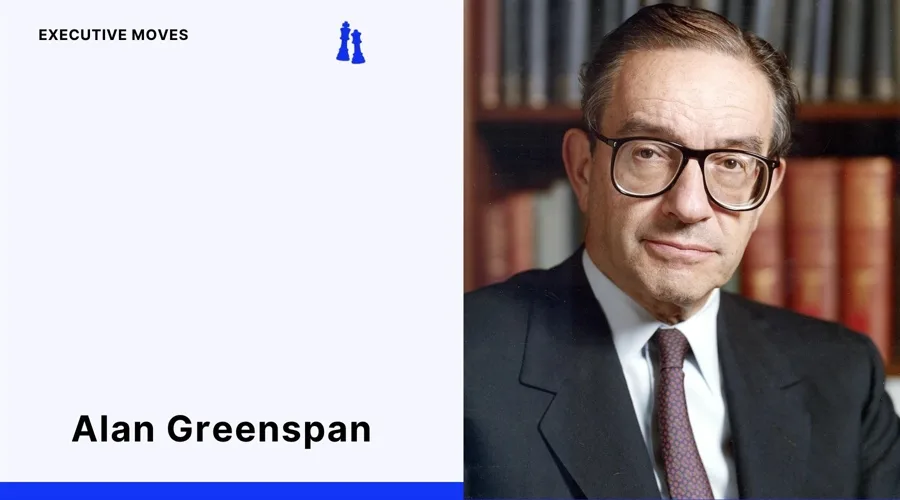
Alan Greenspan, one of the most influential figures in U.S. economic policy, passed away at the age of 100. During his nearly 20-year tenure as chair of the Federal Reserve, he guided the nation through significant periods of growth, low inflation, and market expansion, leaving a mark on global financial markets.
Greenspan led the Federal Reserve from 1987 to 2006 under four presidents, becoming one of the longest-serving central bank chairs in history. His public statements often moved currency and equity markets instantly as traders worldwide closely analyzed his words for hints of future policy changes. Notably, his 1996 reference to “irrational exuberance” is remembered for triggering sharp market reactions internationally.

The Federal Reserve credited Greenspan with enhancing the credibility of monetary policy and maintaining price stability throughout a prolonged economic expansion during the 1990s. His disciplined analytical approach helped build public confidence that the institution relies on today.
Despite praise, Greenspan’s legacy remains contested. Critics argue that his endorsement of financial deregulation contributed to the systemic vulnerabilities that culminated in the global financial crisis of 2007–2008. Greenspan himself later acknowledged some policy mistakes, highlighting the complexities of managing modern economic systems.
Greenspan’s death was confirmed by his wife, NBC News correspondent Andrea Mitchell. He died at home due to complications from Parkinson’s disease, closing the chapter on a career that shaped monetary policy and global markets across multiple political and economic eras.