

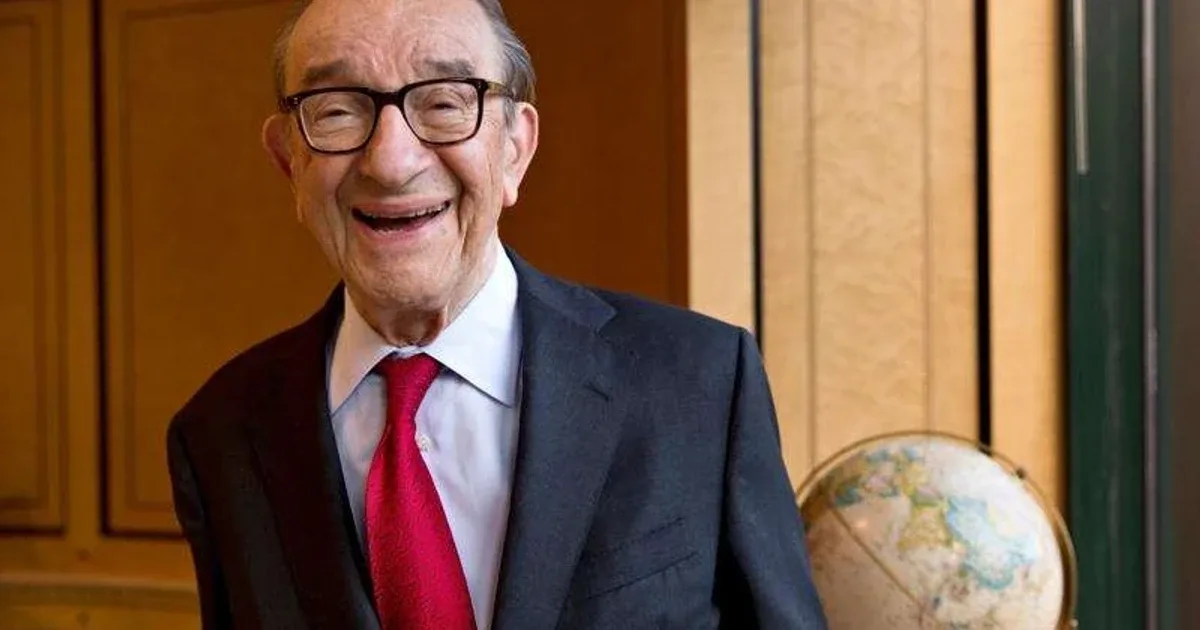
Alan Greenspan, the influential economist who chaired the Federal Reserve from 1987 to 2006, died at his Washington home due to complications from Parkinson’s disease. His tenure, spanning five terms and four presidents, marked an era of significant economic change and ongoing debate over the role of monetary policy and financial regulation.
Greenspan first rose to national prominence with his cautious management of inflation and economic growth during the period known as the Great Moderation, characterized by sustained low inflation and stable expansion. However, he also became known for his cryptic and nuanced public statements—dubbed "Fedspeak"—which often kept markets guessing. His phrase “irrational exuberance,” used in a 1996 speech to warn of asset bubbles, has since become a defining warning about speculative risk in the markets.

While many credited Greenspan with steering the economy through volatile times and fostering a period of relative calm, his legacy remains controversial. Critics point to his strong belief in deregulation and minimal oversight of financial institutions, as well as his preference for low interest rates, arguing these policies contributed to the vulnerabilities that triggered the 2008 financial crisis. These critiques continue to influence contemporary discussions about central bank responsibilities and regulatory frameworks.
Greenspan’s academic background included economics studies at New York University and advanced work at Columbia University under Arthur F. Burns, a previous Federal Reserve chair. His career bridged the Cold War into the digital era, influencing debates on monetary policy approaches, including how aggressively to combat inflation and the extent to which markets require regulation to ensure economic stability.