

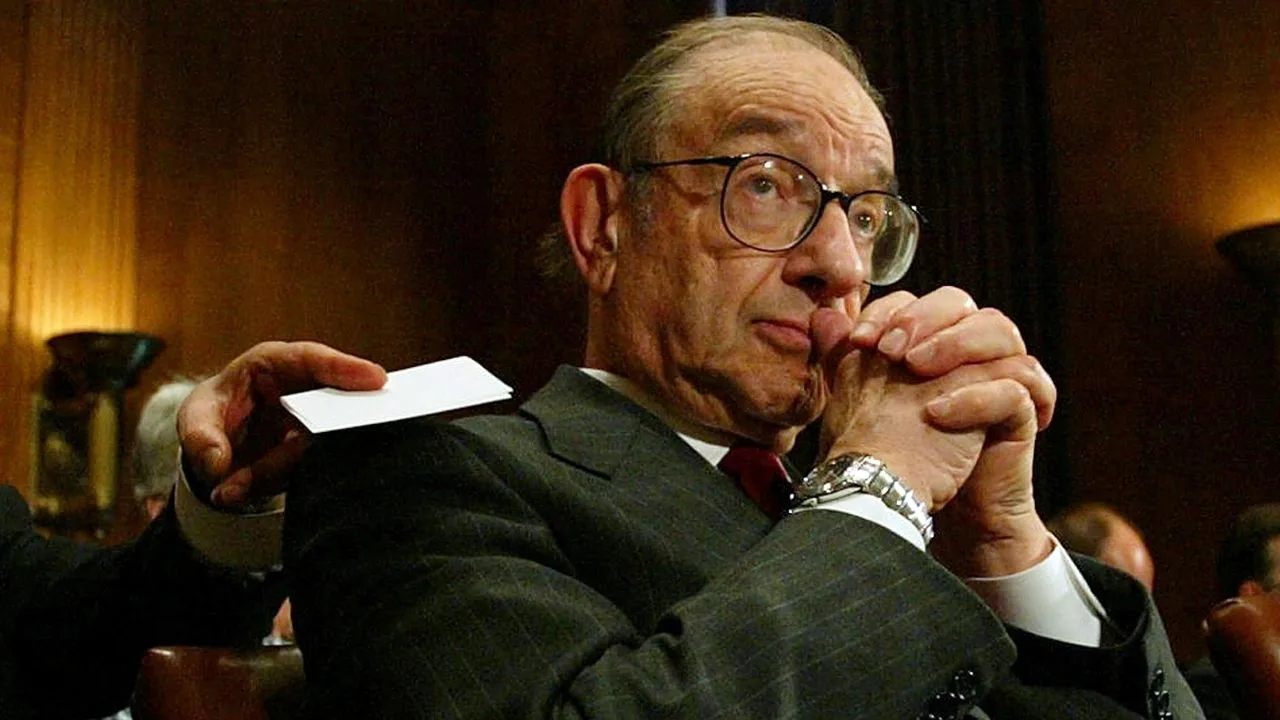
Alan Greenspan, who led the Federal Reserve for almost 20 years, passed away at 100 due to complications from Parkinson’s disease. His tenure, spanning from 1987 to 2006, was marked by sustained economic growth, financial upheavals, and significant influence on market-oriented policies.
Serving under four presidents from both major parties, Greenspan became a central figure in American capitalism’s post-Cold War era. He championed the power of markets, embraced technological progress, and favored deregulation, believing these forces would enhance living standards. However, his policies also coincided with controversial outcomes, including deregulation that some link to financial instability, offshoring of jobs, and recurring concerns about asset bubbles in stocks and real estate.

Greenspan was widely regarded as effective in controlling inflation, which he viewed as a primary responsibility of the Fed. During his leadership, he also guided the economy through significant shocks, such as a major stock market crash shortly after he took office, the turmoil in Asian financial markets, and the economic fallout from the September 11 attacks.
Despite managing interest rates to sustain growth, Greenspan expressed caution about the risks posed by prolonged low inflation and easy credit, which could spur unsustainable investment booms. Nonetheless, he hesitated to impose strict oversight on emerging complex financial instruments and banking practices. Critics later argued that this reluctance contributed to vulnerabilities that led to the 2008 financial crisis.
After retiring, Greenspan’s legacy faced intense scrutiny. Some blamed him for not raising interest rates sooner to deflate the housing bubble, while others criticized his adherence to free-market principles that allowed risky behavior in the financial sector. The crisis and its aftermath challenged the perception of Greenspan as a steward of economic stability.