

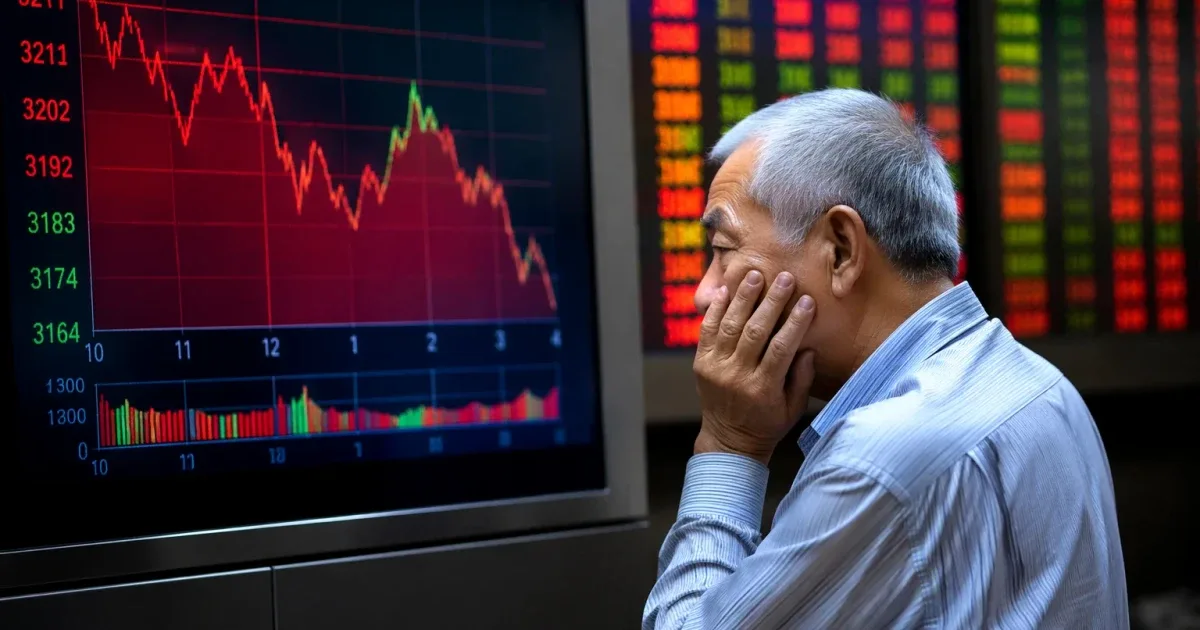
Asian shares fell as oil prices climbed and investors recalibrated expectations for Federal Reserve policy tightening. Brent crude rose slightly to $78.03 a barrel, reflecting renewed concerns about global supply stability and geopolitical risks. This shift in commodity prices coincided with traders pricing in a significant chance of multiple Fed rate hikes by year-end, impacting markets across the region.
The probability of at least two quarter-point increases in interest rates now stands above 50%, a sharp jump from around 15% just a week earlier. This reversal signals a growing market consensus that the Fed will maintain a stricter monetary stance for longer, fueling concerns over borrowing costs for consumers and businesses alike. The stronger dollar, nearing its highest level since May 2025, and a weaker yen have added pressure on import expenses, especially in Japan.

Higher interest rates and rising oil prices create a dual strain on everyday finances. Elevated crude prices push up gasoline and transportation costs, while persistent rate hikes increase costs for mortgages and credit cards. These factors also weigh on investment portfolios, as fixed-income assets become less attractive and equity valuations show signs of caution, affecting retirees and savers.
Regionally, markets showed mixed reactions to these developments. Japan’s Nikkei 225 retreated despite solid manufacturing growth and a surge in new orders. South Korean equities decreased notably, contrasting with a strong opening from Taiwanese stocks, which hit record highs. Market analysts observed a rotation away from high-growth sectors like artificial intelligence toward more stable, cash-generating industries reflecting increased investor risk aversion.
Geopolitical tensions continue to influence oil dynamics. After a recent drop following tentative progress in U.S.-Iran negotiations and assurances on the security of the Strait of Hormuz, oil prices rebounded amid doubts over the durability of any agreement. Reports indicate a memorandum of understanding between the U.S. and Iran remains unsigned and excludes Israel, maintaining an element of uncertainty in global supply chains.
For consumers and investors, this environment means ongoing challenges. Rising oil costs and interest rates can simultaneously increase living expenses and borrowing costs while putting pressure on financial returns, highlighting the interconnected impact of global markets on everyday economic conditions.