

As inflation impacts everyday expenses like rent and groceries, many Democrats are abandoning the policy-heavy language of the Obama era in favor of a more aggressive tone that directly addresses voters’ economic anxieties. The shift reflects a move from technocratic problem-solving toward a populist critique focusing on the struggles of working families and the influence of wealthy elites.
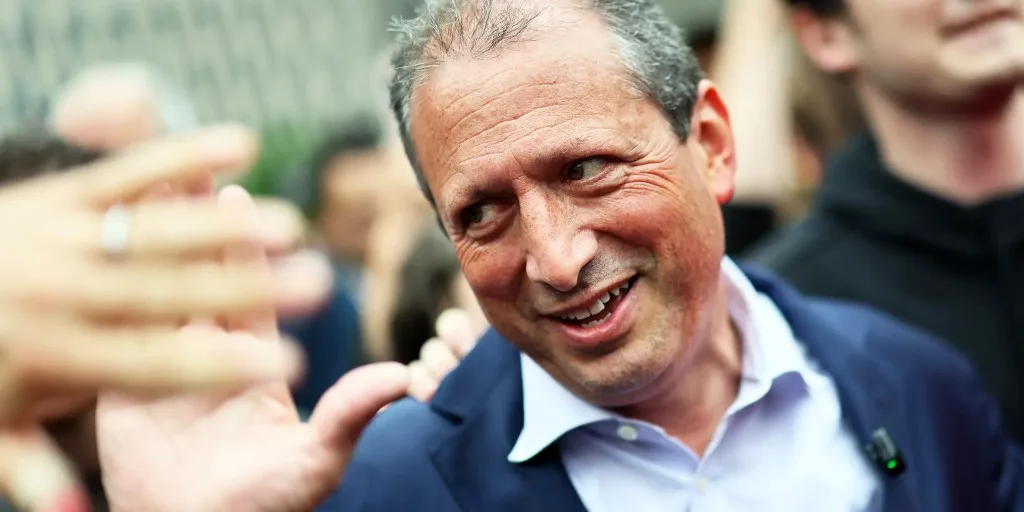
This transition is exemplified by figures like Brad Lander, who once framed affordable housing as a complex policy challenge, now using combative rhetoric targeting political opponents and corporate interests. His campaign language highlights daily economic pressures and blames entities such as Wall Street, big tech, and billionaire philanthropies, emphasizing the need to “fight” systemic injustices. Lander’s emergence mirrors a broader trend within the Democratic Party as it recalibrates its message amid inflation and political polarization.

Democrats’ rhetorical evolution also stems from the realities of the Trump era, including a conservative Supreme Court, failed presidential bids, and growing voter disillusionment. Inflation has been a key catalyst, undermining the traditional narrative that economic growth and innovation benefit all Americans. Instead, the focus has shifted to concrete burdens like rent payments and prescription drug costs, areas where voters feel financial pressure most acutely.
Earlier attacks on specific corporate practices—such as President Biden’s criticism of pharmaceutical companies and hidden fees by airlines or Kamala Harris’s charges of grocery store “price gouging”—have expanded into a more comprehensive strategy. Across the party, leaders including Senate Majority Leader Chuck Schumer invoke “corporate greed” as a central theme, solidifying this populist framing.
This rhetorical realignment echoes independent Senator Bernie Sanders’ long-standing focus on the “billionaire class” and economic inequality. By centering political discourse on monthly expenses instead of abstract economic metrics like GDP or stock market performance, Democrats aim to connect more directly with voter frustrations and reshape the party’s economic narrative.