

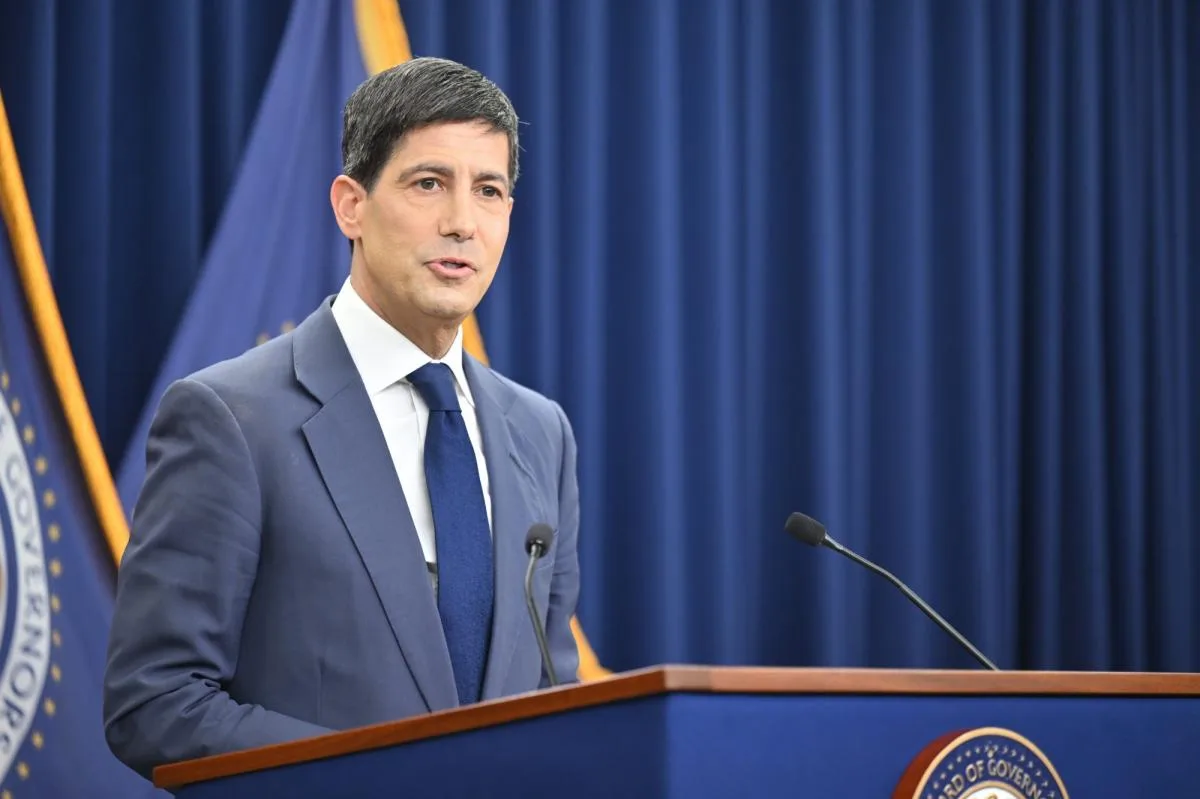
Kevin Warsh’s first week as Federal Reserve Chair has dismantled widespread assumptions that he would act as a political proxy for President Trump. Contrary to fears from many Senate Democrats who opposed his nomination, Warsh quickly demonstrated independence by maintaining interest rates amid ongoing inflation pressures and rejecting calls to lower rates for political benefit ahead of midterm elections.
Warsh, known for his hawkish stance on inflation, signaled a clear departure from previous Fed leadership that often gave markets extensive forward guidance. His initial Federal Open Market Committee (FOMC) meeting was brief, and his subsequent press conference emphasized that monetary policy decisions will rely strictly on economic data, not political considerations or speculative forecasts.

This approach contrasts with his predecessor’s strategy, which was criticized for overreliance on opaque predictive models like the Phillips Curve, assuming an inevitable inflation-growth trade-off. Warsh openly questioned the validity of these models and called for reform in the Fed’s analytical framework. By prioritizing concrete numbers over forecasts or political sentiment, Warsh aims to restore focus on price stability without the distractions of market signaling or partisan pressures.
The Fed chair’s stance also starkly separates him from critics like Senator Elizabeth Warren, who doubted his independence based on his Trump appointment, despite their party’s earlier tolerance of inflation under the previous administration’s expansive fiscal policies. Warsh’s commitment to remain “his own man” suggests a renewed emphasis on the Fed’s core mandate: controlling inflation to protect the real wages and purchasing power of American workers.