

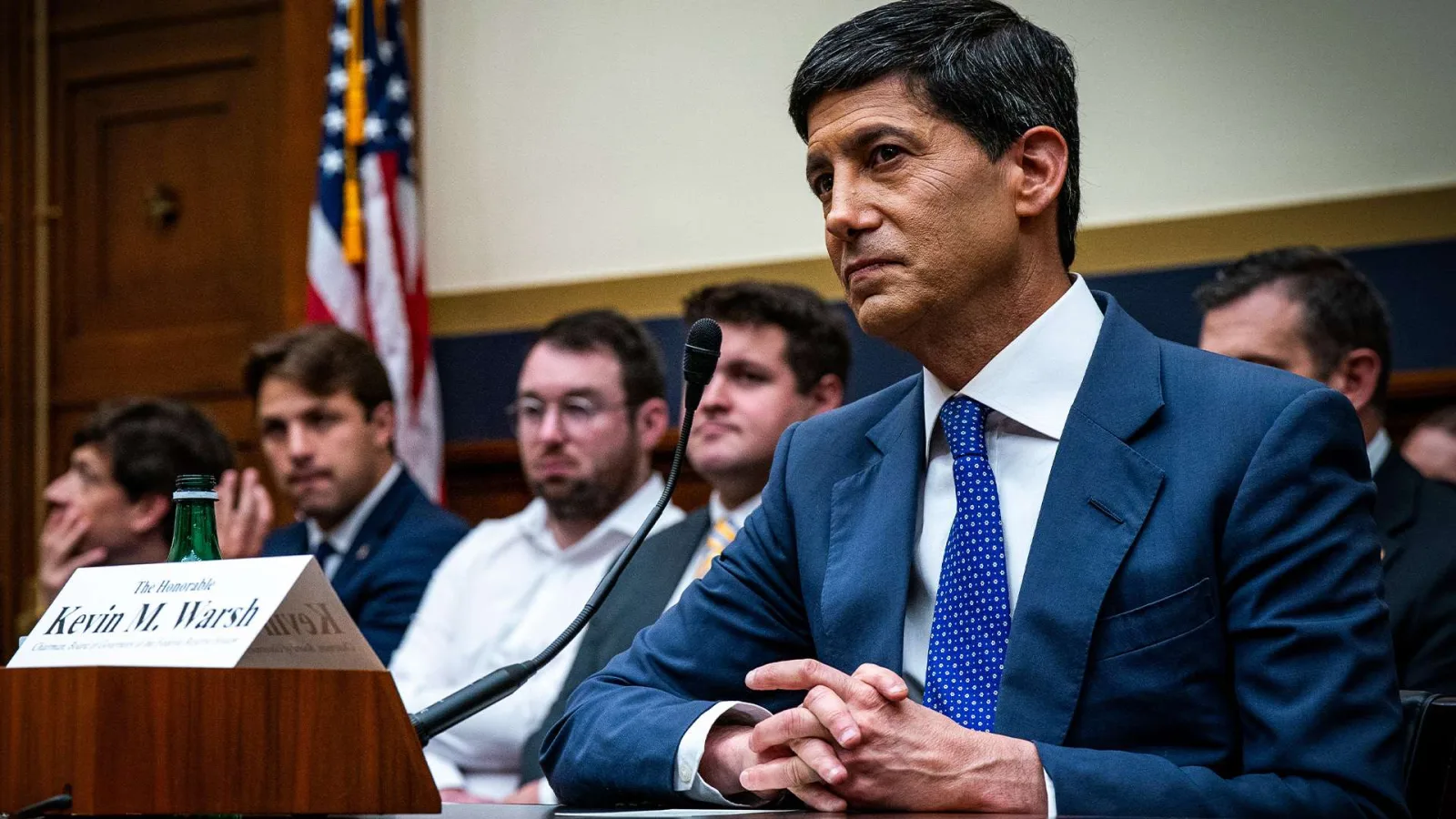
The Federal Reserve under new leadership is confronting a complex economic environment where inflation remains a central concern despite recent signs of easing. New Fed Chairman Kevin Warsh emphasized the committee’s unyielding commitment to restoring price stability, though he refrained from detailing specific policy moves during his congressional testimony. His remarks signal readiness to act should inflation indicators worsen.
Recent inflation data offered mixed signals. The Consumer Price Index showed a notable decline in June, largely driven by falling energy costs following a temporary cease-fire in the ongoing conflict involving Iran. Core inflation, which excludes food and energy, also decreased more than anticipated, providing some optimism that inflation pressures are easing. However, economists and Fed officials caution that these numbers may not fully reflect the reality on the ground as geopolitical tensions threaten to push energy prices back upward.

Energy markets have been particularly volatile due to uncertainty in the Gulf region. The temporary truce that lowered oil prices has unraveled with renewed military strikes targeting Iran’s infrastructure, prompting concerns about disruptions along critical shipping routes such as the Strait of Hormuz and the Gulf of Aden. These strategic chokepoints are essential for global oil supply, and escalating instability could exacerbate energy costs, complicating the Federal Reserve’s inflation fight.
Economic analysts highlight that the improved inflation figures hinge heavily on volatile energy components, warning against complacency. The risk that rising energy prices might soon reverse recent gains keeps the prospect of interest rate hikes on the table. Federal Reserve economists remain alert to incoming data, prepared to adjust monetary policy as needed to prevent inflation from becoming entrenched.
The U.S. military’s increased operations against Iranian targets aim to curtail attacks on commercial shipping, but also contribute to the fragile geopolitical backdrop impacting markets. As economic and political pressures intertwine, the Federal Reserve faces a delicate balancing act to maintain confidence and control inflation without destabilizing growth.