

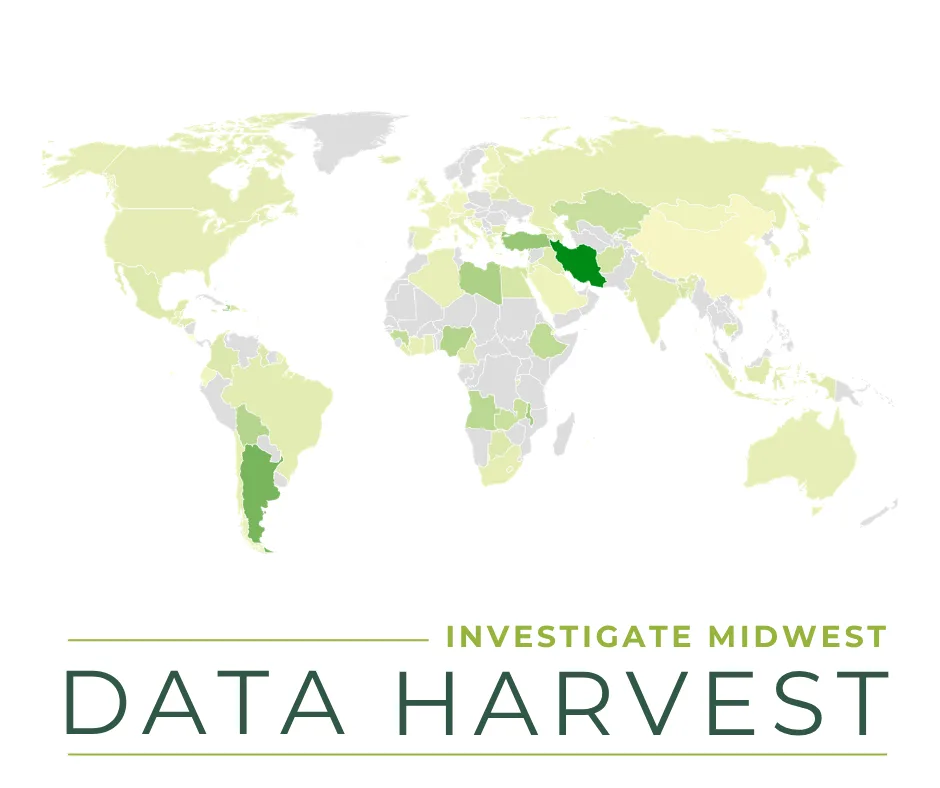
Food inflation in Western countries has moderated recently, with U.S. grocery prices rising at a slower pace compared to previous years. According to May data from the U.S. Bureau of Labor Statistics, food prices increased by 3.1% over the past year, far less than the near 10% spikes seen during earlier supply chain disruptions.
In contrast, several emerging economies continue to experience severe increases in food costs, driven by a mix of economic instability, geopolitical tensions, and adverse weather patterns linked to climate change. Countries such as Iran, Argentina, and Turkey have recorded some of the highest annual inflation rates for food prices, exceeding 25%, according to data compiled by the United Nations Food and Agriculture Organization (FAO) and national sources.

Global food commodity prices have risen by 2.9% during the last year, but these headline figures mask dramatic disparities in affordability. The FAO warns that in many low-income countries, the cost of a healthy diet now surpasses average incomes, placing nutritious food beyond the reach of billions.
The FAO director-general emphasized that tackling food insecurity requires more than increasing production. Policies must focus on social protection, income support, and initiatives to reduce prices for fruits, vegetables, and protein sources to ensure healthier diets become attainable around the world.