

India’s headline inflation is forecast to average around 5.6 percent in fiscal 2027, driven primarily by increases in food and fuel prices influenced by energy shocks and adverse weather conditions. Despite these pressures, the Reserve Bank of India (RBI) is expected to pursue a cautious monetary tightening, with no interest rate hike exceeding 50 basis points likely this year.
A recent report from HSBC Global Investment Research anticipates that the RBI will implement a shallow rate hiking cycle, consisting of two incremental hikes during the third and fourth quarters of calendar year 2026. This would raise the repo rate to 5.75 percent. The central bank is expected to treat some of the inflationary push as temporary, particularly those related to external shocks such as energy costs and El Niño-induced weather disruptions.

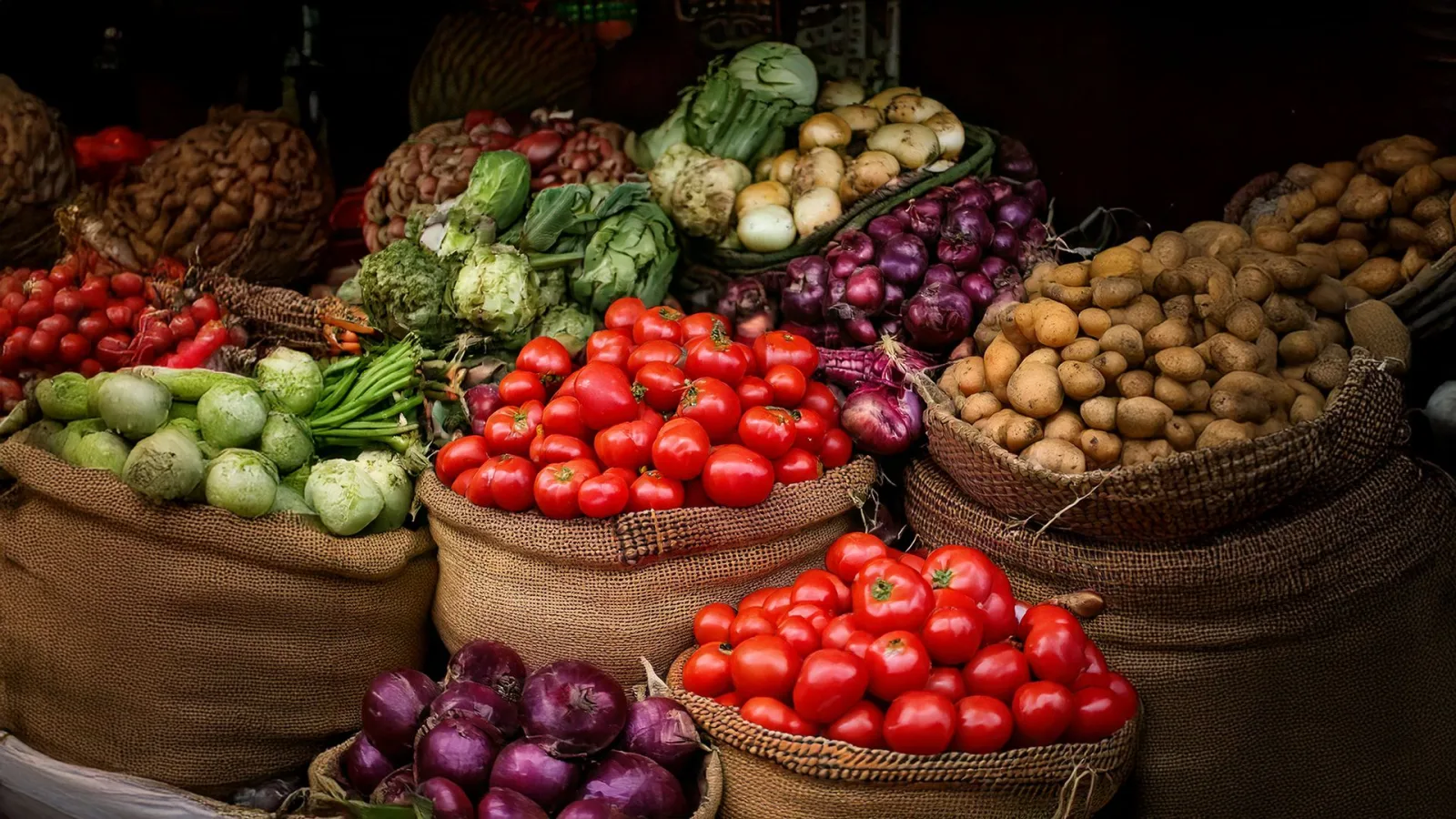
May’s Consumer Price Index (CPI) data showed inflation rising to 3.9 percent year-on-year, up from 3.5 percent in April, with month-on-month inflation accelerating to 0.5 percent. The data shows that non-food goods inflation remains elevated at 5.1 percent annually, while services inflation registers a more moderate 2.1 percent. Food inflation increased notably as well, fueled by heatwaves that drove up prices of key vegetables including tomatoes, chillies, and cabbage. Fruits, edible oils, and spices also experienced significant price hikes in sequential terms.
The report highlights that rising average temperatures, linked to global warming, are becoming a more significant driver of food inflation than rainfall patterns, especially during El Niño years. This intensifies the impact of heatwaves on agricultural output and thereby on food prices.
HSBC’s inflation forecast projects Consumer Price Index (CPI) inflation gradually declining to approach 4 percent by March 2028, assuming oil prices stabilize near $95 per barrel and trade routes like the Strait of Hormuz see gradual reopening. These factors will shape the medium-term inflation trajectory and influence RBI’s policy approach to balancing growth and price stability.