

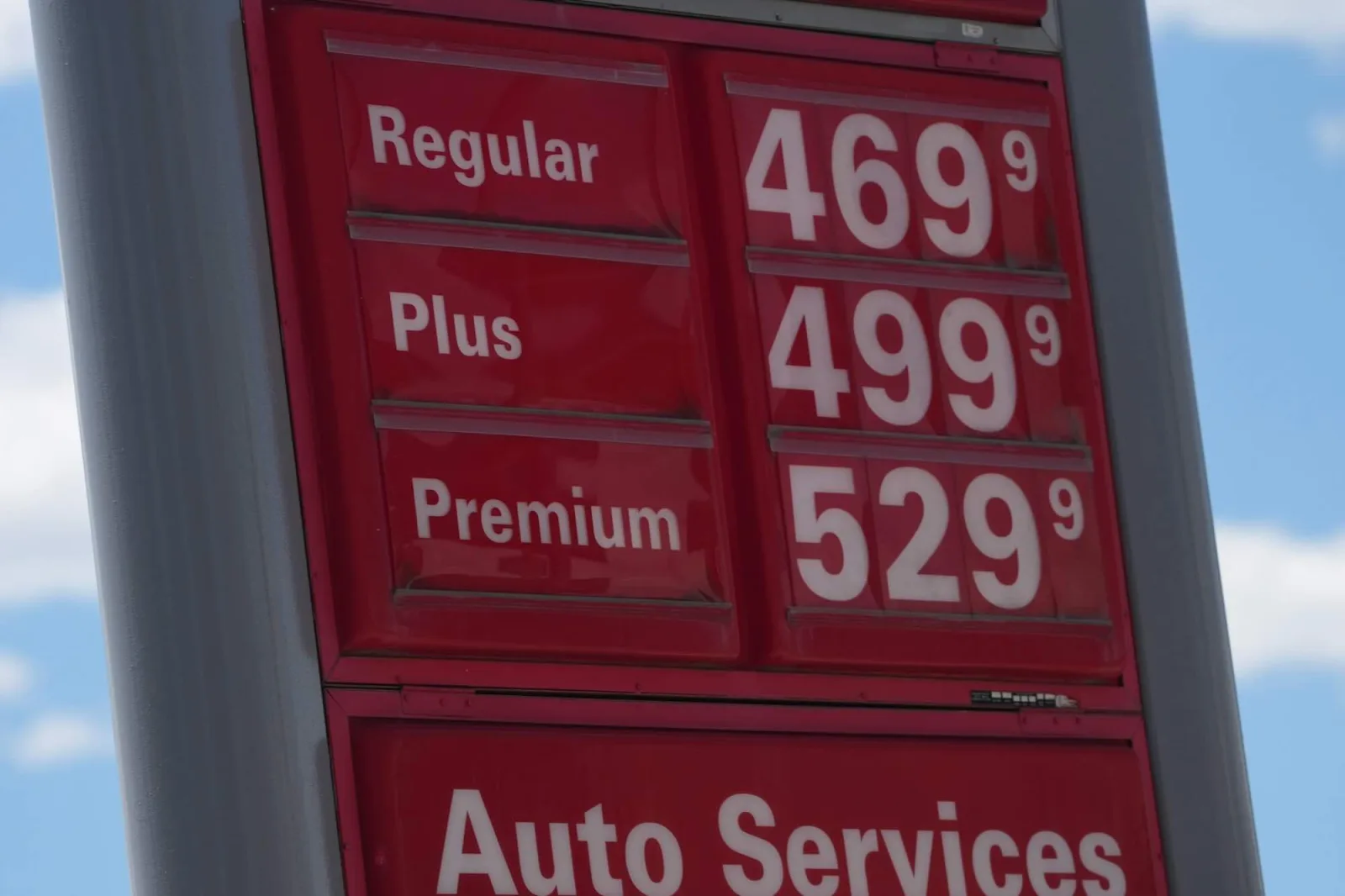
Inflation in the United States is extending beyond volatile energy prices, reaching deeper into everyday expenses such as housing, utilities, and recreation. While gasoline costs remain elevated due to geopolitical tensions and supply disruptions, newly released inflation metrics show underlying price pressures growing across multiple sectors.
The latest Personal Consumption Expenditures (PCE) Price Index indicates a year-over-year increase that surpasses initial expectations, registering the fastest rise since 2021. Excluding food and energy—the more unpredictable components—core inflation still climbed significantly, providing a clearer picture of persistent cost challenges facing consumers and policymakers alike.

Energy prices, including gasoline, act as both a current inflation driver and a harbinger for future price trends. Their rise influences various costs, from shipping and airline fares to food production and utilities, which can ripple throughout the economy. When these higher costs permeate widely, they can alter consumer and business behaviors, including wage demands, which may further entrench inflation.
Additional indicators underscore this trend. Consumer Price Index figures mirror the PCE data, showing a strong annual increase with notable jumps in energy-related sectors such as airlines and groceries. These shifts suggest inflation is firming across diverse categories affected by tariffs and supply chain pressures.
Economists who study uncertainty in business decisions warn that these developments may prolong economic challenges, complicating prospects for recession avoidance. Although some monthly inflation gains appear to moderate, the overall picture points to mounting risks as elevated prices feed into expectations and wage dynamics.
The ongoing inflationary momentum poses a complex scenario for Federal Reserve policymakers, who rely heavily on core PCE measures to guide interest rate decisions. The persistence of increased costs—beyond temporary spikes in energy—demands close attention as it challenges assumptions of a swift return to stable price levels.