

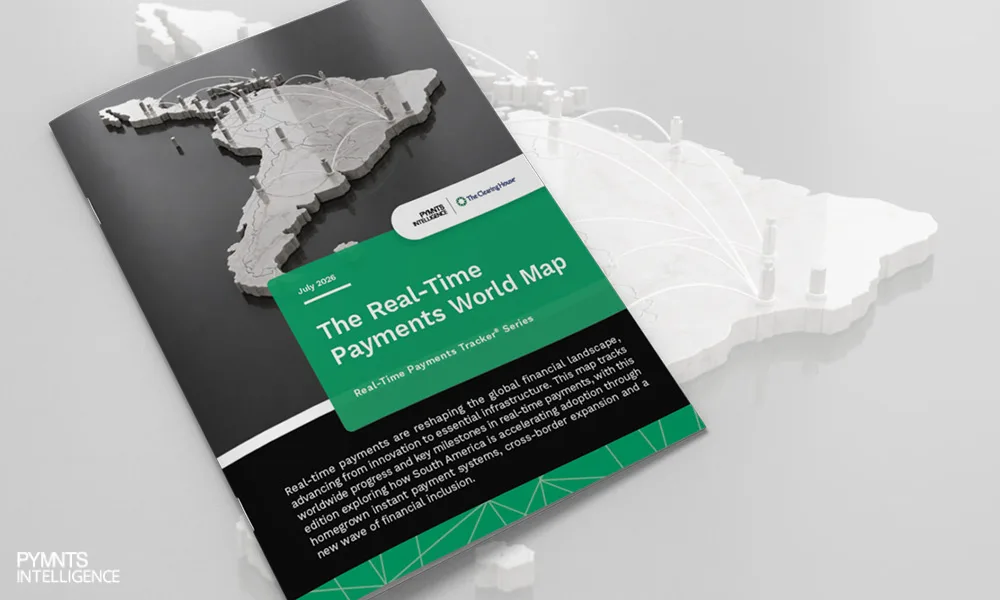
Real-time payment platforms have rapidly become central to South America’s financial landscape, transforming the way money moves across economies and driving significant economic growth. Argentina, in particular, stands to benefit substantially, with projections indicating an incremental GDP boost of $19.3 billion by 2028 thanks to the adoption and expansion of instant payments.
Brazil’s Pix system serves as a powerful example, having achieved widespread adoption since its 2020 launch. Pix now claims more than 150 million active users—about 70% of Brazil’s population—and outpaces major global payment networks like Visa and Mastercard in transaction volume. The platform’s integration with payment services such as Boku facilitates seamless account-to-account settlements, even for cross-border payments between Brazil and Argentina, where the Brazilian diaspora utilizes Pix to send money home.

Beyond Brazil, Colombia’s Bre-B instant payment system has shown remarkable early growth, processing over 500 million transactions and registering 100 million payment keys within just five months. The rapid expansion of these systems signals a broader trend toward instant payments becoming essential infrastructure that includes millions of previously underserved consumers into formal financial networks.
Despite their success, real-time payment platforms face challenges related to regulatory oversight and cybersecurity. Brazil’s central bank is managing the complexities of a rapidly evolving financial environment, balancing innovation with risks as irreversible transactions create vulnerabilities for fraud and cybercrime. Meanwhile, the United States has raised concerns about Pix’s government backing potentially skewing competition in favor of Brazil’s domestic network, prompting an investigation by the Office of the U.S. Trade Representative. This situation highlights an ongoing global debate between financial sovereignty and the interests of established international payment providers.
According to ACI Worldwide, besides Argentina, other South American economies will also experience notable gains: Peru is expected to see an additional $376 million in GDP, while Chile should gain $740 million from real-time payments by 2028. These developments are reshaping the financial ecosystem across the region, underlining the increasing importance of instant payment infrastructures in driving economic inclusion and efficiency.