

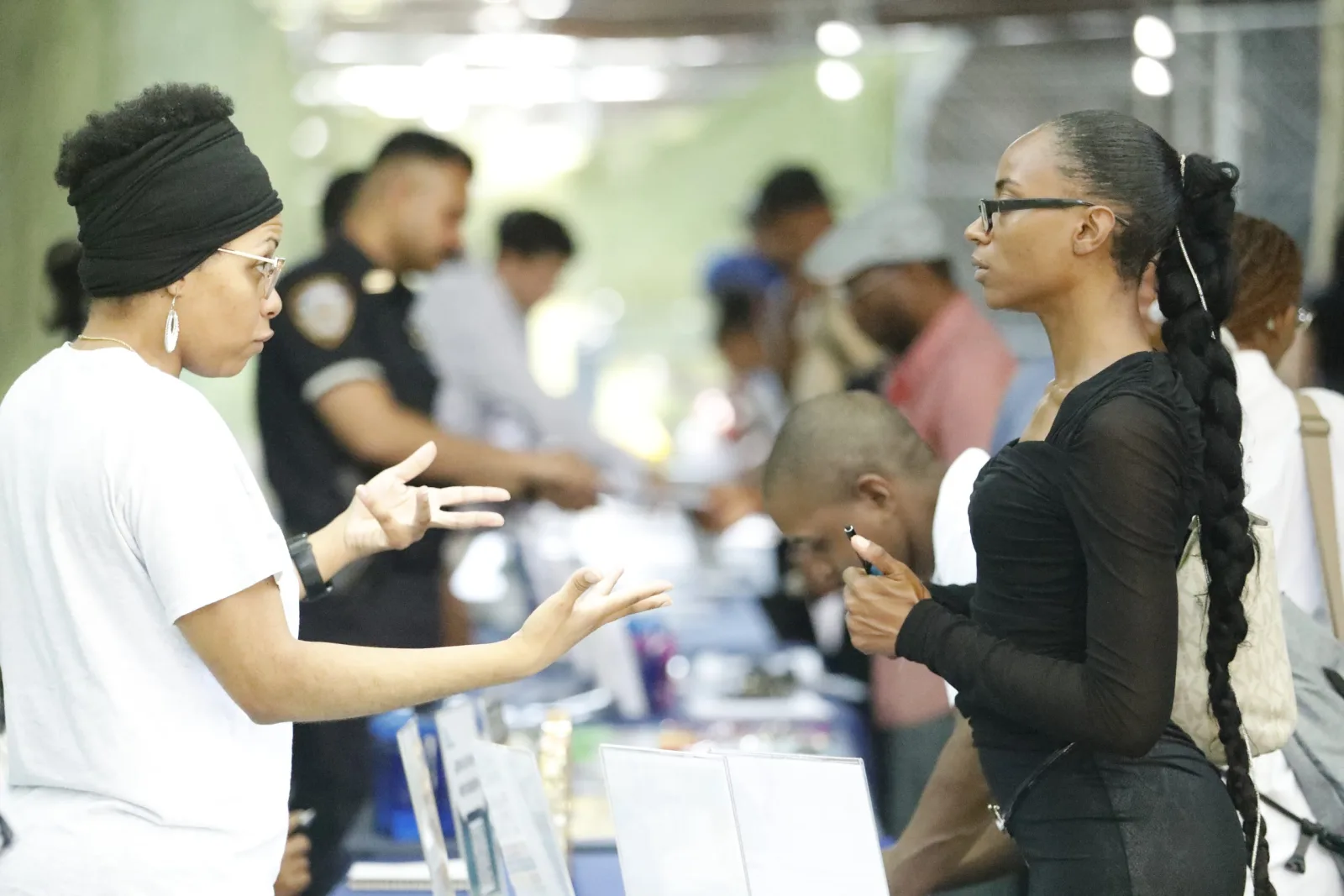
New York City’s Black unemployment rate remains significantly higher than the national average, spotlighting persistent disparities within the labor market. Current data shows Black unemployment in the city exceeding 8%, notably above the national figure of 6.6%, with the gap between Black and white workers continuing to widen despite an otherwise soft job market.
This surge in unemployment comes amid a complex environment marked by intensified competition for blue-collar jobs, corporate restructuring, and a rollback of diversity, equity, and inclusion (DEI) policies. Economists note that while white workers, particularly those with higher education, continue to secure gains in high-wage sectors like healthcare, Black workers face increasing barriers in accessing comparable opportunities.

Brandon V. Fletcher, a former senior animator displaced after his company was acquired, exemplifies the challenges confronting many Black New Yorkers. Despite extensive job hunting, Fletcher has not secured employment in over two years and has been forced to use his retirement savings to manage living expenses. His experience underscores how changes in networking dynamics and shrinking internal job opportunities hinder reintegration into the workforce.
Experts describe the entrenched disparity as a reflection of systemic racism and structural inequality that pervades American labor markets. The Black-white unemployment gap in the New York metropolitan area is currently the widest among major U.S. metros. This trend reflects not only economic shifts but also political and cultural factors, including diminished institutional commitment to DEI frameworks.
Advocacy groups link the rising unemployment of Black workers to the broader political climate, which has fostered a retreat from efforts to promote workplace diversity and equal access. The weakening of such policies under recent administrations correlates with a reduced focus on expanding opportunities for historically marginalized communities.
With the labor market tightening and fewer targeted hiring practices in place, Black workers in New York City confront amplified obstacles. Many face prolonged joblessness in sectors that once provided stable pathways to economic security, signaling a troubling development in the city’s ongoing struggle to address racial inequities in employment.