

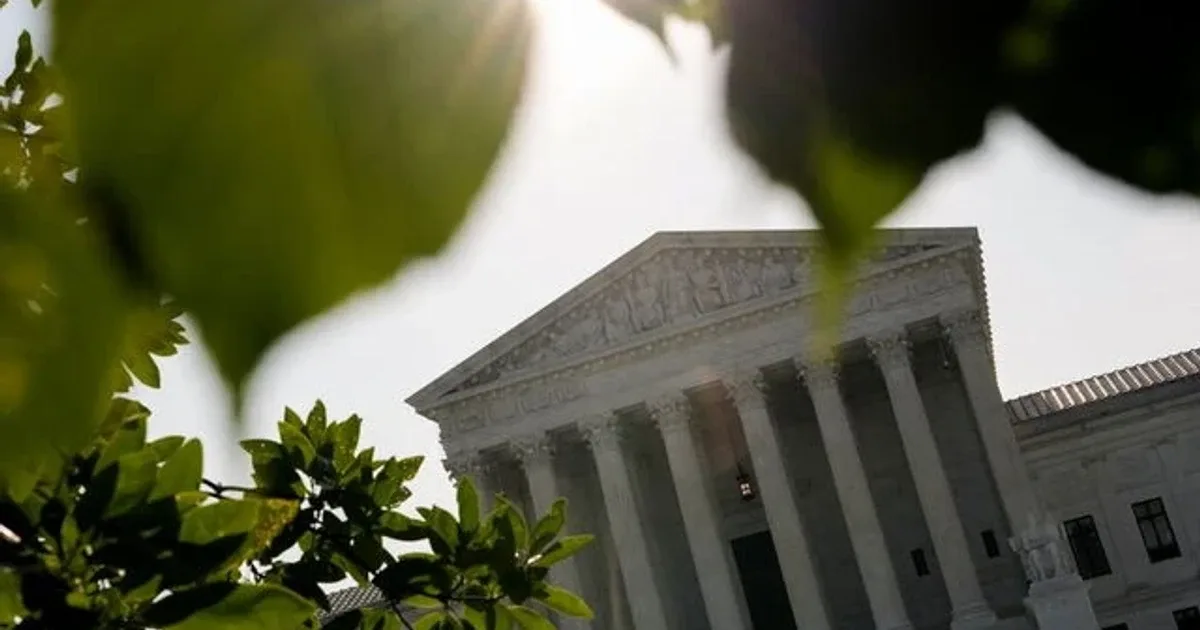
The Supreme Court recently upheld Lisa Cook’s position as a Federal Reserve governor amid a contentious dispute over former President Trump’s attempts to remove her. The 5-4 vote allowed Cook to remain in office while legal challenges unfold, but also sparked significant criticism from conservative justices about how the court is handling major cases through the emergency, or “shadow,” docket.
Chief Justice John Roberts, leading the majority, emphasized the Fed’s longstanding independence, warning that permitting Cook’s removal would erode the institution's “for-cause” protections and risk turning it into at-will employment. Roberts justified the court’s use of the emergency docket as an act of “prudence,” enabling swift action on urgent issues with profound national impact, even without the full briefing or oral arguments typical of the traditional docket.

However, the ruling exposed clear fractures within the court. Justices Clarence Thomas, Samuel Alito, and Neil Gorsuch dissented, with Amy Coney Barrett also issuing a separate dissent. These conservative members raised concerns over the appropriateness of deciding such a complex, institutional matter through the emergency process, arguing it bypassed the thorough judicial scrutiny such cases warrant.
The case involves broader questions about the Federal Reserve’s autonomy. Cook’s defense highlights that she is the first Fed governor to be fired in the institution’s more than century-long history, underscoring the rare and significant nature of Trump’s removal effort. Cook has denied allegations related to mortgage fraud that factored into the controversy.
This dispute emerges amid a striking increase in shadow docket usage by the Supreme Court. Recent analyses reveal that the court now issues more emergency orders than full merits decisions. According to ProPublica, the last term saw 63 shadow docket rulings compared to 56 merits docket decisions. The Brennan Center notes that since Trump’s return to office, his administration filed 33 emergency applications, with the court ruling in the government’s favor 80 percent of the time—contrasting sharply with a much lower rate of emergency filings in prior administrations.
Experts and critics argue that while shadow docket rulings are intended as temporary measures, they often become decisive in shaping federal policy and presidential power. This trend raises concerns about transparency, due process, and the judicial system’s balance when major constitutional and political questions are resolved without full briefing or oral hearings.