

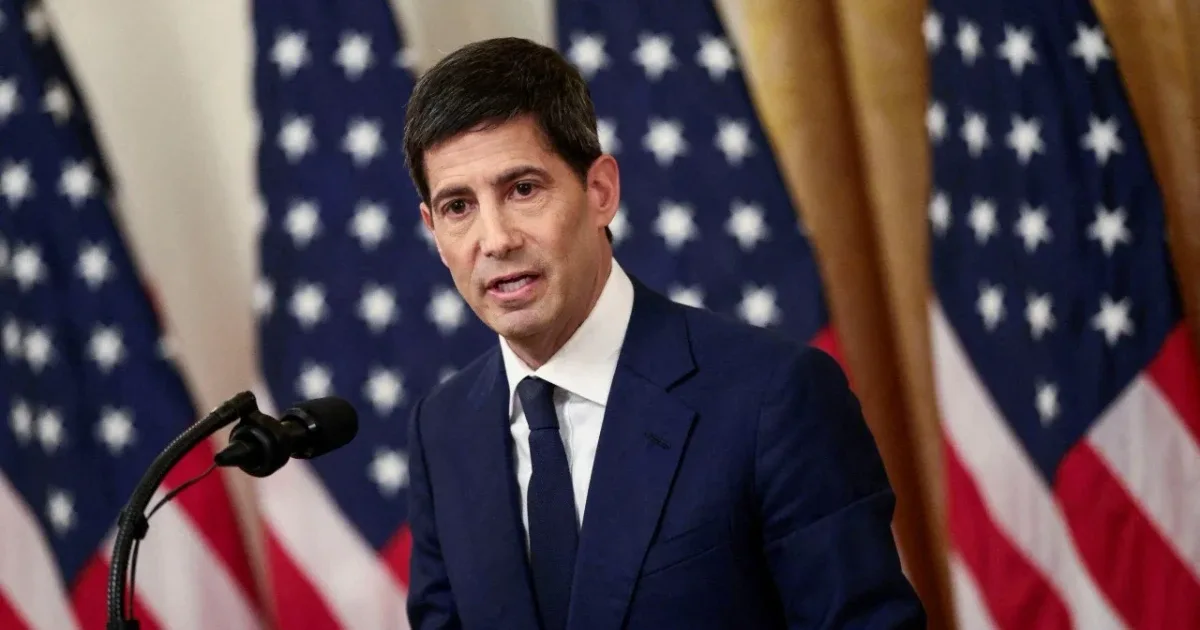
Kevin Warsh took the helm as Federal Reserve chairman during a challenging economic landscape where inflation remained elevated at 3.8%, and unemployment stayed low at 4.3%. These conditions set the stage for a critical examination of the Fed’s rate policies and its independence from political influence.
Warsh assumed office following a swift nomination and confirmation process earlier in the year, gaining unanimous support from the Federal Open Market Committee to lead the central bank. His extensive prior experience on the Fed Board and in economic policy circles equips him to navigate this sensitive period, which demands careful balancing between curbing inflation and sustaining employment.

The Fed’s mandate calls for stable prices and maximum employment, with a long-term inflation target of 2% measured by the Personal Consumption Expenditures (PCE) price index. However, inflation remained notably above target in April 2026, with core inflation figures closely monitored by policymakers. Meanwhile, robust labor market data, including steady payroll gains, complicate decisions about whether to maintain or adjust interest rates.
At its most recent meeting before Warsh’s tenure, the committee held the interest rate paid on reserve balances steady at 3.65%, signaling a cautious approach. Officials have indicated they will carefully observe labor market trends, inflation dynamics, financial system stability, and international developments before making further moves. This stance has practical implications for consumers, particularly homeowners, as any reduction in borrowing costs is expected to be gradual.
Beyond economic indicators, Warsh faces the test of protecting the Fed’s institutional credibility amid heightened political scrutiny. The central bank’s oversight responsibilities intersect with monetary policy, especially with upcoming releases such as the annual bank stress test results highlighting financial stability concerns. How Warsh manages these challenges early in his term could influence both inflation outcomes and public confidence in the Fed’s autonomy from political pressures.