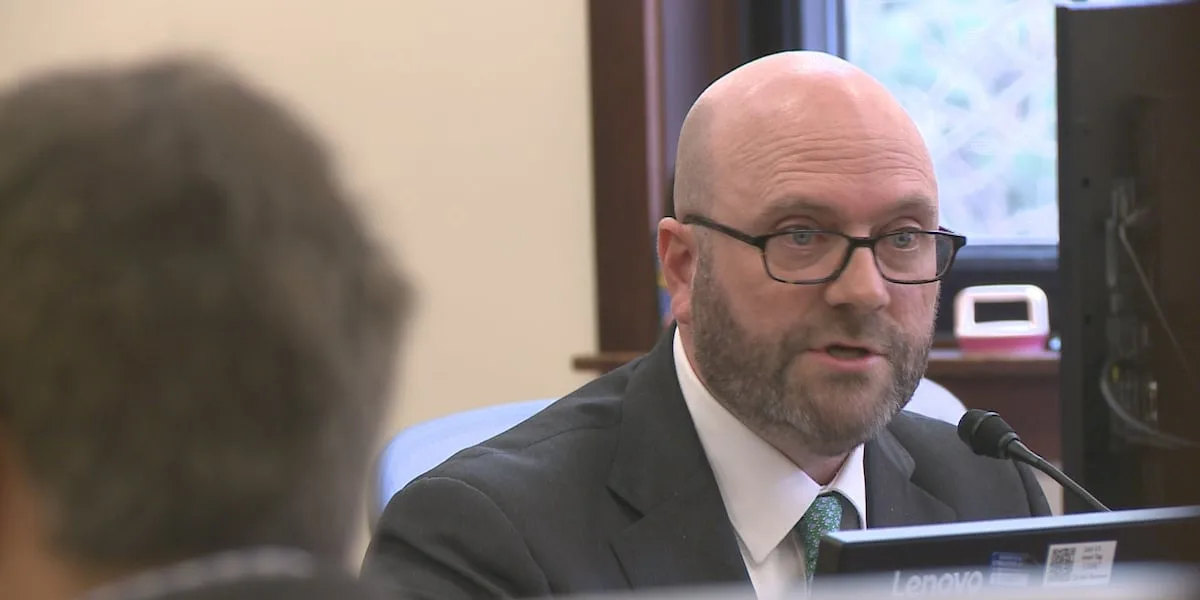
Kris Warner, West Virginia's Secretary of State, filed a motion this week asking a federal judge to dismiss the DOJ's lawsuit demanding unredacted voter registration data. In an April 29 memorandum, Warner's office stated that it had cooperated with the federal government as much as state law permitted, but that releasing the full list without redactions would violate West Virginia statutes. When the office provided a redacted version instead, the DOJ sued the state and moved to compel the release of sensitive information including birth dates, home addresses, driver's license numbers, and the last four digits of Social Security numbers.
Warner's filing argues that this dispute mirrors a pattern unfolding across the country. The DOJ has sued 30 states and the District of Columbia seeking identical information, but the strategy has largely failed. At least five federal courts—in California, Massachusetts, Michigan, Oregon, and Rhode Island—have already dismissed nearly identical DOJ complaints. The February lawsuit against West Virginia followed Warner's earlier refusal to turn over the unredacted data.

Warner's office contends that the DOJ request lacks a legitimate basis and serves an immigration enforcement purpose rather than a voting rights objective. "Though DOJ initially claimed the list-maintenance-review purpose, it seems the government now wants to use the voter list for immigration enforcement reasons," the filing states, arguing that such use would exceed the authority granted under the Civil Rights Act. The office also claims the requested information comes from internal databases exempt from federal disclosure and that releasing it would violate both state and federal privacy laws.
The DOJ maintains that the Civil Rights Act of 1960 gives the Secretary of State authority to provide federal election records. However, Warner's response challenges this interpretation, asserting that the law does not authorize "fishing expeditions" and does not strip the Secretary of standard procedural defenses available to any defendant. The filing criticizes what it calls "surprising positions" taken by the federal government, including claims that the Secretary cannot use procedural devices to challenge the demand or that the term "all" in the statute means "anything and everything relating to voting."
Warner's legal team, led by West Virginia Solicitor General Michael Williams and Assistant Solicitor General Caleb A. Seckman, is representing the state before U.S. District Judge Thomas E. Johnston in the Southern District of West Virginia.