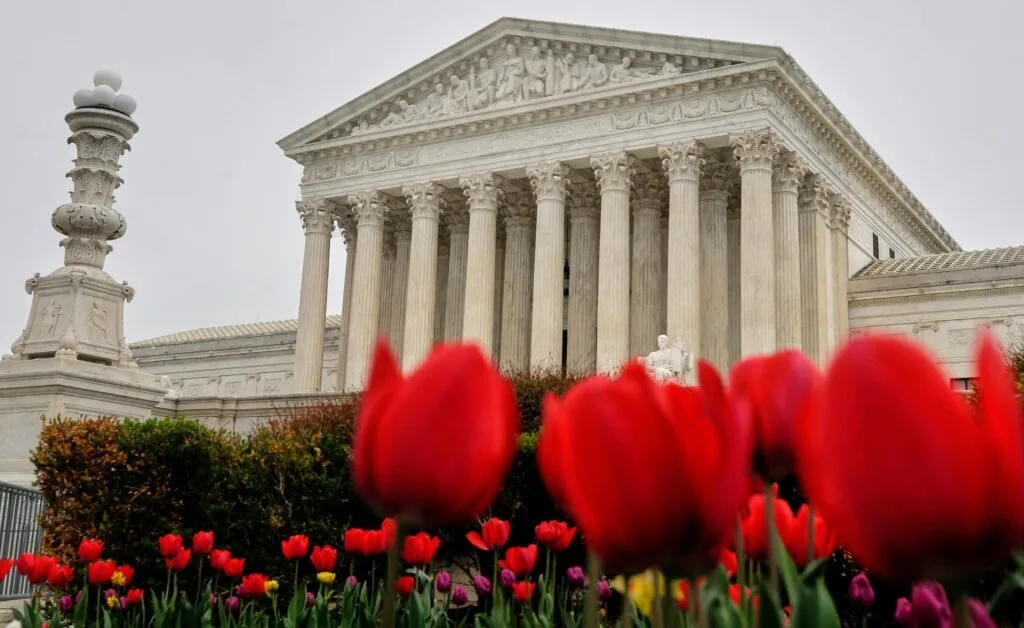
The Supreme Court's ruling on the Voting Rights Act is scrambling congressional maps across the country and forcing states into emergency redistricting decisions. The decision has invalidated map protections that had been in place for decades, immediately disrupting election timelines in Louisiana and triggering special legislative sessions in multiple states controlled by Republicans and Democrats alike.
Louisiana faces the most urgent fallout. The Supreme Court invalidated the state's congressional map, which included a second majority-black district created after years of litigation under the Voting Rights Act. Secretary of State Nancy Landry declared an emergency in response, halting the scheduled May 16 House primaries. In an executive order, Landry directed lawmakers to move quickly to pass a new congressional map and set a revised election timeline.

Tennessee Governor Bill Lee announced a special legislative session to review the state's congressional map following the ruling. Lee stated that the state owes it to Tennesseans to ensure congressional districts reflect voter preferences. Meanwhile, Tennessee Senator Marsha Blackburn, who is running for governor, called for immediate action to redraw the map, saying she would work to keep Tennessee a red state.
Mississippi Governor Tate Reeves signaled that lawmakers will convene on May 20 for what is formally a special session on judicial districts, though Republican strategists indicate the session could expand to include congressional maps. One potential target is the 2nd Congressional District, currently held by Democrat Bennie Thompson and representing the only Democratic-held seat in Mississippi's delegation.
In Florida, Governor Ron DeSantis's redistricting plan cleared the legislature this week and is expected to tilt the state further toward Republicans. The plan could create up to four additional Republican-friendly seats by carving up Democratic-leaning districts in Tampa, Orlando, and along the southeast coast.
Alabama Governor Kay Ivey reversed her earlier position and called a special legislative session to redraw congressional maps. She indicated that if court-ordered injunctions are lifted, Alabama could revert to maps drawn by the legislature in 2023. Ivey also said she would ask lawmakers to consider holding special elections for congressional and state senate members.
Georgia Governor Brian Kemp signaled the ruling will not disrupt 2026 elections but will likely force changes soon after. South Carolina Governor Henry McMaster suggested lawmakers may need to revisit the state's congressional map in light of the latest ruling.
Legal and logistical hurdles may limit changes before the 2026 midterm elections, but the ruling is expected to have far greater impact on the 2028 cycle, when more states will have time and flexibility to redraw their maps. Both parties had already been aggressively redrawing maps in states they control before the ruling, with gains largely canceling each other out. Virginia Democrats secured approval of a new map that could net them up to four additional seats, while California voters approved new district lines that could boost Democrats by up to five seats. Texas Republicans redrawn legislative maps aimed at creating five more seats.
Democratic-led states are weighing their response. New Jersey Governor Mikie Sherrill said she would be willing to revisit the state's redistricting process to create a counterbalance, though she acknowledged constitutional limitations. Colorado voters could head to the polls this November to decide whether to redraw the state's congressional map before 2028.
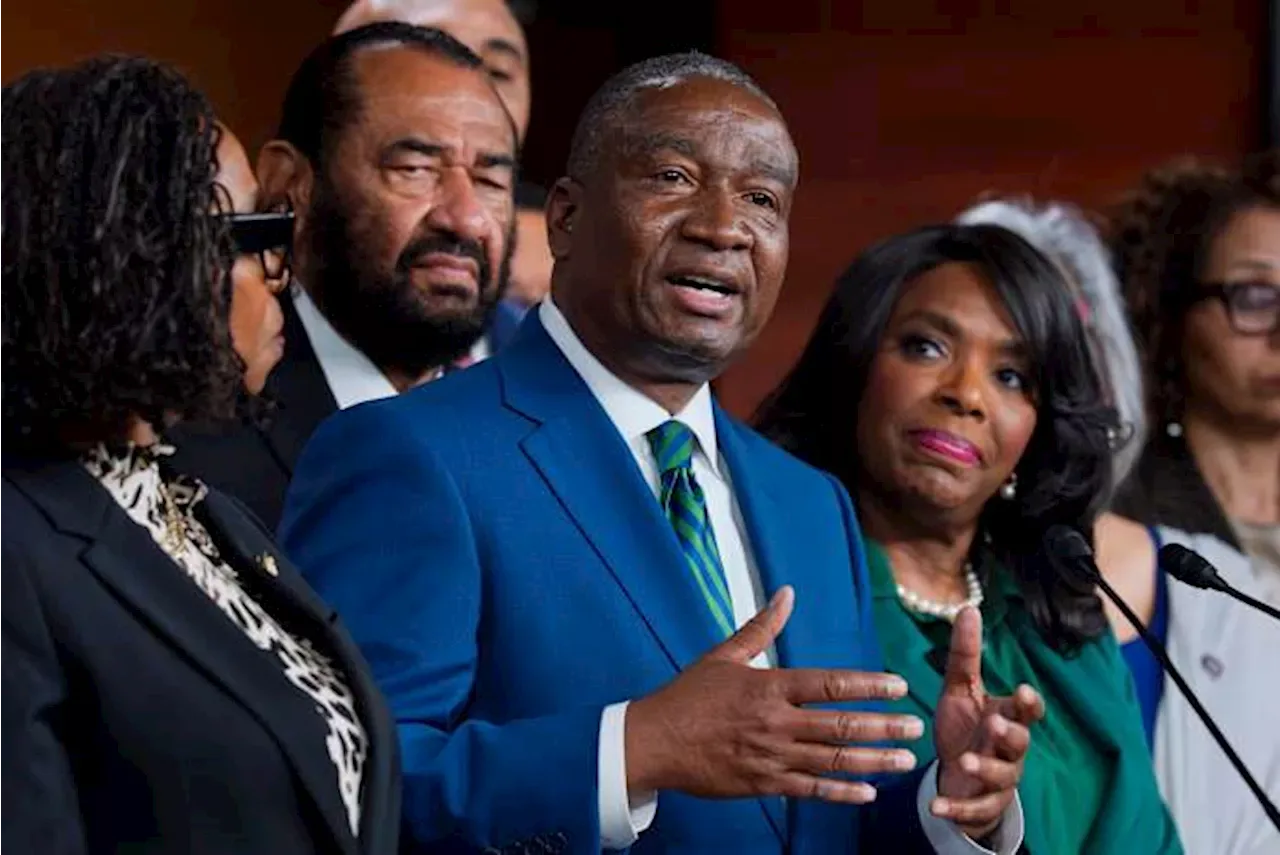
Democratic leaders have renewed calls to pass the John Lewis Voting Rights Advancement Act, though the measure remains stalled in the Senate. Representative Troy Carter warned that the implications extend nationwide, affecting every congressional district, school board district, and legislative district.