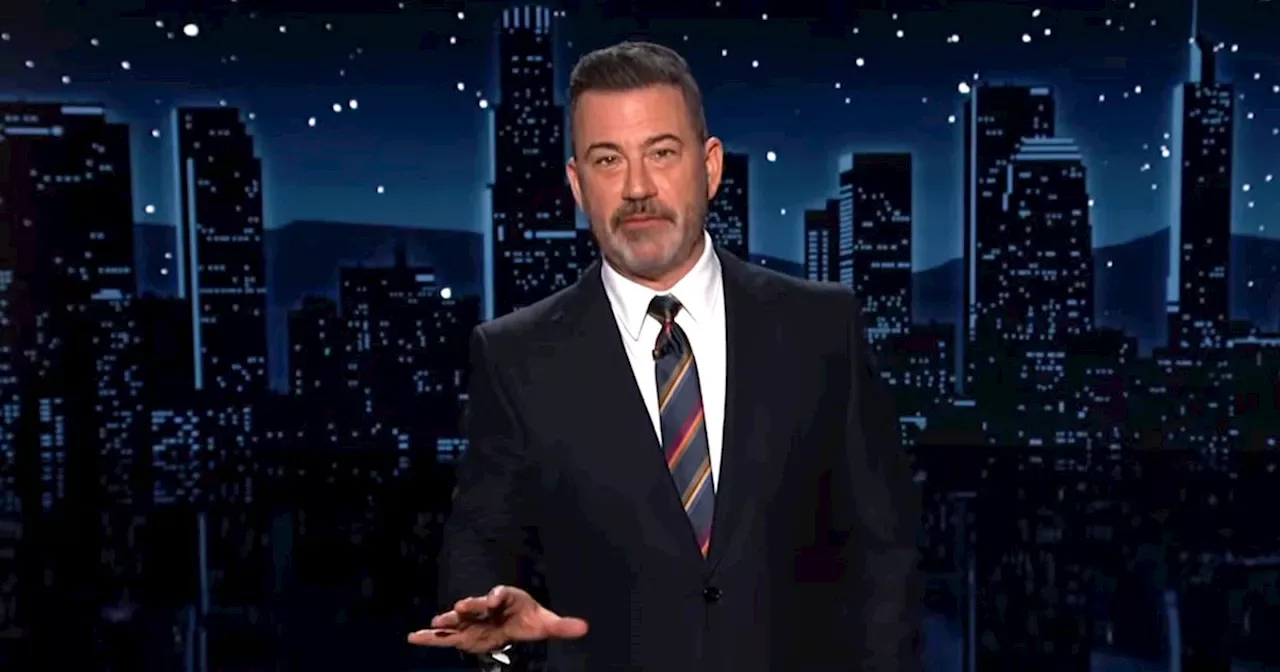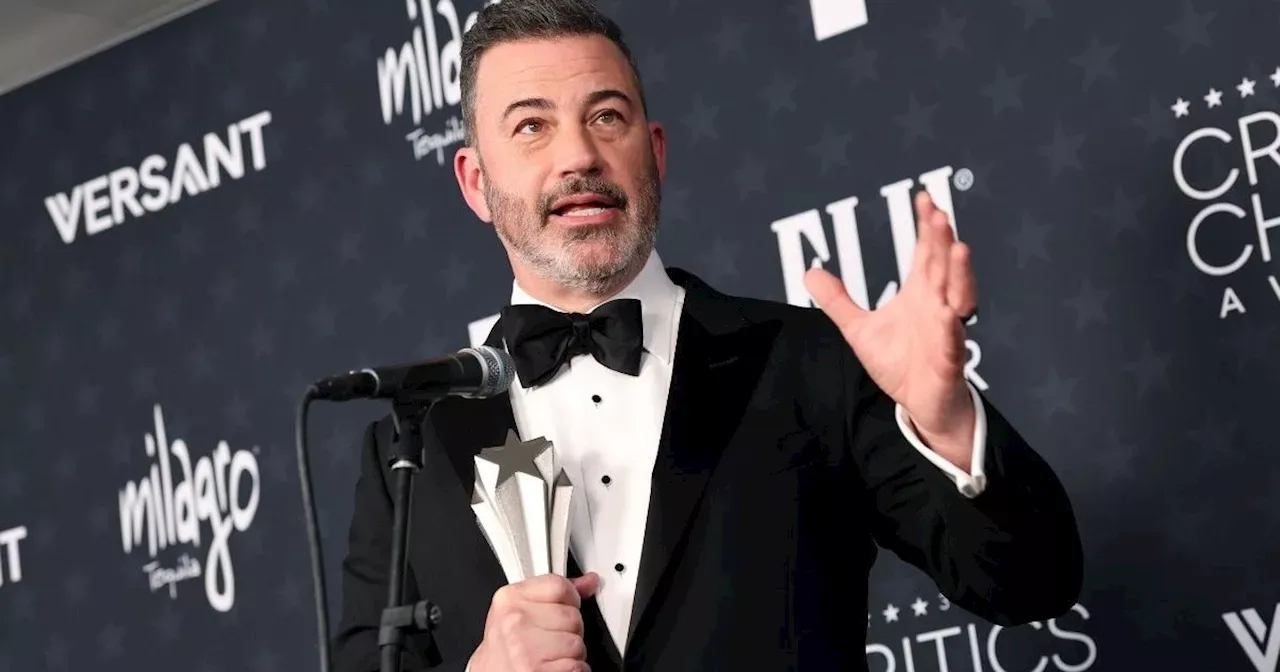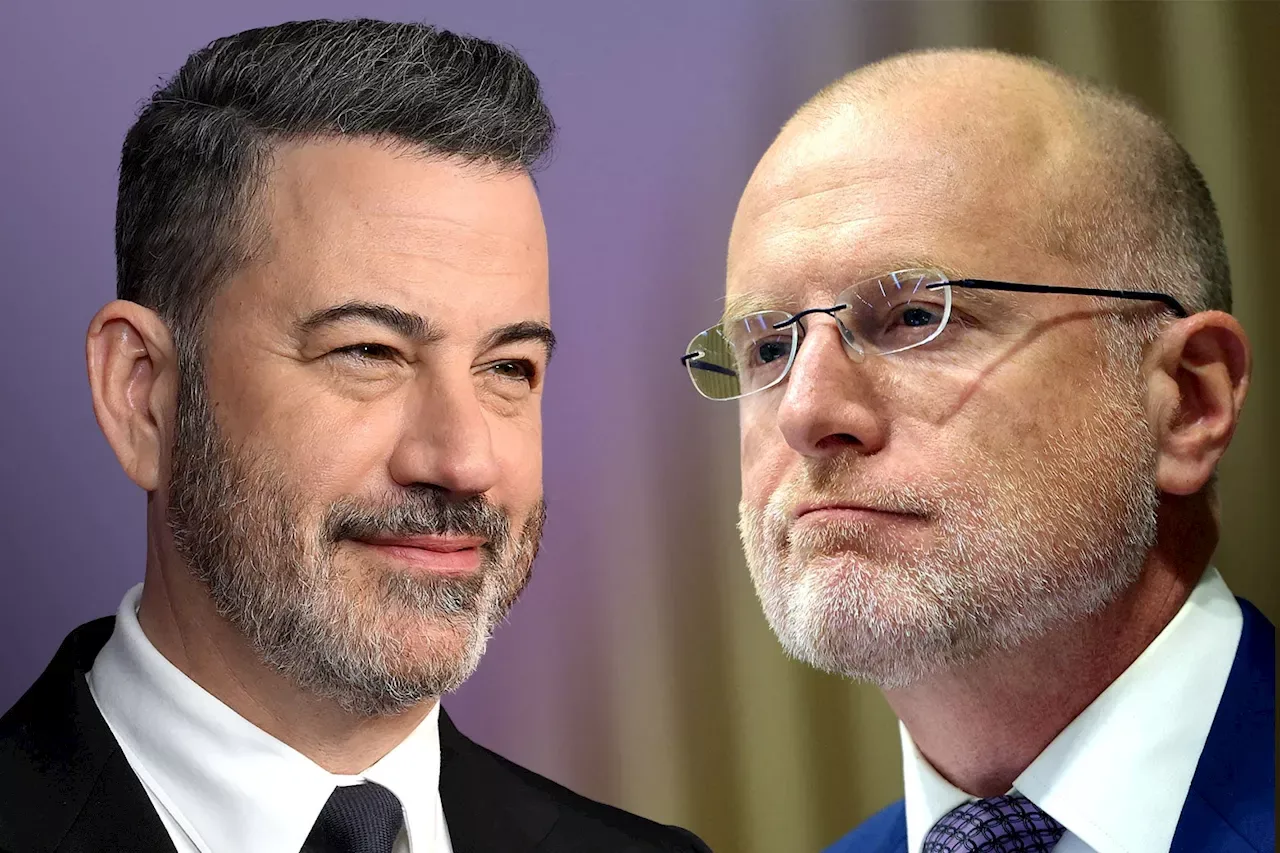
The Trump administration has escalated its conflict with ABC and Jimmy Kimmel by directing the FCC to fast-track the network's broadcast license renewals. According to reporting on Tuesday, the FCC has launched an investigation into ABC's licensing status, requiring the Disney-owned broadcaster to submit renewal requests by month's end—years ahead of the original 2028 deadline set in the network's contracts. The agency framed the accelerated timeline as necessary to the public interest while reviewing the company's diversity, equity, and inclusion practices.
The timing connects directly to a weekend incident. Melania Trump demanded on Monday that ABC discipline Kimmel for a pre-White House Correspondents' Association dinner sketch in which he remarked that a Melania impersonation had "a glow like an expectant widow"—a reference to concerns about the aging president's health. The first lady characterized the joke as "hateful and violent rhetoric" requiring editorial censorship. Kimmel refused to apologize and pointed out on his Tuesday broadcast that the president himself had made similar remarks to the first lady during a prior White House visit.

FCC Chair Brendan Carr has emerged as the driving force behind the renewed pressure on ABC. Before formally assuming his role, Carr sent a letter to then-Disney CEO Bob Iger praising the company for settling a defamation case brought by Trump. He also flagged that the FCC would monitor Disney's affiliate negotiations. In a podcast interview published Tuesday, Carr suggested an FCC probe may examine whether ABC granted adequate airtime to Republican candidates.
This marks the second aggressive FCC action against the broadcaster in recent months. In September, Carr suggested other broadcasters remove Kimmel's show from their ABC affiliates, prompting some stations to pressure Disney into limiting the program's reach. When Disney declined to remove the host entirely this time, Carr deployed the license acceleration tool instead.
Public interest attorney Andrew Jay Schwartzman noted that using license denial as a weapon against major broadcasters is extraordinarily rare and that the legal standard for denying renewal is nearly impossible to meet. He added that licensing proceedings take years to litigate without affecting editorial decisions in the interim. Disney has maintained that ABC operates in full compliance with FCC regulations.
Media law experts recognize the broader implication. If the FCC can weaponize a comedic remark as justification to threaten a network's broadcast privileges, smaller media companies with fewer resources face pressure to self-censor criticism of the president to avoid similar retaliation. The administration's strategy appears designed to chill speech across the industry.