

China’s leading automobile association has proposed creating a standardized category for low-cost electric vehicles, designed to attract new buyers from rural areas and older demographics. This initiative seeks to replace the unsafe and unregulated micro-EVs currently popular among these groups, reviving the country’s slowing domestic auto market.
The China Passenger Car Association (CPCA) identifies the collapse of China's low-end vehicle market as a critical barrier to the auto industry's broader recovery. Despite electric vehicles capturing over 60% of China’s market share—a notable milestone—overall EV sales have plateaued. For instance, retail sales of new energy vehicles (NEVs) hovered just below previous annual figures, signaling weak consumer demand beyond premium models.

Currently, China's electric vehicle market divides sharply between high-end sophisticated models and cheap, unregulated electric microcars, known colloquially as "laotoule," or "old man’s joy." These low-speed vehicles lack essential safety features and have contributed to significant traffic fatalities in recent years. Following a government ban on these vehicles in 2024, the mobility needs they addressed remain unmet, particularly in less urbanized areas.
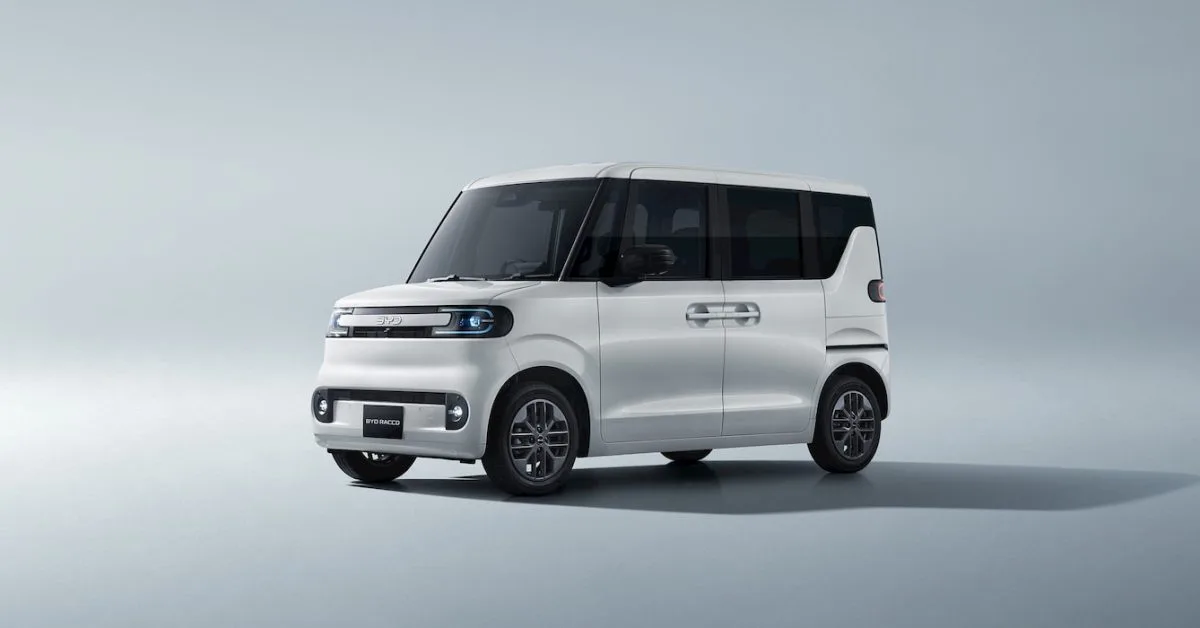
To address this gap, the CPCA proposes a regulated, affordable EV segment that balances safety with cost-effectiveness. The model draws inspiration from Japan’s proven kei car segment—small, efficient vehicles with strict size and engine limits—and emerging European union standards for compact EVs. Japan’s kei cars hold a substantial share of its passenger vehicle market and have supported brands specializing in this niche for decades.
The plan includes specific technical standards such as maximum vehicle dimensions, motor power limits, and minimum driving ranges. Additionally, a simplified licensing system tailored for older and first-time drivers, modeled on Japan’s system, aims to facilitate broader adoption among rural and elderly consumers. This new licensing category, designated as C7, would lower entry barriers by easing testing requirements.
By establishing this regulated, budget-friendly electric vehicle market, China intends to create a safer alternative to the unregulated microcars, stimulate sales in underrepresented demographics, and support the country’s transition towards sustainable transportation solutions.