

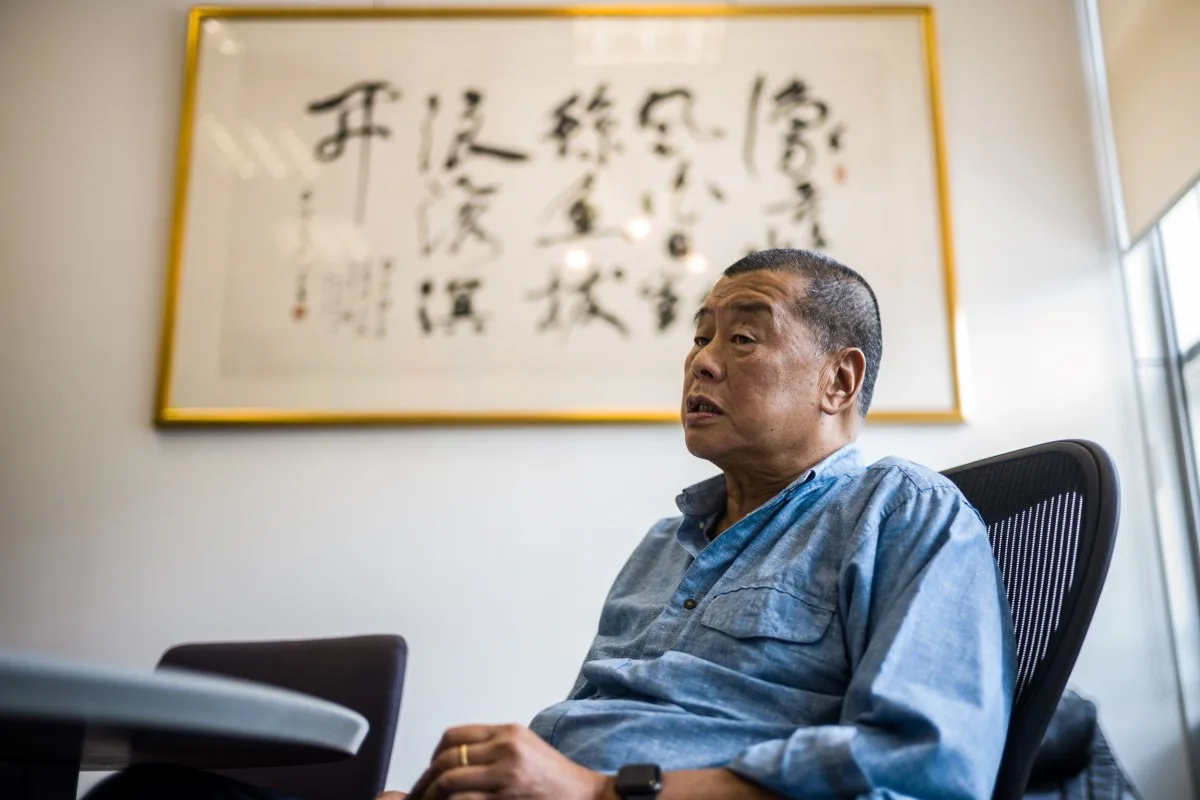
Amid the high-stakes discussions between President Trump and President Xi Jinping—covering trade tensions, tariffs, and regional security issues—there is a critical human rights concern that demands attention: the imprisonment of Jimmy Lai. A prominent figure in Hong Kong’s pro-democracy movement, Lai has been sentenced to a lengthy prison term under China’s national security law for his journalistic work, symbolizing the crackdown on free expression in the region.
At 78 years old, Lai’s time in solitary confinement and the severe sentence against him represent more than just legal punishment; they mark a broader effort by Beijing to silence dissent and tighten control over Hong Kong’s freedoms. Lai built his media empire from humble beginnings as a refugee, championing free speech and political criticism, especially through his newspaper Apple Daily. His arrest and the subsequent seizure of his assets have left him isolated and vulnerable.

While trade and geopolitical matters dominate the agenda during the U.S.-China summit, advocating for Lai’s release aligns with America’s global image as a defender of human rights and democratic values. His case illustrates the tension beneath the surface of economic rivalry that the leaders must not ignore. Failing to raise this issue could signal tacit acceptance of China’s repressive actions, affecting perceptions both in Beijing and among Hong Kong’s pro-democracy supporters.