

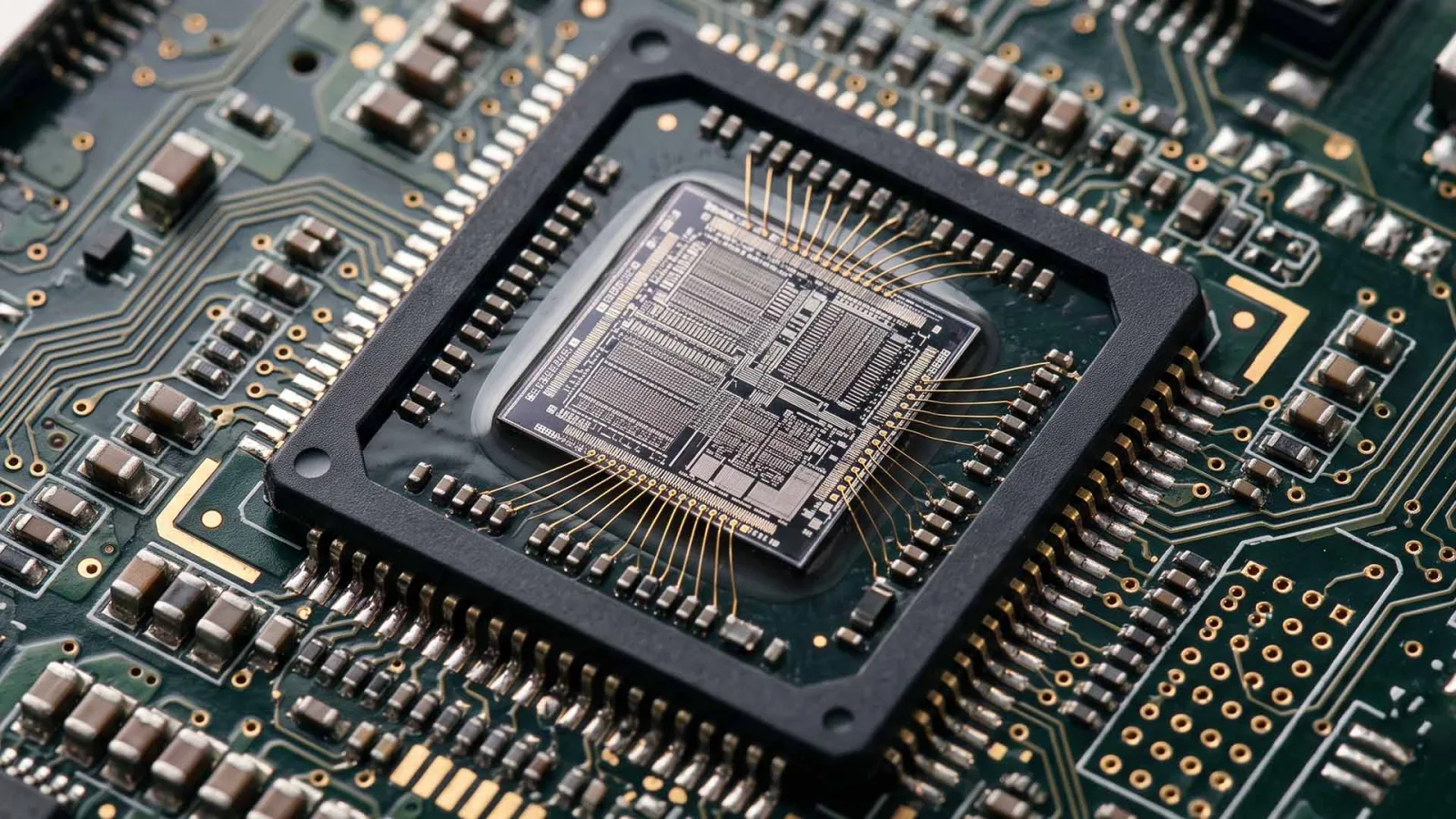
DeepSeek, a rising Chinese AI startup, is working on its own AI inference chip to reduce dependence on industry giants Huawei and NVIDIA. While the startup currently uses these companies' chips for training and running its models, it now aims to produce silicon dedicated to generating user responses from pre-trained models, marking a strategic shift toward hardware self-sufficiency.
The move reflects a broader trend among Chinese tech firms, with companies like Alibaba and Baidu already developing in-house AI chips to challenge Huawei's dominance in the domestic market. DeepSeek has started recruiting chip design engineers quietly in recent months, signaling serious investment in its semiconductor ambitions, although this effort remains early and highly secretive.

However, DeepSeek’s path to chip independence faces substantial hurdles. The development cycle for custom AI chips spans several years and demands enormous financial resources, especially through complex stages such as tape-out, which finalizes chip designs before mass production. Furthermore, U.S. trade sanctions restrict DeepSeek’s access to cutting-edge manufacturing tools, forbidding it from sourcing technologies like ASML’s advanced extreme ultraviolet (EUV) lithography machines. As a result, DeepSeek must rely on China’s SMIC foundry, which currently uses an older, less efficient 7-nanometer process, putting its chips at a technological disadvantage compared to NVIDIA’s latest products fabricated using Taiwan Semiconductor Manufacturing Company’s (TSMC) most advanced nodes.
To fund this costly venture, DeepSeek reportedly raised $7 billion in a recent funding round, boosting its valuation significantly from earlier phases when it avoided external investment. This influx of capital underscores the company’s commitment to overcoming the formidable barriers of chip design and manufacturing amid a challenging geopolitical landscape.