

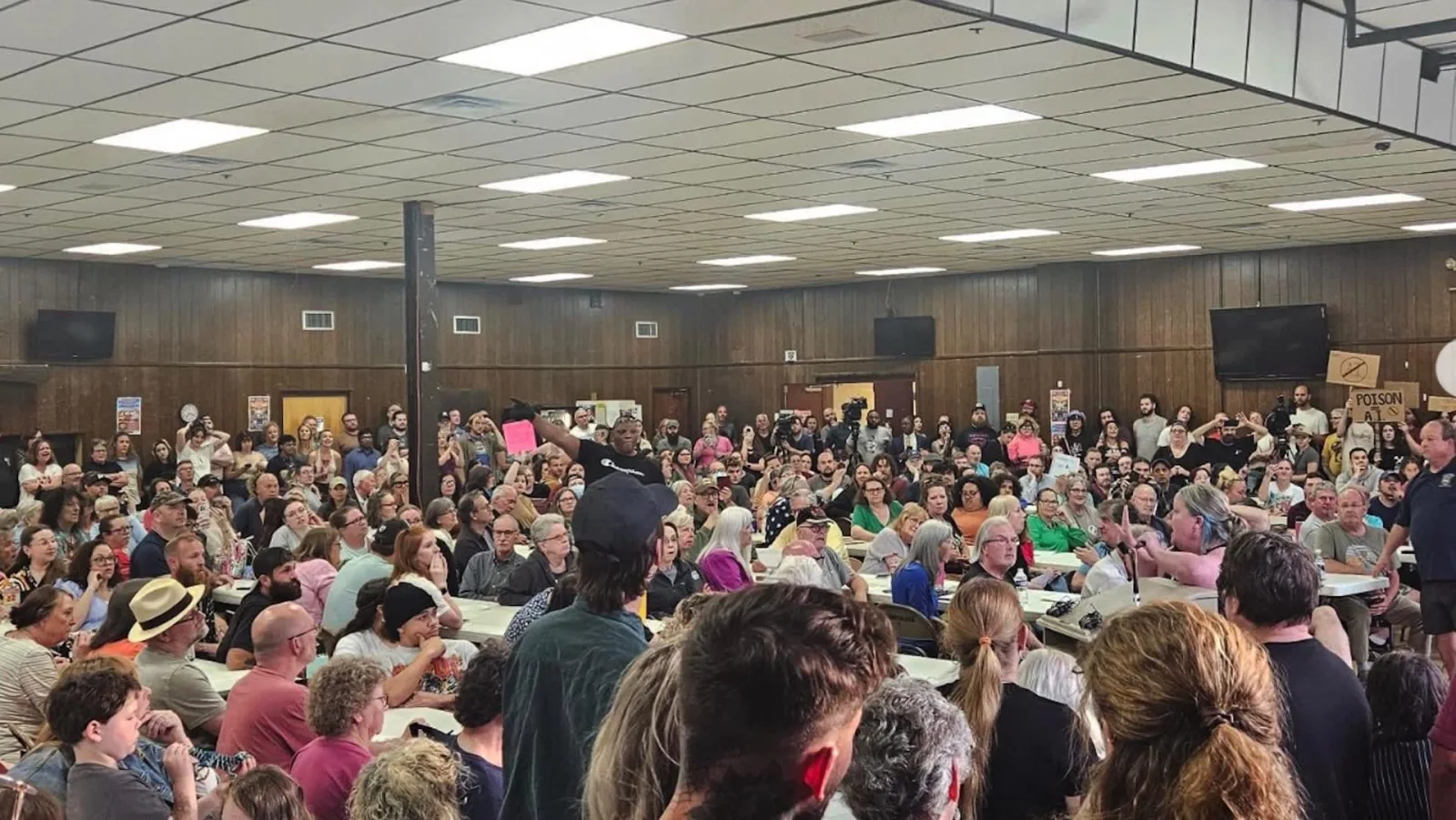
Community members in Columbia, Pennsylvania, successfully halted a proposed land sale aimed at establishing a data center in the McGinness Innovation Park. Despite receiving only weeks’ notice, residents organized extensively by canvassing, phone-banking, and encouraging neighbors to attend a packed Borough Council meeting where the sale was ultimately rejected.
The strong turnout prevented the deal from moving forward, with some attendees remaining outside even after being asked to leave the building—demonstrating their determination to influence the outcome. The grassroots effort underscores how local groups can impact development projects that raise concerns about environmental and infrastructure strain.

Data centers, especially hyperscale facilities, have become a contentious issue nationwide due to their substantial electricity consumption, water usage, noise, and increased traffic. Communities often worry about the effects on local utilities, public health, and neighborhood character, especially when such projects are proposed near residential areas or downtown districts.
The debate in Columbia reflects a broader national conversation about balancing the growing digital economy with sustainable energy and environmental practices. Concerns over rising utility costs and infrastructure overload have led more communities to demand transparency and full assessments before approving these projects.
Lancaster Stands Up, a local civic group that coordinated much of the opposition, celebrated the victory while cautioning that the issue remains unresolved. The Borough Council plans to reopen bids, signaling ongoing challenges ahead. Supporters emphasized the importance of community engagement and warned elected officials about consequences if future decisions disregard residents’ voices.