

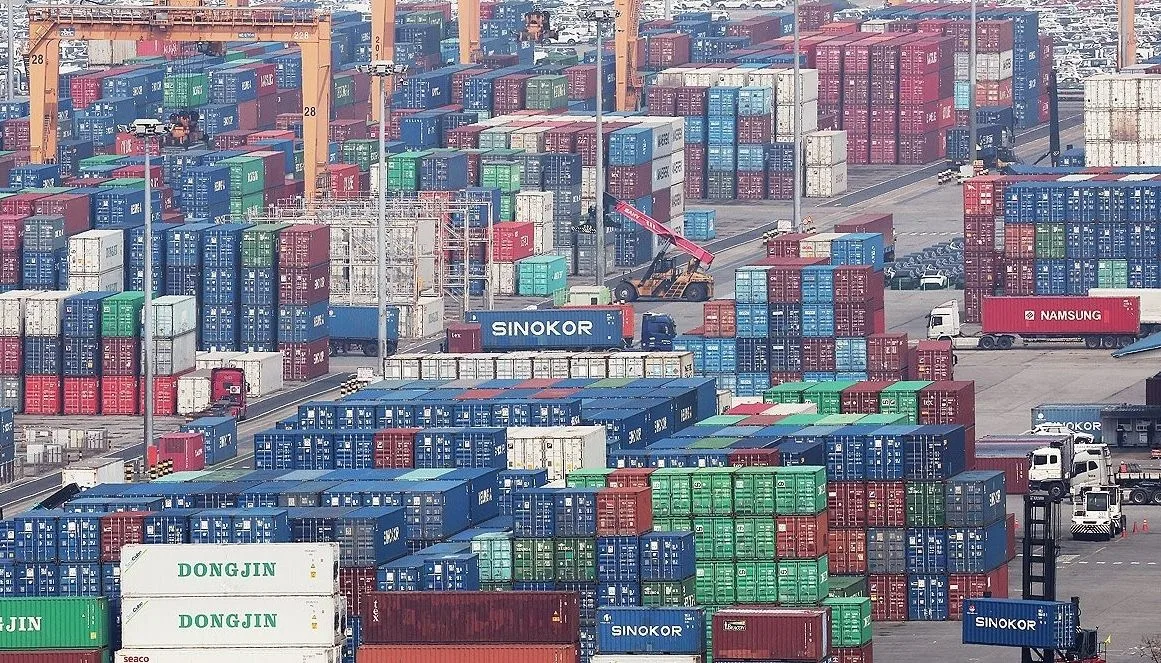
South Korea is preparing countermeasures in response to the United States’ proposed tariffs targeting imports allegedly connected to forced labor practices. This move comes as Washington plans to levy duties on products from multiple countries, including South Korea, which faces a potential 12.5 percent tariff under these new regulations.
Trade Minister Yeo Han-koo convened with officials from various government ministries to review the status of talks with the U.S. and to strategize follow-up actions. While details were not disclosed, the discussions underscore Seoul’s commitment to safeguarding national trade interests and bolstering export competitiveness. The Ministry of Trade, Industry and Resources reported that these consultations aim to ensure a unified government approach amid the emerging trade challenges.

The tariffs under consideration stem from the U.S. Office of the Trade Representative’s (USTR) efforts to enforce bans on importing goods produced with forced labor, affecting around 60 trading partners. South Korea is among several economies, including China and Japan, potentially subject to a tariff rate of 12.5 percent.
Alongside the forced labor tariff issue, Seoul is also advancing negotiations in other trade areas. The government plans to accelerate discussions with Mongolia and enhance bilateral agreements with China on services and investment, signaling a broader agenda to diversify and strengthen trade relations.
On the U.S. side, the Trade Representative responded to criticism regarding the tariffs. Jamieson Greer addressed an editorial in the Washington Post that accused the tariff proposal of being a disguised protectionist measure. Greer attributed the editorial’s stance to political bias against the Trump administration and defended the tariff decision as a legitimate response to forced labor concerns.