

The U.S. Supreme Court struck down federal limits on how much political parties can spend while coordinating with candidates, igniting warnings about increased influence from wealthy donors and outside interests in Arkansas elections. The ruling, decided by a conservative 6-3 majority, invalidated caps that restricted party spending, including limits of up to $4 million in Senate races and roughly $127,000 in House races.
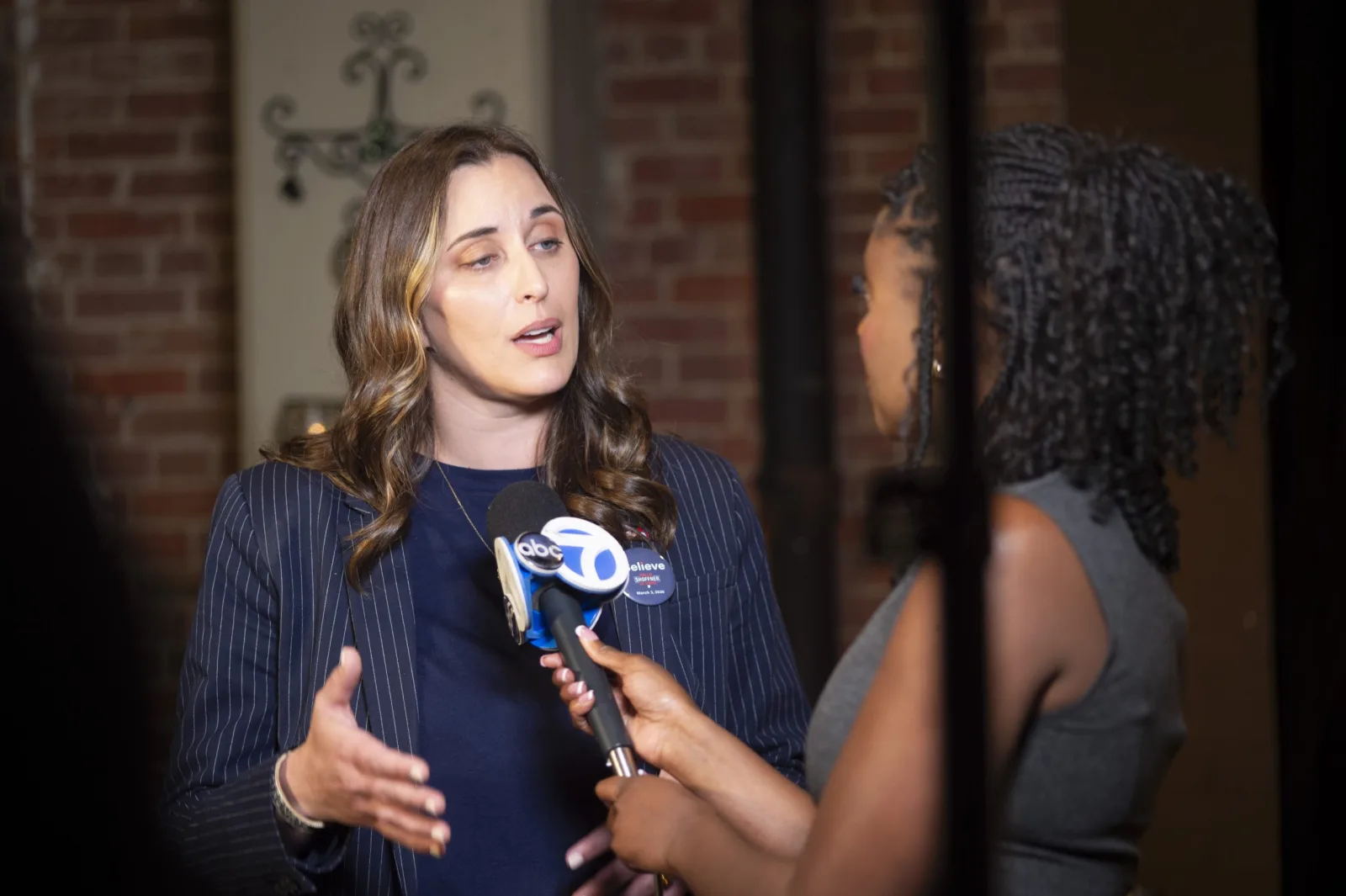
This change means local, state, and national parties can now spend unrestricted sums to support their candidates, potentially allowing substantial financial power to flow into Arkansas elections from out-of-state and high-net-worth contributors. Democratic candidate Hallie Shoffner, who seeks to challenge Republican incumbent Tom Cotton, criticized the decision, describing it as a pathway for “billionaire donors and Washington political insiders” to dominate the state's political landscape.

Shoffner expressed concerns that wealthy interests aim to install politicians who prioritize tax breaks for the affluent, while everyday families face rising costs at grocery stores, gas stations, and monthly bills. She pointed to well-funded networks like the America One Policies Political Action Committee, identified as a “dark money” group backing Cotton, which has already spent millions and recently launched a large media campaign in Arkansas targeting Shoffner.
The Supreme Court majority ruled that spending caps violated First Amendment rights, framing restrictions as limitations on free political expression. However, the liberal justices, led by Justice Elena Kagan, argued in dissent that removing these caps creates new avenues for donors to bypass individual spending limits and funnel more money into elections through party committees. This concern stems from fears that such spending channels could circumvent existing campaign finance safeguards.
The ruling reshapes Arkansas’s electoral environment by allowing unregulated financial coordination between parties and candidates. Critics warn this could foster an influx of money aimed at distorting elections, intimidating voters, and protecting entrenched incumbents, particularly from powerful out-of-state political operators. Shoffner’s remarks highlighted how interests like the Koch brothers have previously targeted Arkansas as a testing ground to influence policy and election outcomes.
With these changes, political parties in Arkansas are positioned to wield unprecedented spending power, reshaping the battle over local seats and reflecting a broader national debate about campaign finance, free speech, and electoral fairness.