

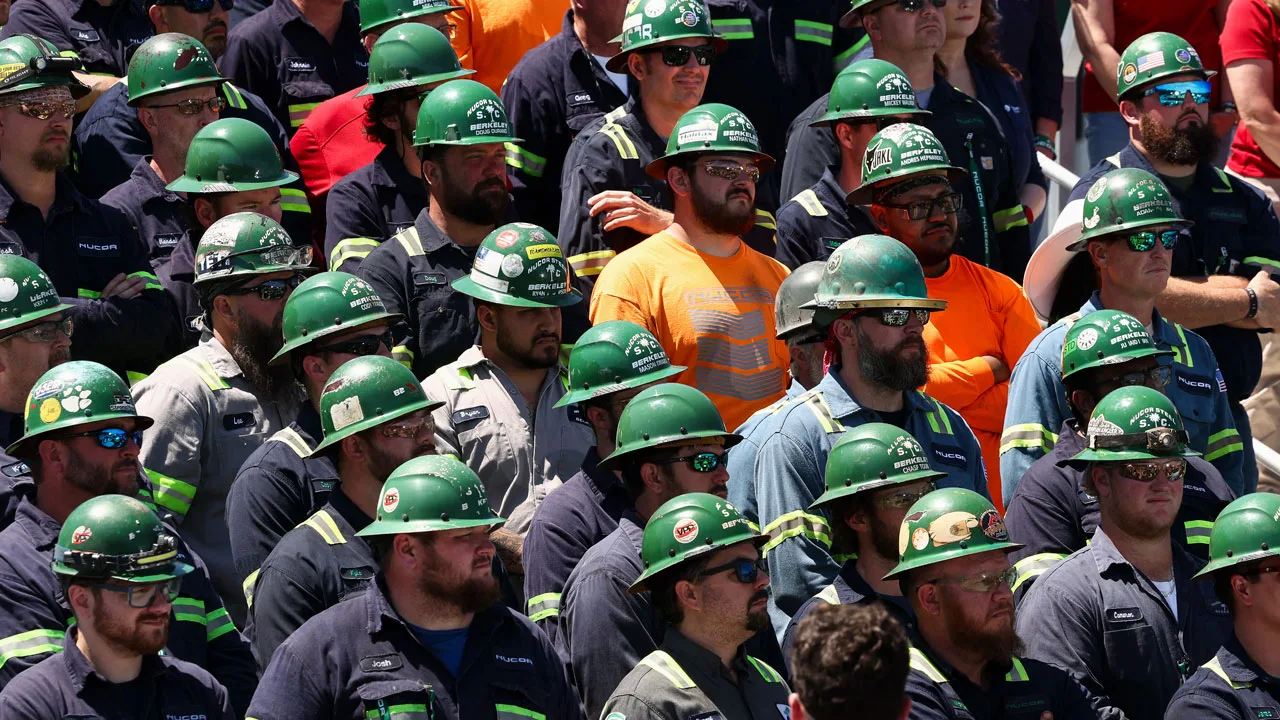
Tariffs on steel and aluminum, despite their intent to protect domestic industries, have not succeeded in rebuilding U.S. manufacturing capacity and have imposed significant costs across the broader economy. The current 50% tariff rate, implemented abruptly, has driven up prices for manufacturers who rely on these metals, affecting far more workers downstream than those employed in steel and aluminum production itself.
Efforts to reshape international trade behavior through tariffs have yielded results, nudging partners like the United Kingdom, India, and Japan toward more favorable agreements. However, using tariffs as a blunt instrument to reshore production overlooks the distinct challenges of reviving domestic steel and aluminum industries. Tariffs function as penalties—they deter imports but do nothing to build new facilities or expand capacity.

A more effective approach involves targeted incentives that offer clear rewards to companies willing to invest and build domestic plants. Such incentives, including phased tax credits limited to national security priorities, help offset the significant capital required for permitting, construction, and infrastructure, which typically take years to complete.
The impact on the broader manufacturing sector is considerable. For every steel industry worker, roughly 80 jobs depend on steel-using manufacturers; for aluminum, the ratio reaches 177 to one. Tariffs raise input costs for this vast workforce immediately, while any potential employment gains in steel mills emerge slowly and remain limited. Previous steel tariffs increased jobs marginally but led to overall job losses in manufacturing due to higher expenses.
In addition, domestic steel prices have doubled compared to international competitors, with some mill products seeing cost increases exceeding 20% year over year. These price hikes occur even when buying American, as protected domestic producers raise prices without competitive pressure from imports.
Building resilient domestic steel and aluminum sectors requires more than protectionism. It demands precise, temporary policy measures that encourage production development without burdening the larger economy or creating permanent subsidies for specific firms. Without this focus, tariffs risk inflicting avoidable harm on the industries they aim to protect.